




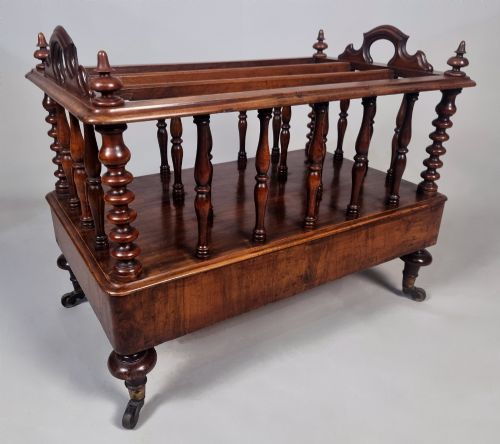
Antique Furniture Rack
An antique furniture rack brings practical order to halls and living spaces, gathering coats, magazines, and books into sturdy wooden and metal forms.
Antique Furniture Rack
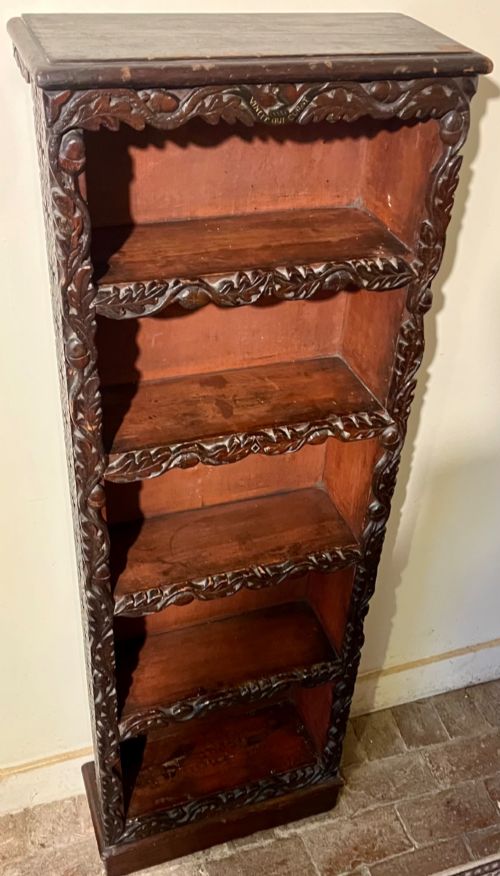
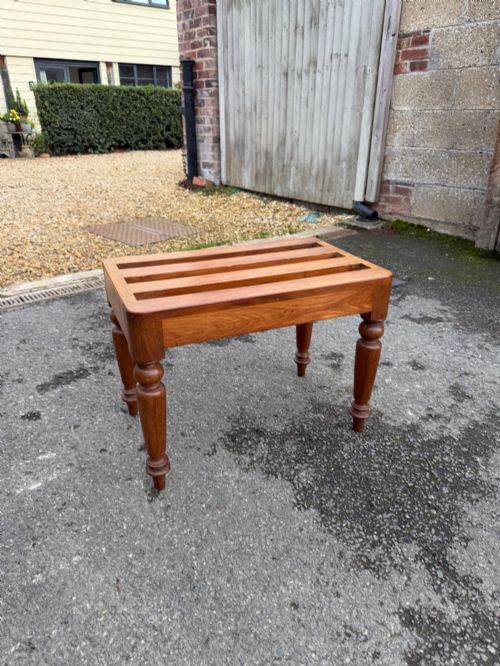
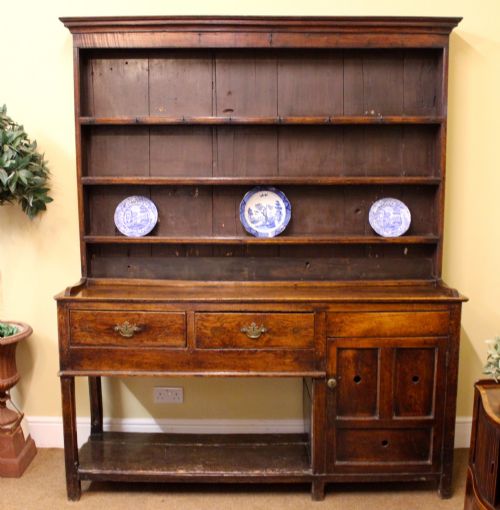
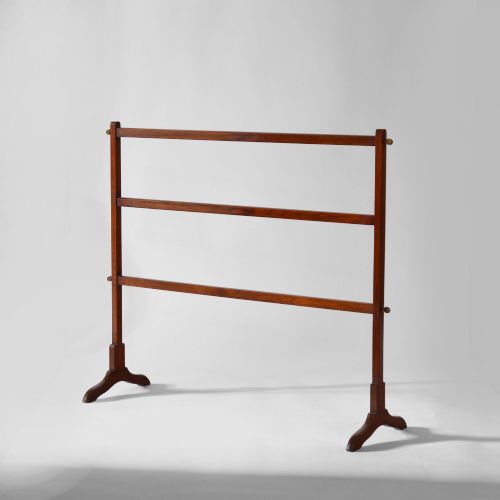
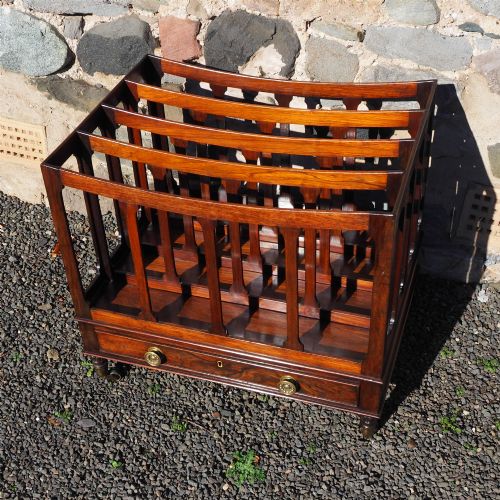
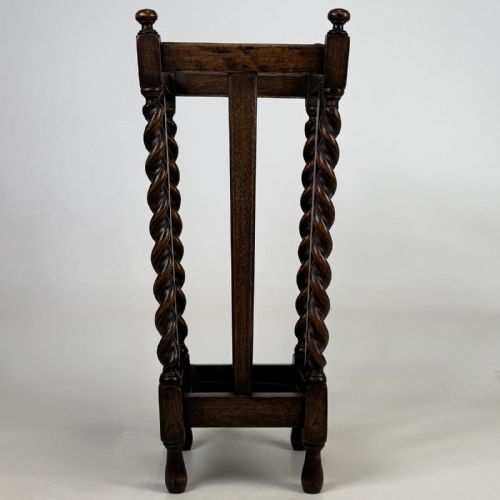
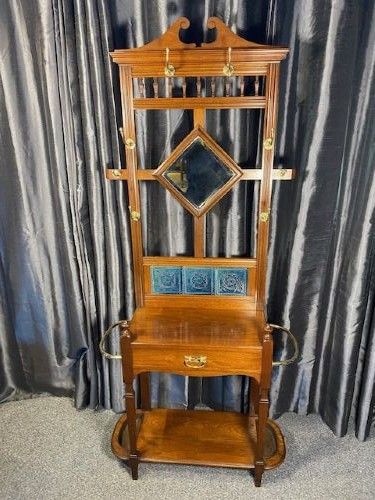
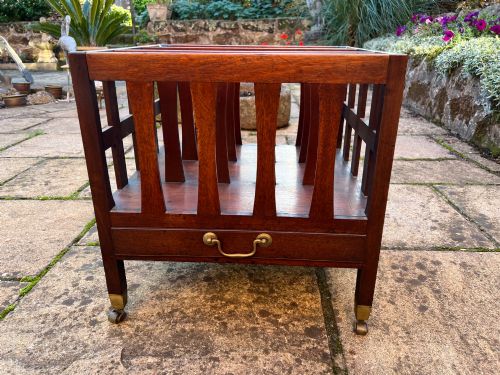
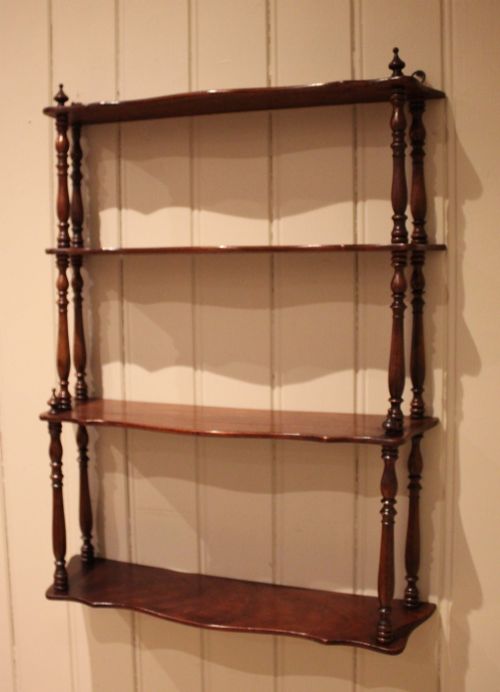
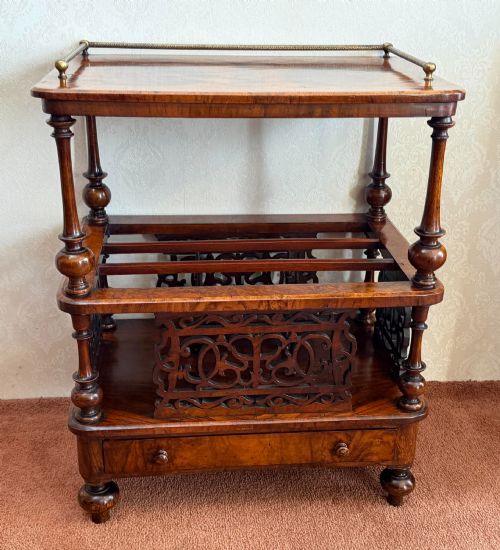
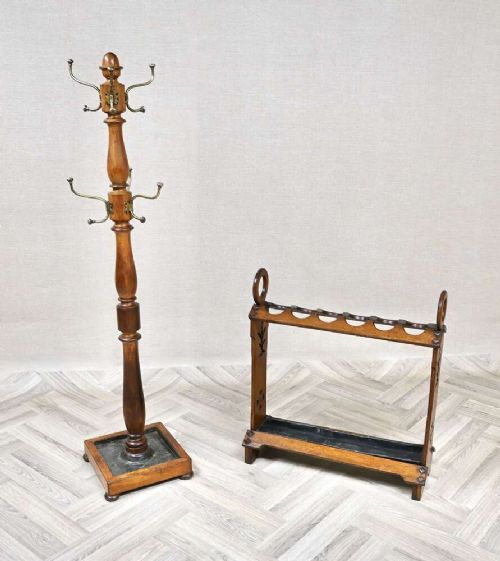
When searching for an antique furniture rack, collectors encounter a diverse group of domestic storage pieces that includes hall stands, umbrella stands, wall shelves, bookcases, towel rails, canterburys, and whatnots. These items served specific organisational roles in period homes, handling everything from damp coats and walking sticks in the hallway to sheet music and periodicals in the parlour.
The versions most frequently met on this page span the nineteenth century through the early twentieth century, taking distinct Victorian, Edwardian, Regency, and Arts and Crafts forms. Oak and mahogany dominate the selection, accompanied by walnut, burr walnut, brass, cast iron, and bamboo.
Makers and designers working in these styles ranged from large retail firms to specialised workshops, producing utilitarian pieces alongside highly decorative items. Buyers find everything from compact wall hanging shelves to tall revolving bookcases and substantial hall stands.
Materials and construction
Cabinetmakers and metalworkers utilised solid and veneered timbers such as oak, mahogany, rosewood, and burr walnut, often pairing them with brass galleries, hooks, and cast iron frames. Turning, carving, and slatted construction gave structural strength to items intended to bear the weight of heavy books, wet umbrellas, and garments.
Joinery methods varied according to the date and form, employing traditional dovetailing for drawers, mortise and tenon joints for frames, and steam bending for bentwood coat stands and bamboo framework. Surface finishes relied on polished wax or shellac to bring out the natural grain of figured walnut and oak.
Antique Furniture Rack Retail Price Guide 2026
Typical asking prices for furniture rack among the pieces listed under this phrase on Sellingantiques today, from the lower quarter to the upper quarter. They describe what is for sale here now, not the wider market.
Listings feature oak, mahogany, walnut, and burr walnut across Victorian, Edwardian, and Regency periods.
Distinguishing quality across the range
The standard of a piece rests upon the selection of timber, such as highly figured burr walnut or substantial solid oak, alongside the crispness of hand-carved details and decorative mouldings. Superior examples display thoughtful integration of functional hardware like brass rails and robust umbrella drip pans.
Originality of components marks the division between ordinary items and finer survivals, noting whether hooks, brass galleries, and castors remain intact. Construction integrity, seen in tight joints and well-balanced proportions, dictates how successfully a rack endures daily domestic use.
Dubois of Lyon·Finnigans·Liberty Design
The Antique Furniture Rack Glossary
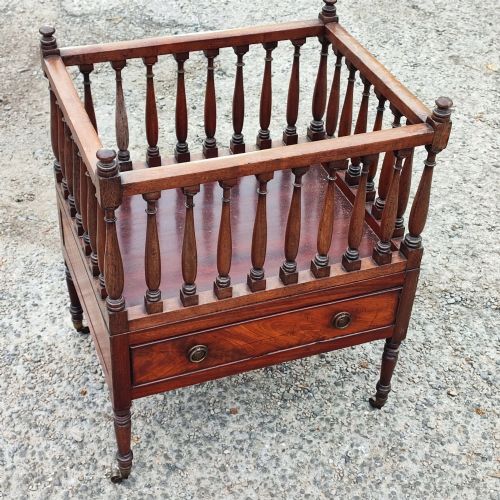
- Canterbury
- A low piece of furniture with slatted or partitioned sections designed to hold sheet music, magazines, or books. They often feature small carrying handles and sit on castors.
- Whatnot
- An open set of cascading shelves used for displaying ornaments and books. These multi-tiered stands date predominantly from the nineteenth century.
- Hall stand
- A tall hallway furniture piece combining coat hooks, a mirror, umbrella receptacles, and sometimes a small glove drawer or bench seat. They organise outerwear near the entrance.
- Gallery
- A raised decorative border, usually made of pierced or turned brass, running along the edge of a shelf or tabletop to stop items from sliding off.
- Japonisme
- A nineteenth-century artistic style influenced by Japanese art and design, seen in bamboo-turned woodwork and exotic decorative motifs.
Antique Furniture Rack: Frequently Asked Questions
What is an antique furniture rack used for?
These pieces served multiple domestic purposes depending on their specific form, from holding wet umbrellas and coats in an entrance hall to displaying books and magazines in a sitting room.
Owners relied on them to keep everyday items organised and accessible within busy period households.
How do I identify a Victorian hall stand?
Victorian hall stands typically feature dark timbers like oak, mahogany, or walnut, often enhanced by heavy carvings, central mirrors, and cast iron umbrella wells.
They display the robust proportions and ornamental details characteristic of nineteenth-century design.
Where should I place a wall shelf rack?
Small wall-hanging shelf racks work well in compact spaces like kitchens, studies, or hallways where floor area is limited.
They provide convenient display or storage surface without crowding the room.