



Antique Furniture Divider
These pieces sold as antique furniture divider options span folding screens and canterburys, bringing period craft and clever room division into domestic spaces.
Antique Furniture Divider
When buyers search for an antique furniture divider, they encounter a diverse selection of period items designed to partition rooms or organise domestic media. The inventory on this page ranges from multi-panel folding nursery screens and painted Chinoiserie dividers to freestanding canterburys and magazine racks.
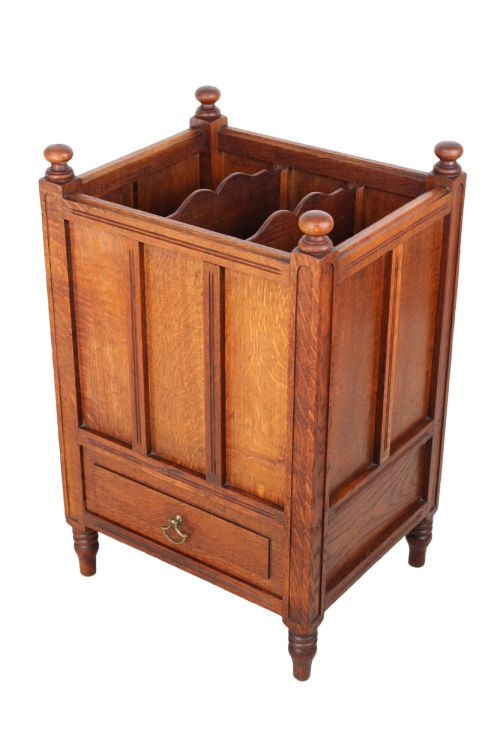
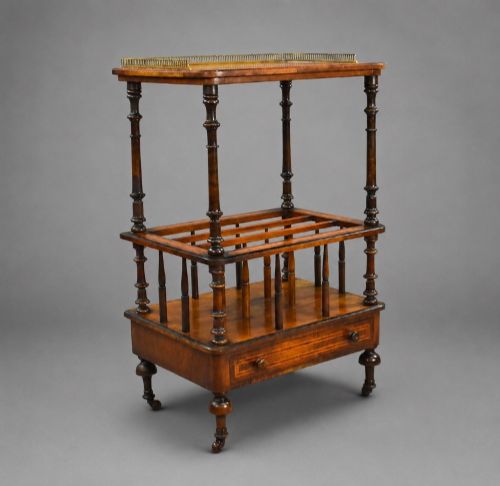
The version a buyer is most likely to meet here is the Victorian or 19th-century canterbury, often fashioned in burr walnut, mahogany, or rosewood. These pieces typically feature partitioned sections for sheet music or periodicals, sometimes incorporating drawers or whatnots.
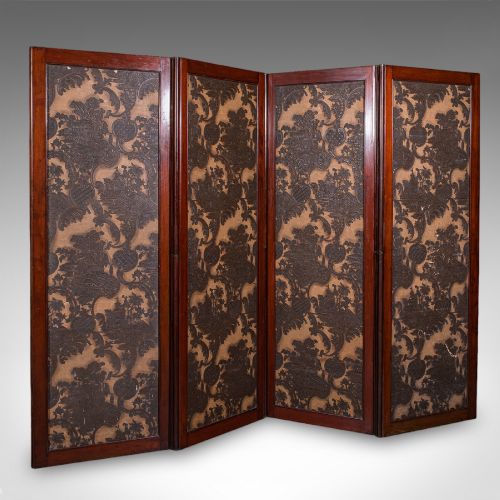
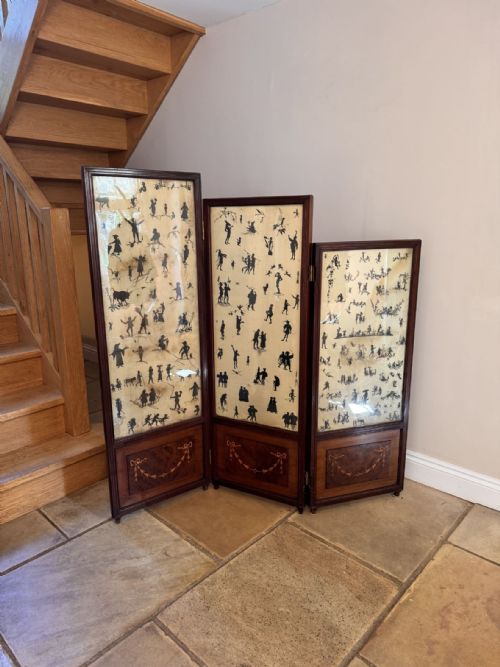
Folding screens also feature prominently, appearing as bamboo, inlaid mahogany, or painted six-panel room dividers from the Victorian and Edwardian eras. Each form serves a distinct domestic function, whether compartmentalising a parlour or holding reading materials beside a fireplace.
How these dividers were made
Cabinet makers utilised select timbers such as mahogany, burr walnut, rosewood, oak, and ebonised wood to build these pieces, often enhancing surfaces with intricate inlaid wood. Brass fittings and carved details, such as Prince of Wales feathers, appear across Regency and Victorian examples.
Screens relied on fabric panels, painted paper, or bamboo frameworks to create lightweight partitions that could be easily folded and repositioned. Canterburys combined turned wooden spindles, slatted divisions, and dovetailed drawers constructed by hand.
Antique Furniture Divider Retail Price Guide 2026
Typical asking prices for furniture divider among the pieces listed under this phrase on Sellingantiques today, from the lower quarter to the upper quarter. They describe what is for sale here now, not the wider market.
Listings feature pieces spanning the Regency, Victorian, and Edwardian periods, constructed in mahogany, burr walnut, rosewood, and oak.
What varies in quality
The distinction between standard examples and top-tier pieces rests on the choice of veneer, such as richly figured burr walnut or select mahogany, matched with refined inlay work. Finer construction shows in the crispness of turned spindles, the execution of carved wooden details, and the integrity of joints on freestanding frames.
Surface finish and material selection dictate overall presence, with superior items displaying deep timber patination and robust brass hardware. Painted screens and Chinoiserie panels separate themselves through the detail and preservation of the artwork across multiple hinged leaves.
Gillows of Lancaster
The Antique Furniture Divider Glossary
- Canterbury
- A low wooden stand fitted with upright partitions for holding sheet music, folios, or magazines, often featuring a low drawer beneath.
- Whatnot
- A set of open display shelves supported by slender pillars, frequently combined with a canterbury or cabinet base.
- Chinoiserie
- European imitation and adaptation of Chinese artistic styles and motifs, commonly seen on painted room dividers.
- Inlaid wood
- Decorative technique where contrasting pieces of wood or other materials are inserted into a recessed surface to form designs.
- Rosewood
- A dense, heavily grained dark timber prized during the Regency and Victorian periods for cabinet making.
Antique Furniture Divider: Frequently Asked Questions
What is the difference between a canterbury and a room divider?
A canterbury is a compact stand with slatted partitions designed to hold music sheets and books near a seat or table. A room divider, such as a folding screen, is a tall multi-panel structure used to partition space or block drafts in a room.
While both fall under divider searches, they serve entirely different functional purposes within a period interior scheme.
Where were canterburys placed in a Victorian home?
Victorian canterburys typically sat in sitting rooms, parlours, or music rooms positioned beside pianofortes or seating areas. They kept scores, magazines, and folios close at hand for evening entertainment.
Their freestanding nature allowed owners to move them easily across carpets as room layouts shifted.
How do I care for a burr walnut canterbury?
Burr walnut requires gentle cleaning with a soft, dry cloth to remove dust without harming the delicate grain and veneer. Avoid placing the timber in direct sunlight or near heat sources to prevent warping and fading.
Periodic application of a suitable wax polish helps maintain the natural lustre of the polished wood surface.
Can folding screens support themselves on carpets?
Multi-panel folding screens use hinged joints that allow the leaves to be angled in a zig-zag configuration for stability. This arrangement lets the structure stand securely on both wooden floors and thick carpets.
Adjusting the panel angles controls the footprint and overall width of the divider.