

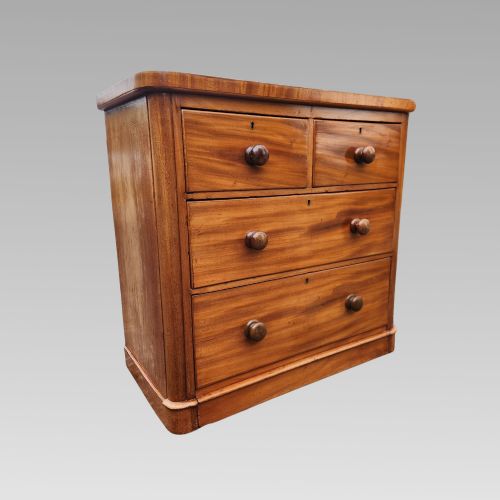
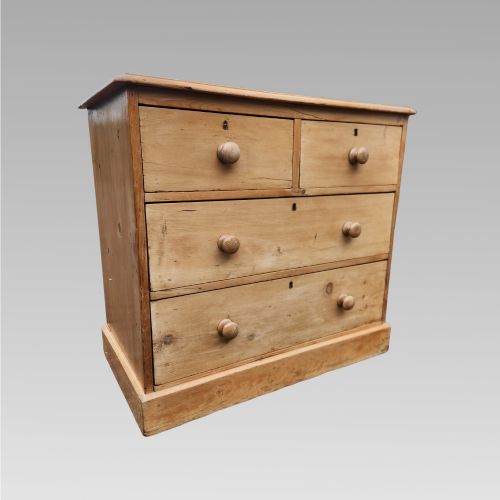
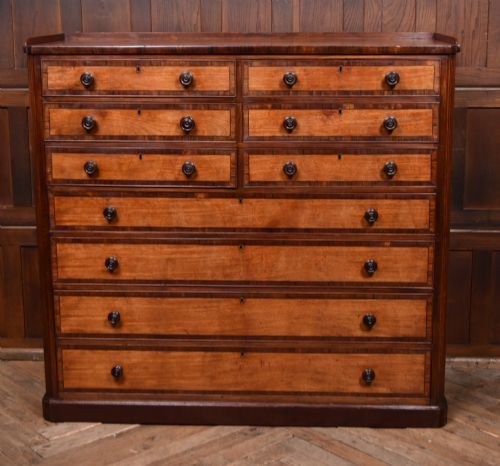
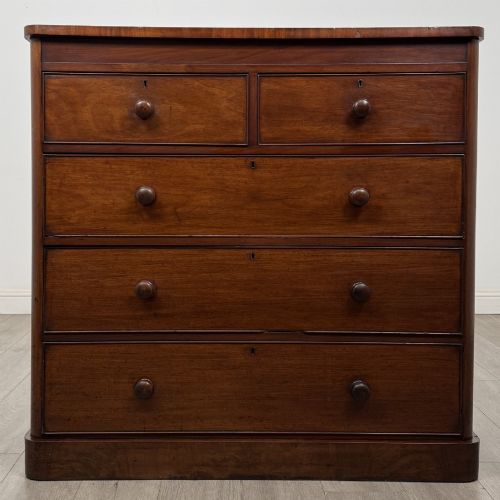
Antique Furniture Bureau
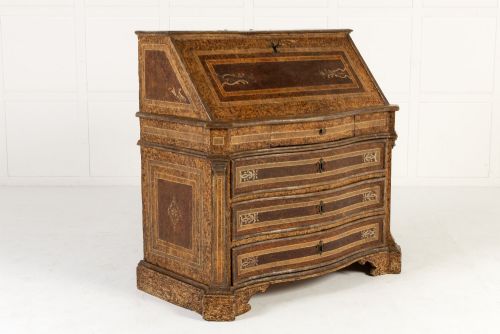
An antique furniture bureau combines a practical writing surface with concealed compartments, offering a classic writing space that suits traditional and modern interiors alike.
Antique Furniture Bureau
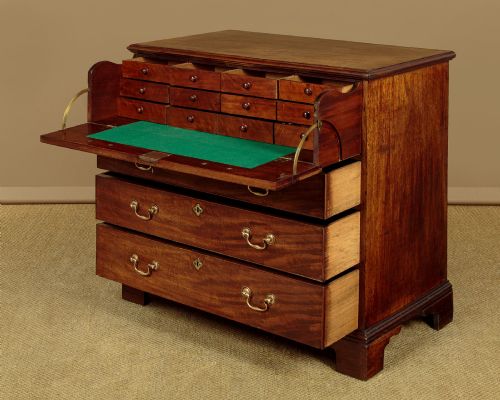
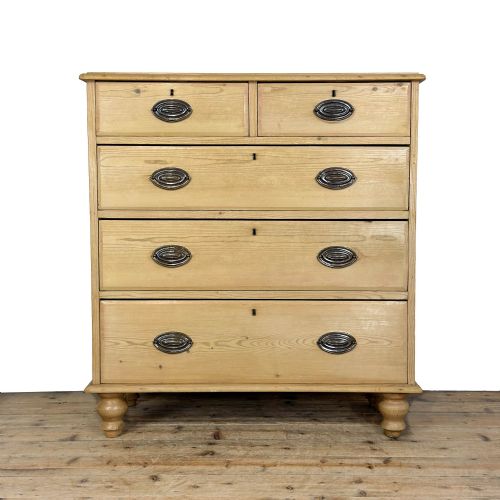
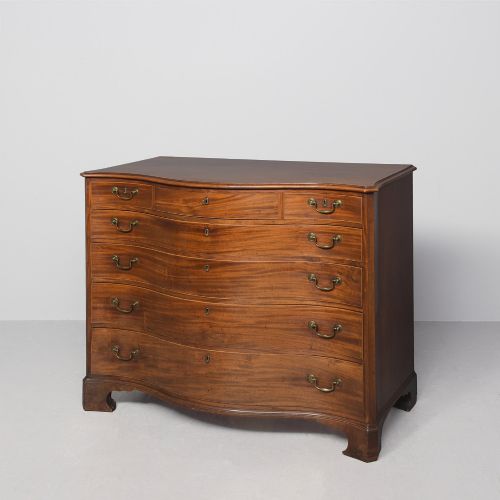
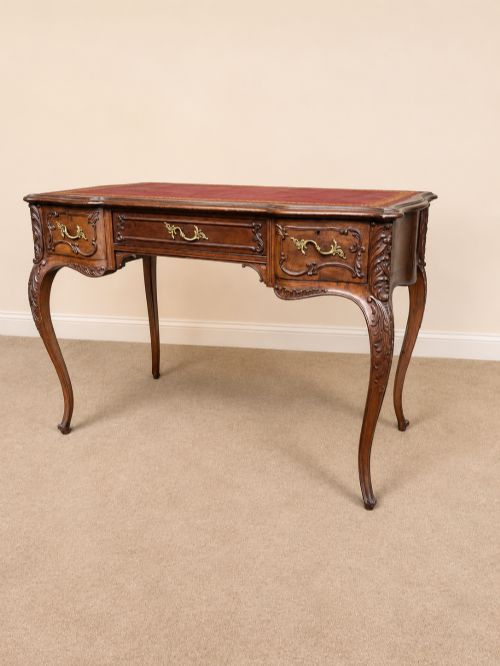
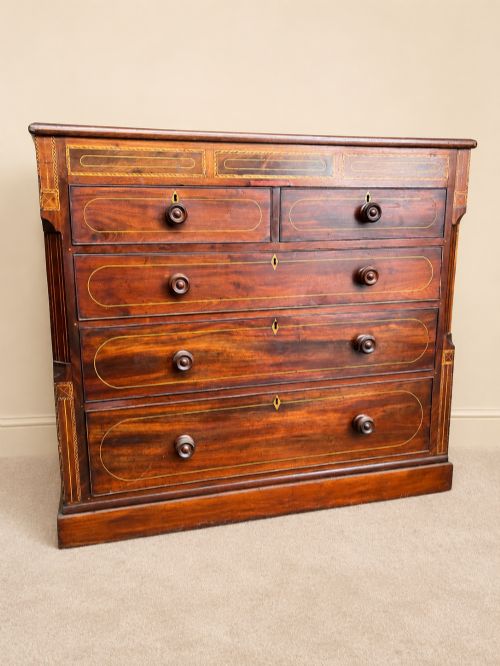
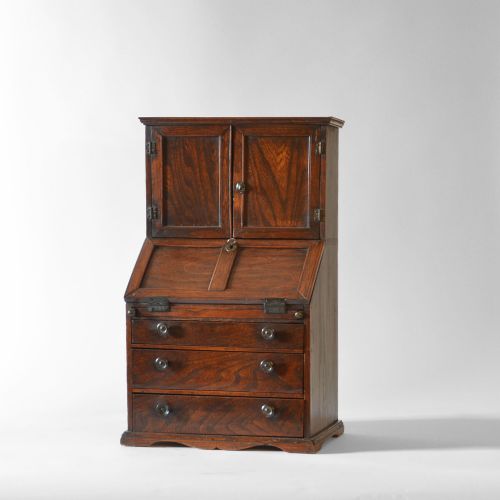
When you search for antique furniture bureau, you encounter writing desks with sloping lids, drop-front secretaires, and cabinetry integrating fitted interiors with drawers. These forms span several centuries, encompassing modest Edwardian oak examples alongside substantial Georgian and Continental walnut specimens.
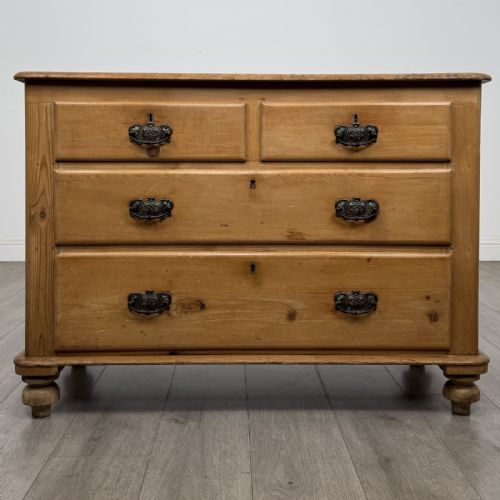
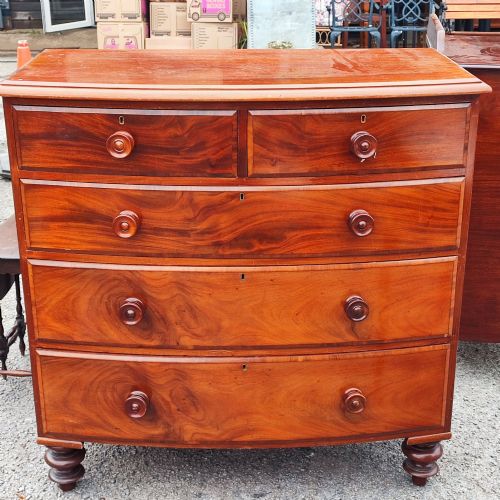
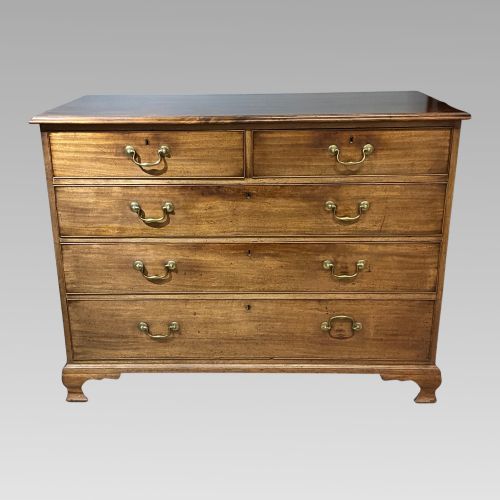
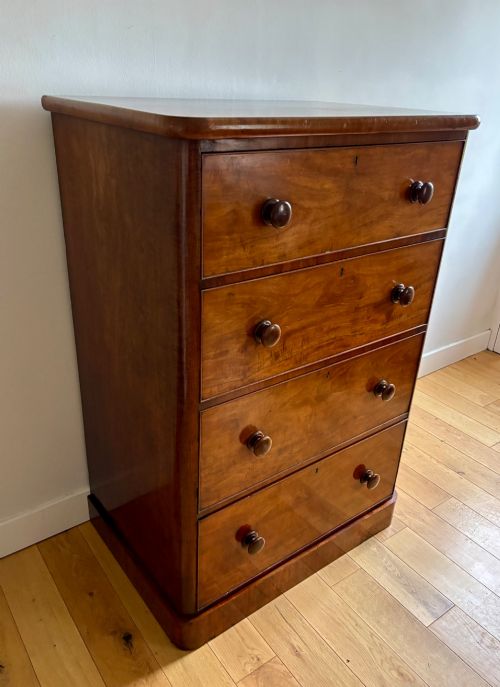
The selection on this page ranges from compact writing tables to large bureau bookcases and cabinet pieces. Oak and mahogany predominate in British iterations, whilst walnut and exotic veneers characterise Continental examples from the eighteenth and nineteenth centuries.
How they were made
Cabinetmakers utilised solid timbers alongside figured veneers such as mahogany, walnut, and burr walnut, often laid over secondary woods. Construction relied on traditional joinery techniques, dovetailing drawer carcases and mounting fall fronts on sturdy hinges or support lopers.
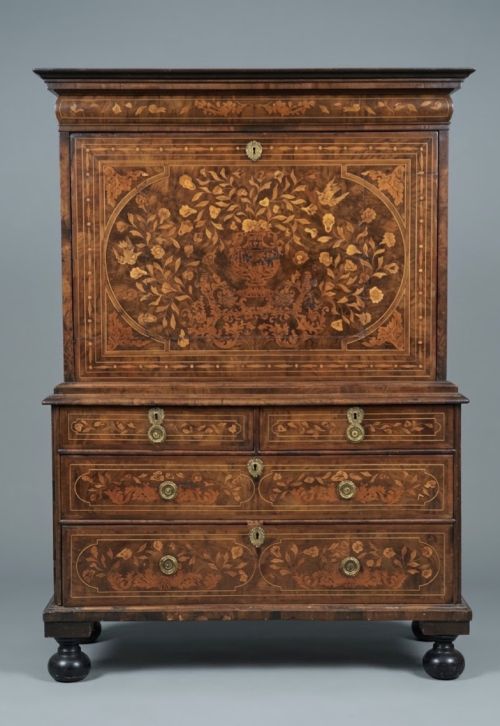
Surface decoration frequently involved marquetry inlay, parquetry, and crossbanding, complemented by cast brass handles and key escutcheons. Interior compartments required intricate woodworking to create miniature drawers, pigeonholes, and secret sliding panels.
Antique Furniture Bureau Retail Price Guide 2026
Typical asking prices for furniture bureau among the pieces listed under this phrase on Sellingantiques today, from the lower quarter to the upper quarter. They describe what is for sale here now, not the wider market.
Many antique bureaux harbour tiny secret compartments hidden behind sliding pigeonhole floors, built precisely for stashing clandestine love letters and hidden coins.
What varies in quality
The caliber of a bureau rests upon the selection of timber veneers and the precision of the marquetry or parquetry work. Finely figured grain patterns aligned across drawer fronts indicate superior material choice by the maker.
Interior execution distinguishes finer pieces from standard production, as complex fitted compartments with multiple secret drawers demand advanced craftsmanship. Original hardware, including cast brass handles and functioning locks with matching keys, elevates the integrity of the piece.
The Antique Furniture Bureau Glossary
- Bureau
- A desk featuring a sloping hinged lid that drops down to reveal a fitted writing interior with pigeonholes and small drawers. This form evolved during the late seventeenth century and remains central to antique writing furniture.
- Secretaire
- A cabinet or chest of drawers containing a concealed writing drawer with a drop-front panel. It provides a writing surface without the full sloping desk body.
- Marquetry
- Decorative veneer work forming pictorial or geometric patterns using various coloured woods and natural materials. Craftsmen cut these elements precisely to fit flush into the primary surface.
- Crossbanding
- A border veneer applied around the edges of a panel or drawer front where the grain runs perpendicular to the central wood. This technique creates a distinct framing effect characteristic of quality cabinetmaking.
- Burl walnut
- Wood harvested from the growths on walnut trees, displaying complex, swirling grain patterns. It was sliced into fine veneers and prized for high-status eighteenth-century furniture.
Antique Furniture Bureau: Frequently Asked Questions
How do I use an antique bureau today?
An antique bureau functions well as a compact home workstation, offering a concealed fold-down writing surface for laptops and correspondence. When closed, it stores away modern clutter to maintain a traditional room aesthetic.
The interior pigeonholes and small drawers suit the organisation of stationery, notes, and small personal items. Many examples fit easily into living rooms, hallways, or bedrooms where a full-sized desk proves too large.
How do I tell an 18th-century bureau from a later copy?
Eighteenth-century bureaux display hand-cut dovetails on the drawer carcases, irregular timber thicknesses, and signs of hand-planing on secondary woods like oak or pine. The timber grain exhibits natural ageing and patination developed over centuries of use.
Later revival pieces often show uniform machine sawing, standardised modern screws, and highly regular veneer patterns without authentic wear. Examining the construction of the interior pigeonholes and drawer linings reveals the age and hand methods of the maker.
How should I care for walnut veneer furniture?
Walnut veneer surfaces require protection from direct sunlight and extreme temperature fluctuations to prevent the wood from drying and splitting. Maintaining stable indoor humidity preserves the old animal glues beneath the delicate veneers.
Cleaning should involve only a soft, dry cloth to remove dust, avoiding modern silicone polishes that damage antique finishes. Occasional application of quality beeswax feeds the wood and maintains its natural lustre.