
Antique Furniture Book
These antique furniture book pieces, spanning open bookcases, revolving designs, and whatnots, offer practical storage for a library.
Antique Furniture Book
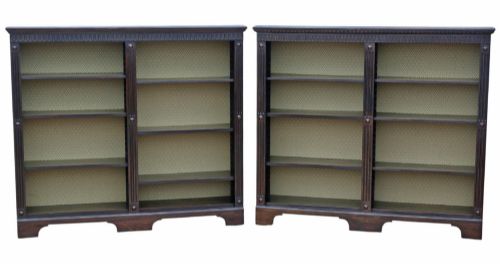
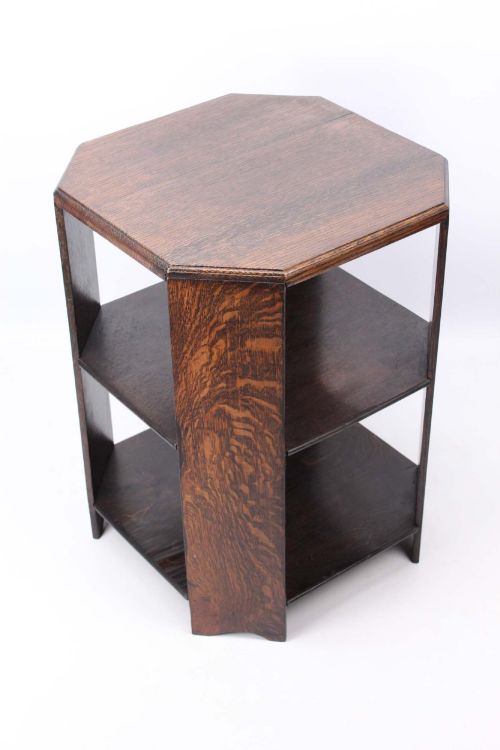
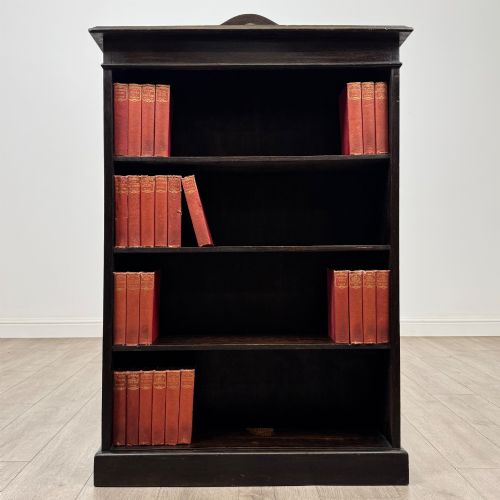
An antique furniture book search brings up a variety of bookcases, revolving bookcases, and whatnots designed to hold volumes. The selection relies heavily on pieces from the Edwardian period and the nineteenth century.
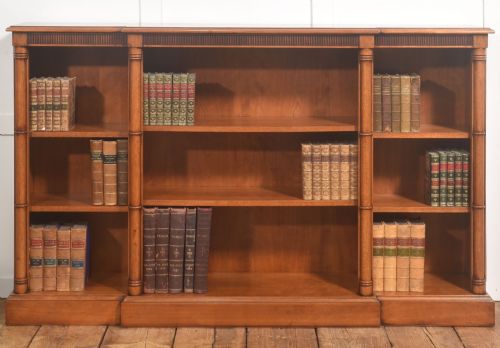
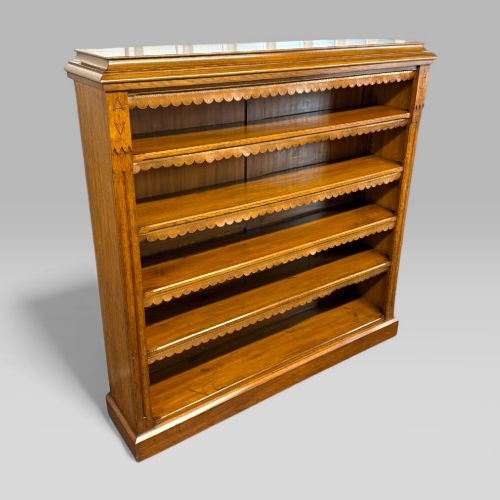
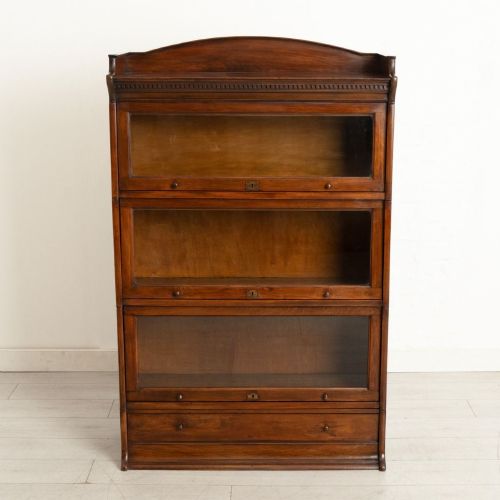
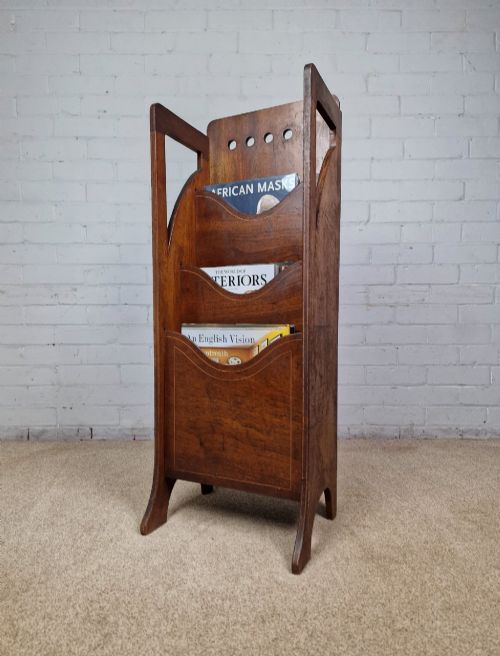
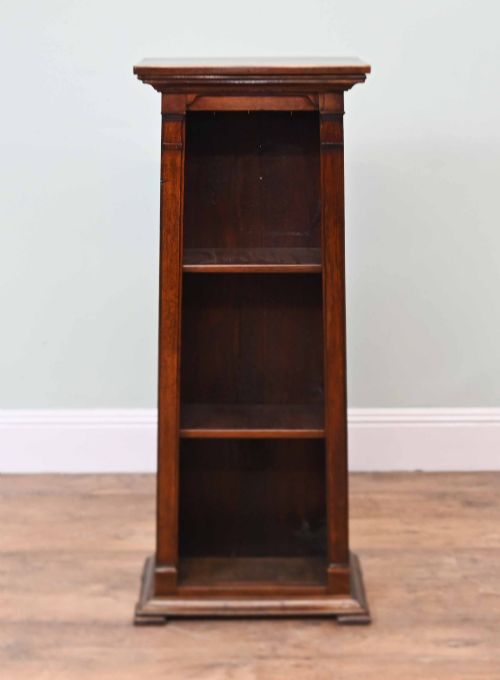
Buyers will encounter open bookcases in oak and mahogany alongside revolving models and tiered whatnots. These forms originate from Georgian, Regency, Victorian, and Arts and Crafts eras.
The objects serve the same purpose today as they did originally, organising books and display items in domestic rooms. Most examples date from the late nineteenth and early twentieth centuries.
How They Were Made
Cabinet makers built these pieces using timbers like mahogany, oak, rosewood, and walnut. Many Edwardian examples feature inlaid details on mahogany or satinwood.
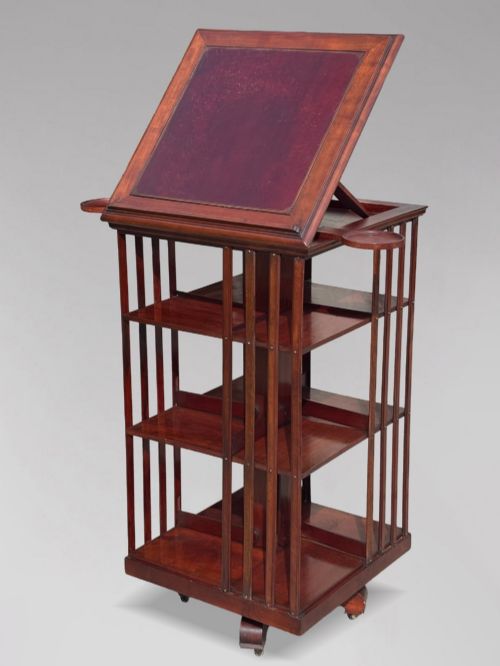
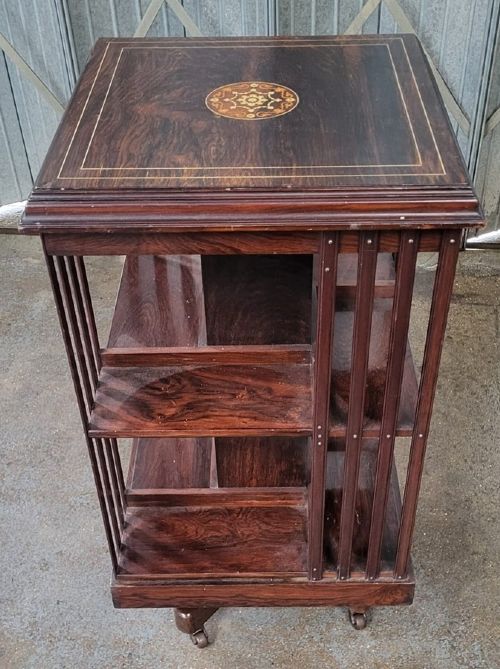
Revolving bookcases rely on internal mechanisms of cast iron and brass to turn smoothly. Glazed cabinets incorporate glass doors, while structural elements utilise solid timber and veneers.
Listings feature oak, mahogany, rosewood, walnut, satinwood, and bamboo across Edwardian, Victorian, Regency, and Georgian periods.
What Varies in Quality
The selection of timber dictates the visual weight of a bookcase, with figured mahogany and burr walnut sitting at a different level than plain oak. Inlay work ranges from simple stringing to complex floral motifs.
Structural execution separates utilitarian pieces from finer library furniture. Smooth movement in revolving stands and tight joinery in tiered whatnots distinguish the better examples.
The Antique Furniture Book Glossary
- Whatnot
- An open set of tiered shelves used for displaying books and ornaments. These pieces date across the nineteenth century.
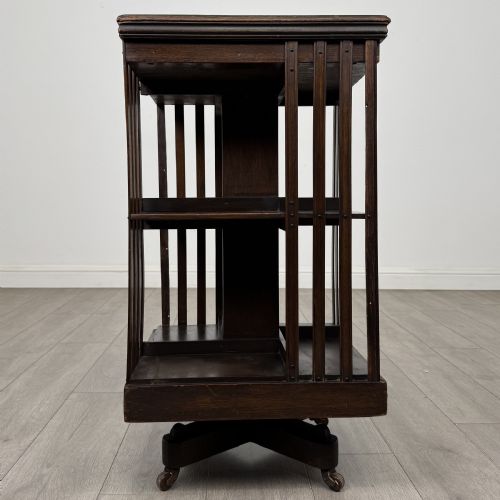
- Revolving Bookcase
- A low, freestanding bookcase built on a rotating base for tabletop or floor use. They are common in Edwardian interiors.
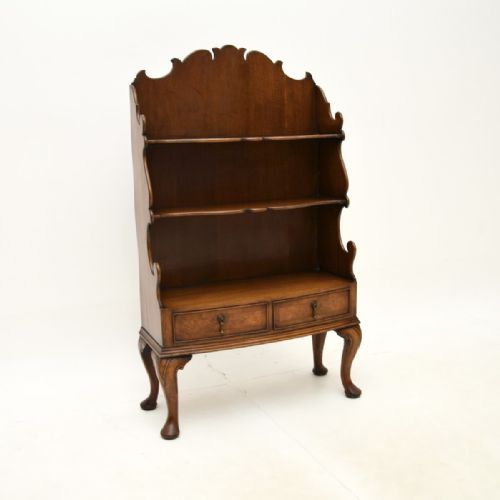
- Waterfall Bookcase
- A set of shelves with sides that step back progressively from bottom to top. Regency examples show this form clearly.
- Étagère
- A French term for a piece of furniture with open shelves for small objects. They appear alongside nineteenth century whatnots.
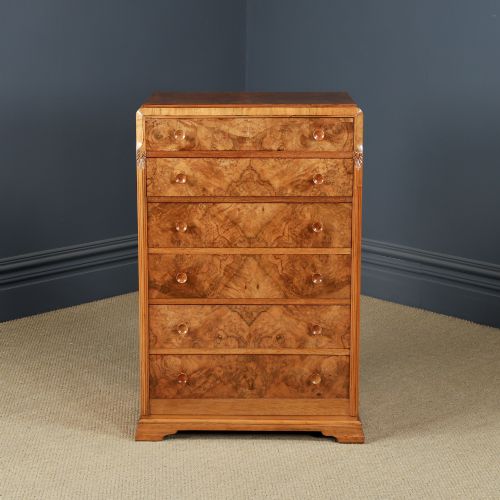
- Tallboy
- A tall chest of drawers, sometimes associated with desk or bookcase combinations. They provide vertical storage in domestic settings.
Antique Furniture Book: Frequently Asked Questions
What is an antique revolving bookcase?
A revolving bookcase is a compact piece of furniture designed to sit on a floor or table and turn on a central axis. This mechanism allows easy access to a collection of volumes from a single seated position.
Most examples encountered date from the Edwardian period and utilise timbers such as mahogany or oak. They suit studies and smaller rooms where floor space is limited.
How do I identify a Victorian bookcase?
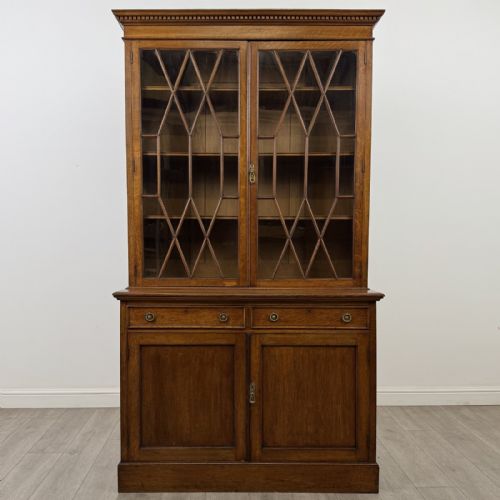
Victorian bookcases typically feature heavier proportions and darker timbers like rosewood or mahogany. They often incorporate glazed doors and adjustable shelving for larger library volumes.
Production dates span the mid to late nineteenth century, reflecting the architectural tastes of the period. Construction relies on solid woods and substantial brass hardware.
What is the difference between a whatnot and a bookcase?
A whatnot is an open piece of furniture with multiple tiers supported by slender uprights, meant for displaying books and decorative objects. Bookcases usually feature enclosed sides and dedicated shelving designed specifically for book storage.
Both forms appear frequently in nineteenth century and Edwardian interiors. Whatnots offer a lighter profile for general display rather than heavy library storage.
Where should I place a revolving bookcase?
Revolving bookcases work best beside an armchair or desk where books need to be within arm's reach. Their design lets them stand away from walls because access is possible from all sides.
Keep them away from direct heat sources and strong sunlight to protect the polish on the mahogany or oak surfaces.