





Antique Fuel Container
An antique fuel container brings practical hearth storage into a room, offering robust metal buckets and wood boxes designed to hold coal or logs.
Antique Fuel Container
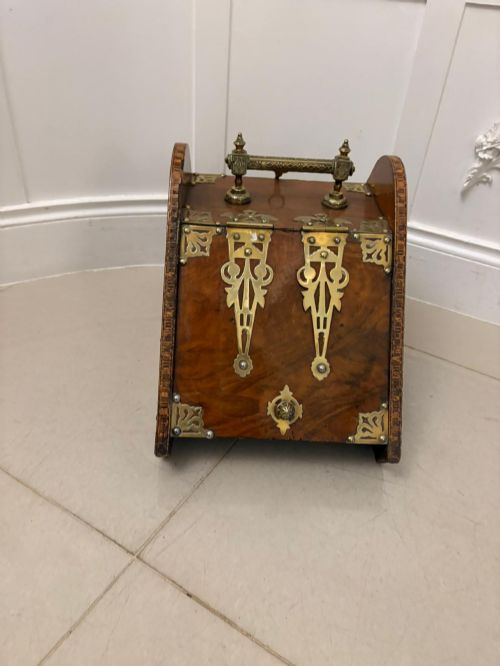
An antique fuel container encompasses fireside storage items such as coal scuttles, log boxes, bins, and buckets designed to keep solid fuel near a fireplace. These domestic accessories range from utilitarian metal vessels to heavily decorated household items intended to sit in a Victorian or Edwardian parlour.
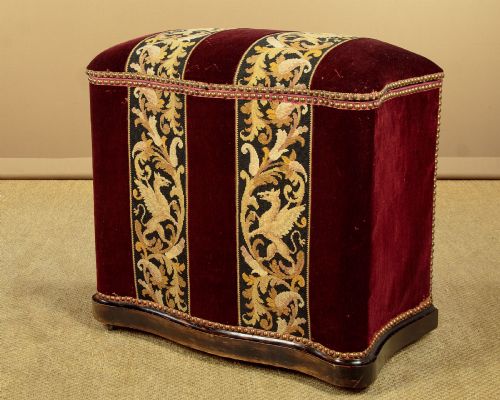
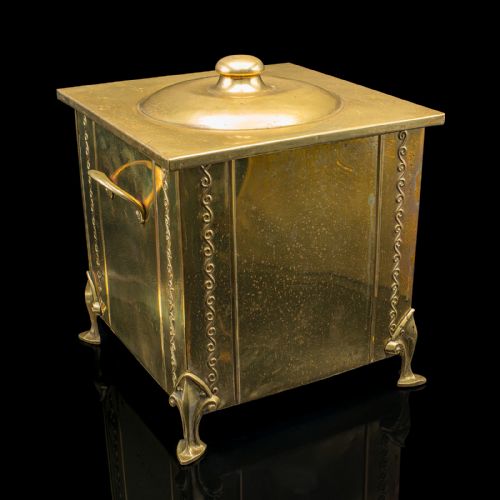
Makers and origins vary across the selection, featuring English and French designs alongside specific pieces by known firms like Benham & Froud and Petrus Ramus. Formats include lidded bins, riveted buckets, and upholstered ottomans that double as concealed log storage.
How they were made
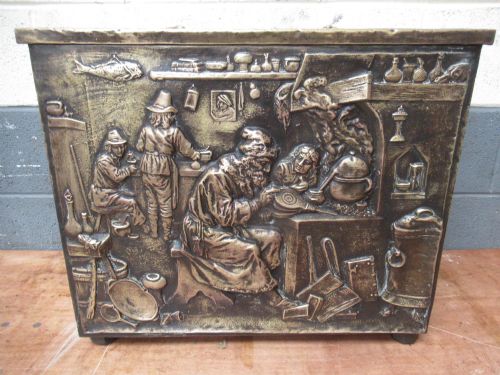
Metal fuel containers utilise sheet brass and copper, frequently joined by hand-riveting or shaped through embossing to create patterned surfaces on buckets and scuttles. Iron and wrought iron components often provide structural support or handles for heavier copper and brass bodies.
Wooden log boxes and coal scuttles employ cabinetmaking timbers such as walnut, oak, and mahogany, sometimes finished with carving, inlay, or brass mounts. Upholstered ottomans designed for fuel storage combine wooden frames with textile coverings like velvet and tapestry.
Antique Fuel Container Retail Price Guide 2026
Typical asking prices for fuel container among the pieces listed under this phrase on Sellingantiques today, from the lower quarter to the upper quarter. They describe what is for sale here now, not the wider market.
Listings feature nineteenth-century and early twentieth-century periods, incorporating Victorian and Edwardian examples alongside Arts and Crafts and Art Nouveau designs.
What varies in quality
Quality in metal fuel containers rests on the thickness of the brass or copper sheet and the execution of hand-applied decoration, such as crisp embossing or secure riveted joints. Substantial gauge metal and robust iron handles distinguish sturdier utilitarian vessels from lighter decorative pieces.
For wooden boxes and ottomans, the grade of timber and the precision of joinery, carving, or inlay separate standard production items from finer fitted fireside furniture. The integration of metal linings and original brass mounts also influences the overall integrity of the piece.
Benham & Froud·Petrus Ramus
The Antique Fuel Container Glossary
- Coal scuttle
- A container specifically designed for holding coal, usually featuring a sloping body and a handle for carrying fuel to the grate.
- Perdonium
- A type of coal scuttle or box featuring a sloping front door that drops forward to release fuel when opened.
- Embossing
- A metalworking technique where a design is raised from the reverse side using hammers and punches to create relief patterns.
- Riveted
- Joined together using metal pins whose ends are flattened after insertion, commonly seen on heavy copper and brass buckets.
- Arts and Crafts
- A design movement prioritising traditional craftsmanship and visible construction methods over mass-produced ornamentation.
Antique Fuel Container: Frequently Asked Questions
What is an antique fuel container?
An antique fuel container is a fireside vessel designed to hold solid fuel such as coal or wood logs near a fireplace. These items include metal buckets, lidded bins, and wooden boxes produced during the nineteenth and early twentieth centuries.
They combine practical utility with decorative appeal, reflecting the prevailing design styles of periods like the Victorian and Edwardian eras. Many incorporate materials like brass, copper, oak, and walnut to complement period interiors.
How were metal coal buckets constructed?
Metal coal buckets were typically fabricated from sheet brass or copper, shaped by hand or machine, and joined using rivets or solder. Iron fittings and sturdy handles were often added to support the heavy weight of coal.
Craftsmen frequently employed techniques like embossing to decorate the outer surfaces with floral or geometric patterns. These methods ensured the containers could withstand daily fireside use while remaining visually striking.
Where should I place a log box?
A log box or fuel bin is traditionally positioned directly beside the fireplace or hearth for convenient access to firewood and coal. Their decorative finishes allow them to sit openly within a living room or parlour without disrupting the decor.
Larger upholstered ottoman styles can also double as seating while keeping logs neatly concealed inside. Positioning depends on the scale of the piece and the layout of the hearth area.
How do I identify an Edwardian fuel box?
Edwardian fuel boxes often feature lighter timbers such as mahogany and oak, frequently enhanced with subtle wood inlay rather than heavy carving. Their design tends to reflect cleaner lines influenced by the lingering Arts and Crafts movement.
In contrast, earlier Victorian pieces frequently utilise darker walnut, heavier brass mounts, and more exuberant embossed decoration. Comparing the timber species and decorative motifs helps narrow down the period of manufacture.