


Antique Fret Frame Mirror
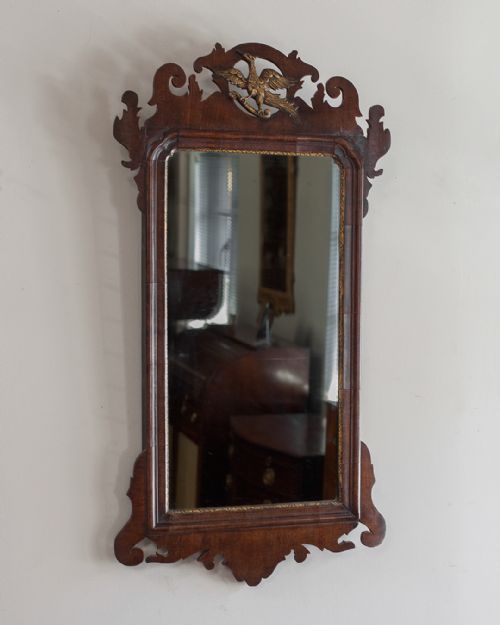
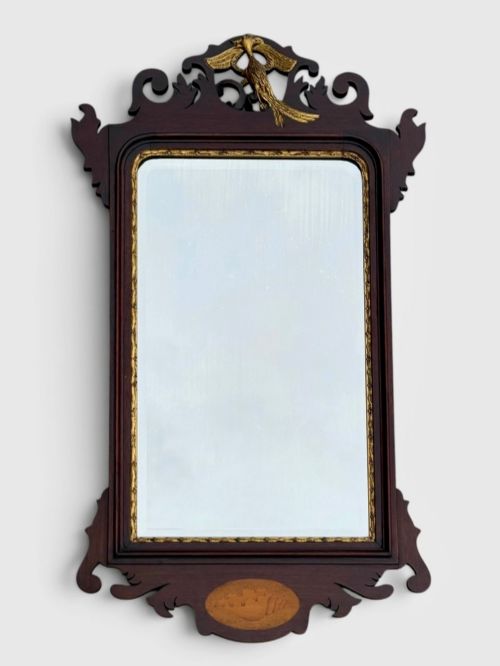
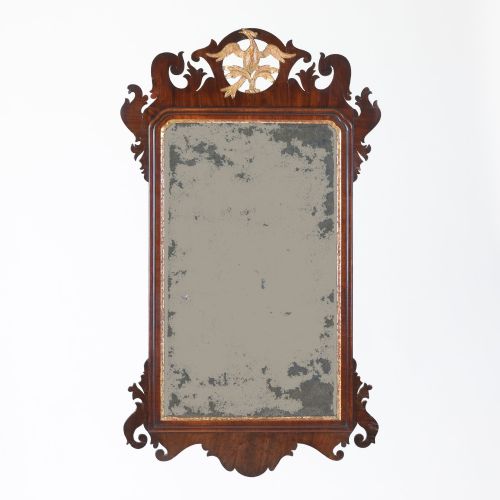
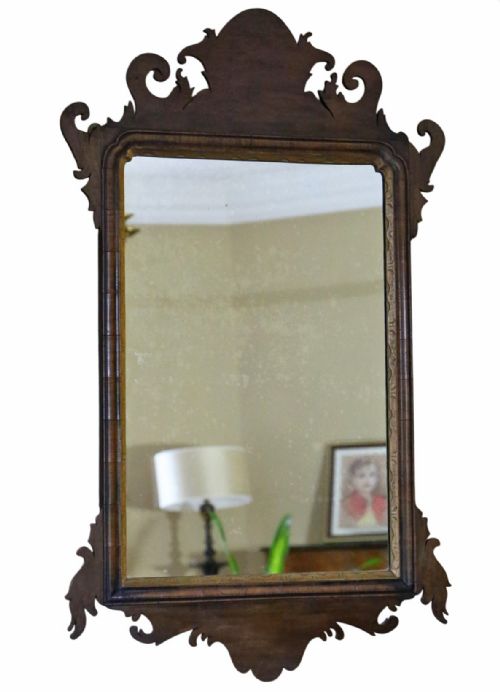
These antique fret frame mirror examples are delicate wall hangings defined by intricate pierced woodwork, prized for bringing light and classic proportion into traditional spaces.
Antique Fret Frame Mirror
When you search for an antique fret frame mirror, you are looking at wall-hung looking glasses enclosed in pierced wooden frames shaped by a fretsaw. These pieces span the eighteenth century up through Edwardian and later revival periods, bringing centuries of cabinet-making tradition straight to your wall.
You will also encounter Edwardian interpretations incorporating satinwood inlay and paler woods, alongside pieces originating from nineteen hundred and nineteen-twenty revivals. These later examples capture the older eighteenth-century aesthetic while offering alternative timber tones for modern interiors.
How they were made
The foundational structure relies on dense timbers like mahogany and walnut, selected for their stability under intricate fret-cutting. Craftsmen used a fine fretsaw to pierce the thin wooden boards, creating the distinctive scrollwork and symmetrical outlines seen along the outer borders.
Surface decoration frequently combines traditional polishing with applied giltwood elements, particularly on the crests, ears, and innerbezels. Early pieces utilised specialist mirror glass such as Vauxhall plates, while later revivals integrated detailed wood inlay and satinwood banding to enhance the decorative scheme.
Listings feature periods spanning the eighteenth century, Georgian, Edwardian, nineteen hundred, nineteen-twenty, and eighteen hundred.
What varies in quality
The sharpness and depth of the fret-cut piercing separate finer examples from simpler production. Superior pieces display crisp, confident scrollwork where the silhouette remains balanced and precise, whereas lesser items can present blunt edges and thicker, clunkier timber profiles.
The choice of primary timber and the sophistication of secondary decorative elements dictate the upper tier of the range. Figured mahogany grain, well-preserved original gilding, and finely carved motifs like the Ho Ho bird elevate a piece far above standard revival equivalents.
The Antique Fret Frame Mirror Glossary
- Fret-cut
- Woodwork pierced or perforated with a fine fretsaw to create decorative geometric or scroll patterns. This technique defines the distinct silhouette of the frame.
- Ho Ho bird
- A stylized Chinese phoenix commonly carved at the crest of eighteenth-century and revival frames. It symbolizes virtue and grace in classical design.
- Giltwood
- Timber coated with gold leaf or metallic gilt paint to create a reflective, luminous surface. It highlights specific carved details on the mirror crest and ears.
- Vauxhall plate
- Early mirror glass characterised by a distinctive bevel and subtle optical distortions. These plates reflect historical glass-making techniques from London factories.
- Satinwood inlay
- Contrasting blonde timber inserted into a darker primary wood surface to form decorative lines or motifs. It adds visual brightness to Edwardian variations.
Antique Fret Frame Mirror: Frequently Asked Questions
Where should I hang an antique fret frame mirror?
These mirrors suit principal reception rooms, hallways, or above a fireplace mantel where their vertical proportions draw the eye upward. Their lightweight frames make them adaptable for placement on narrower wall spaces.
Ensure you hang the piece securely using appropriate fixings suited to the weight of the timber and glass. Positioning the mirror opposite a window will also maximise the natural light it reflects into the room.
How do I identify an eighteenth-century mirror?
Examine the construction methods visible on the reverse of the frame, including the type of timber used for the secondary backing boards and the patination of the wood. Eighteenth-century pieces typically exhibit hand-cut joinery and aged surfaces developed over generations.
Compare the style of the fretwork and carving details against known period motifs. Eighteenth-century examples often carry a subtlety of proportion that distinguishes them from later nineteenth and twentieth-century revivals.
How do I clean the wood and glass?
Dust the wooden frame gently with a dry, soft cloth to prevent any buildup of particles within the intricate fretwork crevices. Avoid using modern chemical polishes that can damage older finishes and polishes.
Clean the mirror glass sparingly using a cloth dampened with water or a mild glass cleaner, taking care not to let moisture seep behind the frame edge. Protecting the antique surfaces from direct sunlight will help preserve the timber tone over time.