





Antique French Wall Rack
These antique french wall rack pieces bring practical utility and rustic charm to an interior.
Antique French Wall Rack
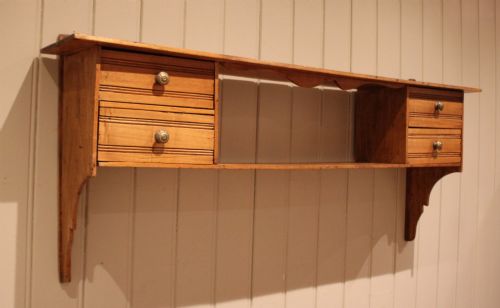
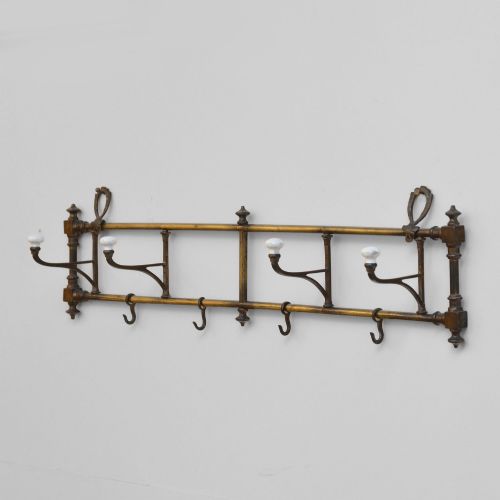
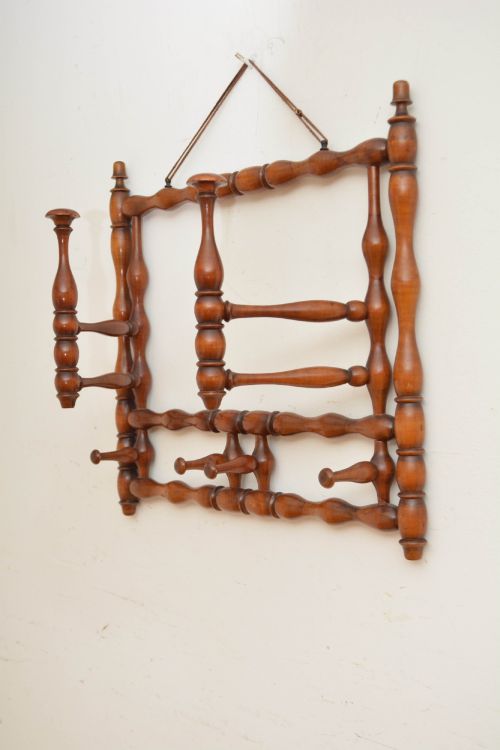
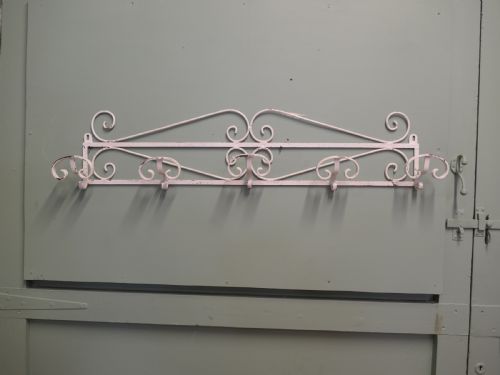
An antique french wall rack serves primarily to organise hats, coats and small items in hallways or living spaces, combining surface display with hanging space. The pieces seen here span coat racks, wall shelves, drying racks and portmanteaus.
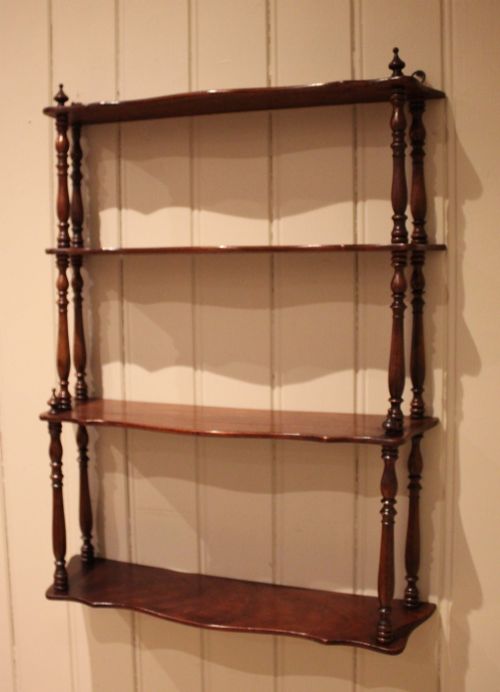
The selection ranges from nineteenth century walnut and mahogany hanging shelves to twentieth century brass and wrought iron designs. Styles lean towards French country, chateau, bistro and art deco expressions.
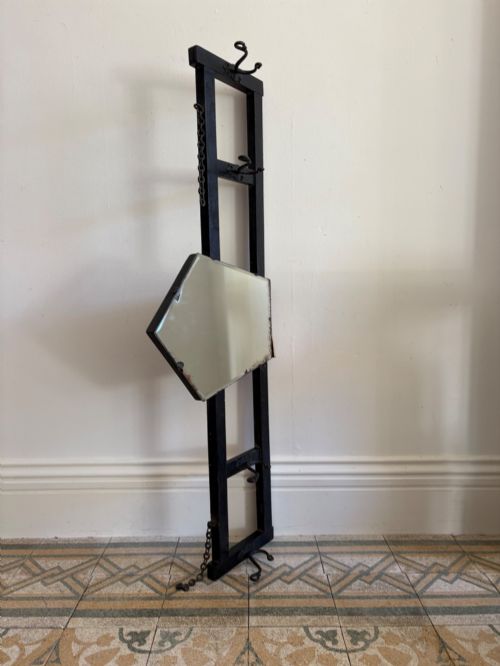
Buyers will encounter simpler coat hooks alongside substantial mirrored portmanteaus featuring integrated hat shelves. Each piece reflects the domestic storage needs of French interiors across different decades.
Materials and Construction Methods
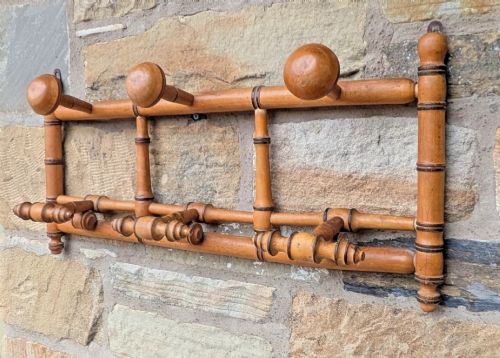
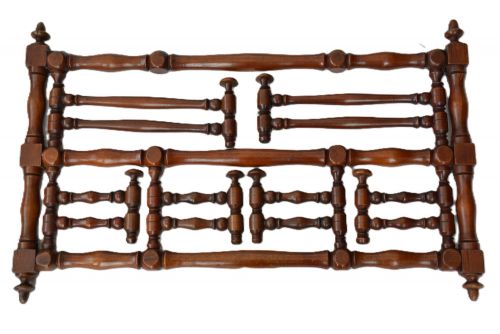
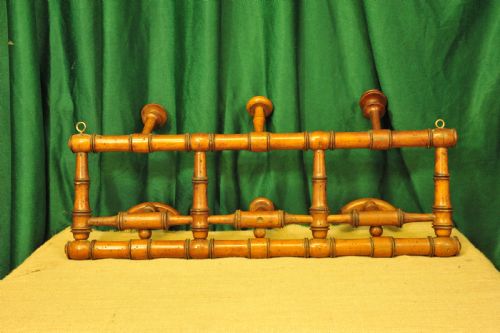
Construction relies heavily on woods such as mahogany, oak, cherry wood, walnut and fruitwood, often shaped into simulated or faux bamboo, bobbin turned supports or waterfall tiers. Ebonised wood and cleft hazel prune also appear.
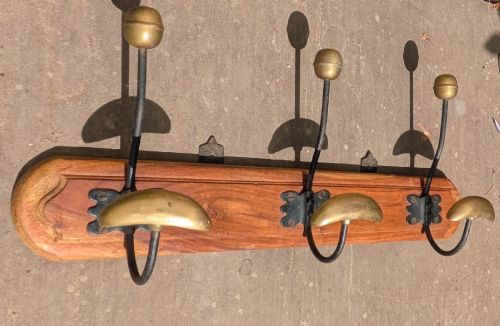
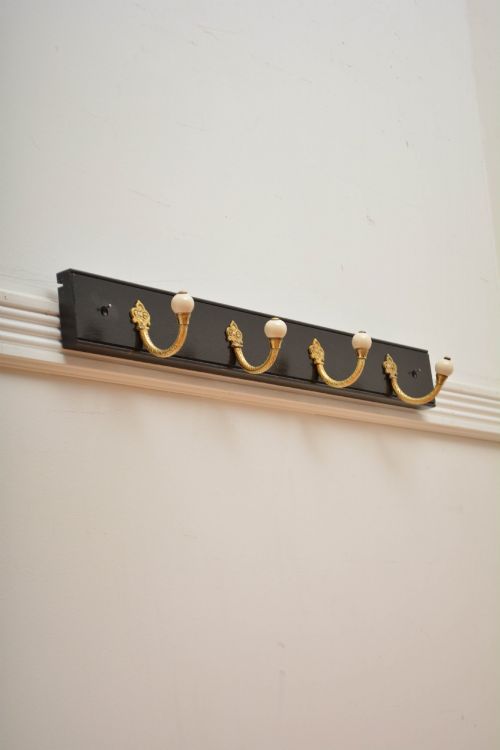
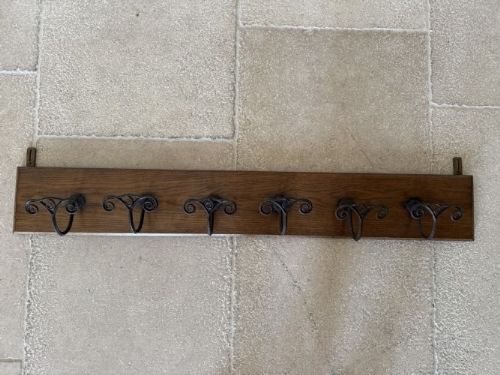
Metal elements form a crucial part of the construction, utilising cast brass, bronze, wrought iron and metal alongside ceramic or porcelain knobs and glass accents. Mounting plates are frequently cast with decorative detail.
Antique French Wall Rack Retail Price Guide 2026
Typical asking prices for french wall rack among the pieces listed under this phrase on Sellingantiques today, from the lower quarter to the upper quarter. They describe what is for sale here now, not the wider market.
One piece incorporates taxidermy into the hallway storage routine.
Distinguishing Quality in Wall Racks
Quality shows in the substance of the materials and the execution of the metalwork, where cast mounting plates and chased brass hooks demonstrate a higher standard of manufacture. Heavier brass portmanteaus and solid hardwoods indicate sturdier construction.
The preservation of original components, such as mirrored glass plates and ceramic knobs, elevates a piece. Finer items exhibit careful turning in woods like mahogany and walnut alongside well-proportioned shelf brackets.
The Antique French Wall Rack Glossary
- Portmanteau
- A combined wall-mounted rack incorporating both hat storage and coat hooks, frequently fitted with an integrated mirror. These pieces served as compact hall stands in tighter spaces.
- Faux bamboo
- Wood turned and carved to imitate the segmented stalks of natural bamboo. This decorative technique was popular in nineteenth and early twentieth century furniture.
- Bobbin turned
- A style of woodwork featuring cylindrical shapes carved into repeated spherical or disc-like ornaments resembling bobbins of thread. It creates a rhythmic textural profile along upright supports.
- Ebonised
- Wood treated with a dark finish to resemble ebony. This process gives a dense, uniform black appearance often seen on nineteenth century frames and hooks.
- Waterfall shelves
- Shelving units stepped in a descending tiered formation. The profile resembles cascading water as each lower tier projects further than the one above.
Antique French Wall Rack: Frequently Asked Questions
How were antique french wall racks used?
These pieces hung in hallways, bedrooms and kitchens to hold outerwear, hats and everyday domestic items. Mirrored versions doubled as a place for a final check before heading outside.
The shelving variations held books, display items or small ornaments, keeping floor space clear in smaller rooms.
What materials predominate in these wall racks?
Woods such as mahogany, oak, cherry wood and walnut form the structural body of the shelving and backboards. Ebonised finishes and faux bamboo treatments are also common.
Metals appear widely in the form of brass coat hangers, wrought iron frames, bronze hooks and ceramic or porcelain knobs.
How do I identify an art deco wall rack?
Art deco pieces typically date from the 1920s and 1930s, utilising wrought iron or polished brass with geometric symmetry. They often combine mirrors, shelves and hooks into a unified industrial aesthetic.
Earlier nineteenth century pieces lean towards carved wood, ornate cast brass plates and softer provincial silhouettes.
Can these wall racks support heavy winter coats?
Substantial pieces like heavy brass portmanteaus and solid hardwood racks are built to bear weight. Their durability depends on secure wall fixing into appropriate studs or masonry.
Lighter drying racks or delicate display shelves suit decorative items and lighter garments rather than heavy overcoats.