


Antique French Serving Tray
An antique french serving tray brings continental proportion and refined metalwork or porcelain into domestic service.
Antique French Serving Tray
An antique french serving tray encompasses decorative and practical table wares spanning the eighteenth, nineteenth, and twentieth centuries. Buyers search for these pieces to find functional serving vessels featuring distinct regional styles such as Napoleon III, Art Deco, and Rococo.
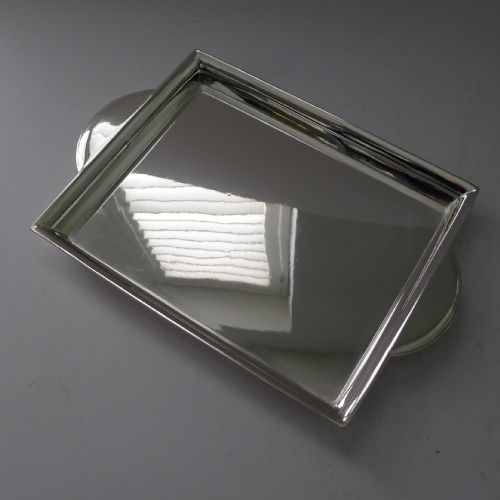
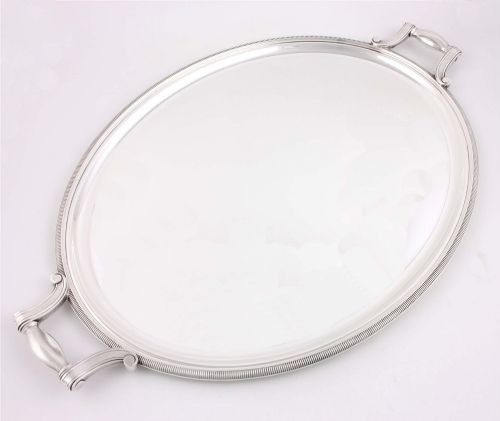
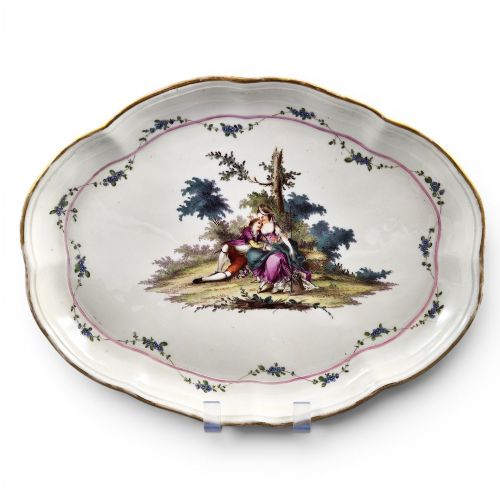
The selection on this page centres on serving trays, platters, and tea trolleys executed in silver plate, porcelain, enamel, and lacquered wood. Examples range from large oval cocktail trays to delicate porcelain dishes bearing painted scenes.
Mid nineteenth-century tôle peinte and silver-plated items sit alongside later twentieth-century Art Deco designs. Each piece reflects the material tastes and dining customs of its specific period of origin.
Materials and construction
Metals form a substantial group, utilising silver plate and solid silver shaped into oval platters, cocktail trays, and baskets. Silversmiths applied precise engraving and handles to heavy metal bases.
Ceramic pieces rely upon porcelain and faience bodies, decorated with hand-painted scenes, bleu céleste grounds, and gilding. Workshops utilised traditional firing and glazing techniques standard to French porcelain production.
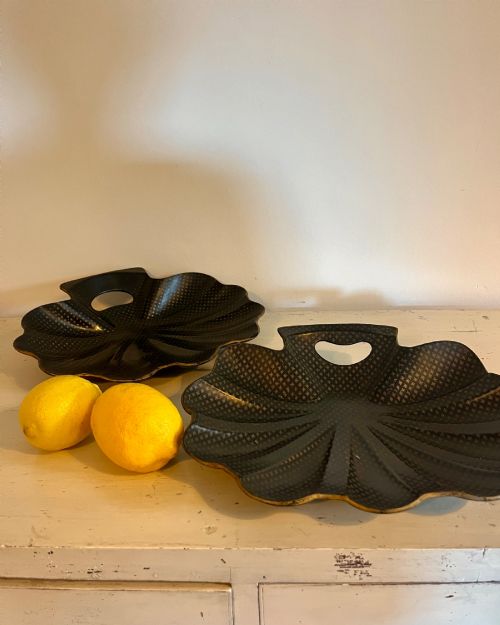
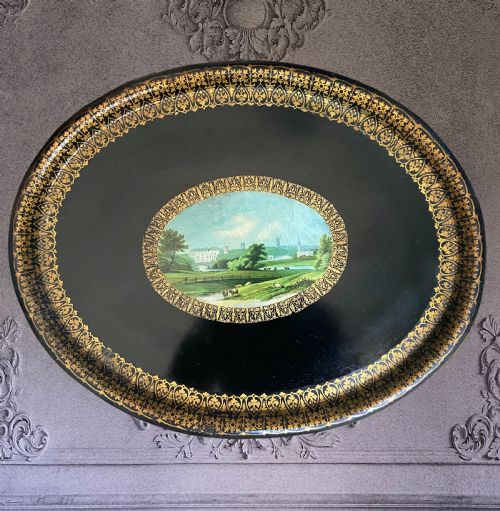
Alternative surfaces include lacquered papier-mâché and tôle peinte, where painted metal creates durable, decorative serving surfaces. Gilding and gold leaf often accentuate the edges and decorative motifs across these varied substrates.
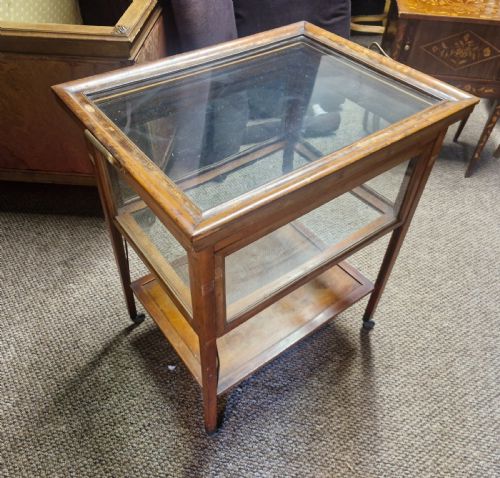
Drop-sided tea trolleys ensure your cakes can travel from room to room without diplomatic incident.
Judging quality in french trays
Quality rests upon the execution of the surface decoration, whether hand-painted porcelain scenes or engraved metal detailing. Superior pieces display crisp lines, secure mounts, and balanced proportions that demonstrate the maker's technical skill.
The integrity of the primary material dictates the standard of the object, from the weight of a solid silver platter to the preservation of enamel and lacquer. Better examples maintain their structural firmness and decorative coherence over centuries of use.
Christofle·Joseph-Gaspard Robert·Samson, Paris·Puiforcat·Brille, Paris·Victor Saglier, Paris·Louis Pierre Malpass
The Antique French Serving Tray Glossary
- Tôle peinte
- Painted sheet metal used for decorative trays and vessels. This material allows for rich surface decoration and deep colouration.
- Faience
- Tin-glazed earthenware produced in France. It offers an opaque white background suitable for hand-painted ornamentation.
- Silver plate
- A layer of silver applied to a base metal core. This technique provided the appearance of solid silver at a different scale of production.
- Bleu céleste
- A bright sky-blue porcelain ground colour. Sevres and other factories utilised this tone for decorative borders and panels.
- Japonesque
- A nineteenth-century style influenced by Japanese art and design. It appears in surface patterns and decorative motifs on European ceramics.
Antique French Serving Tray: Frequently Asked Questions
How do I clean a silver-plated tray?
Use a soft cloth and a specialised silver cleaner formulated to protect plated surfaces from excessive abrasion.
Avoid harsh scrubbing implements that might wear away the silver layer over the underlying base metal.
Can I use these trays for serving food?
Many metal and porcelain trays function well for serving drinks, bread, or dry items during meals.
Consider the delicacy of painted porcelain or antique lacquer surfaces before placing direct or moist foods upon them.
What periods do these pieces cover?
The inventory spans the eighteenth century through to the mid twentieth century, including Georgian and Art Deco eras.
Nineteenth-century examples frequently feature Napoleon III and tôle peinte styles.
How are porcelain trays decorated?
Decorations include hand-painted figural scenes, classical landscapes, and coloured grounds like bleu céleste.
Gilding and gold leaf often frame these painted pictorial elements.