
Antique French Picture
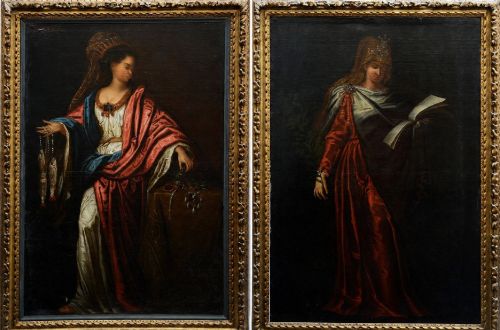
An antique french picture encompasses centuries of framed oil paintings, intricate gilded bronze surrounds, hand-coloured engravings and delicate portrait miniatures.
Antique French Picture
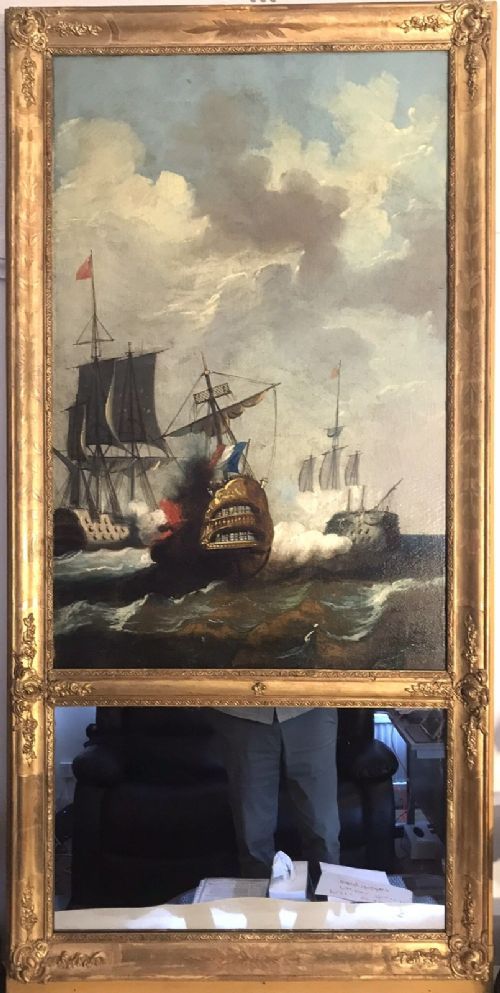
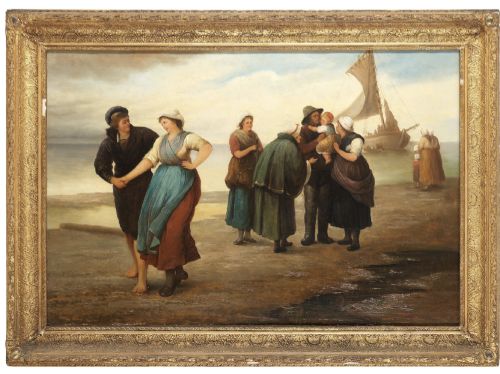
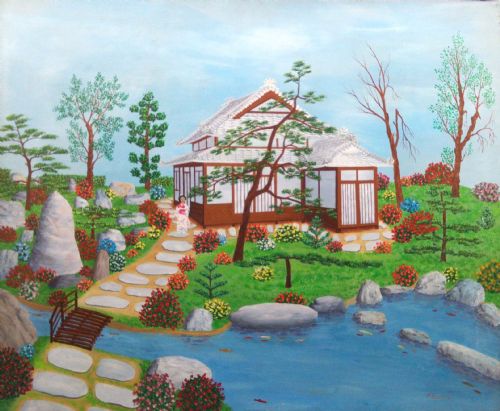
When searching for an antique french picture, buyers encounter a diverse selection ranging from seventeenth-century classical engravings to mid-twentieth-century oil seascapes. The inventory bridges formal academic works, such as eighteenth-century pastoral scenes and nineteenth-century school paintings, with intimate domestic objects like framed silk embroideries and portrait miniatures.
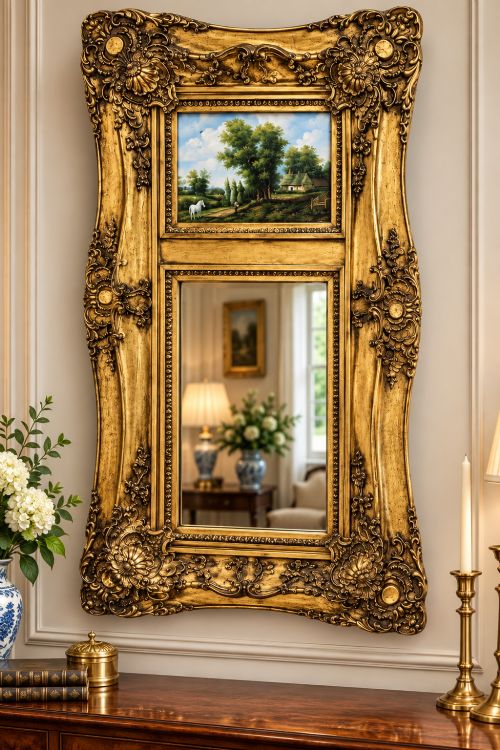
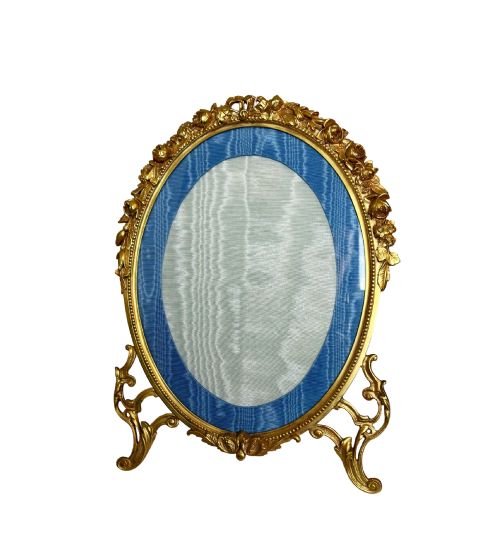
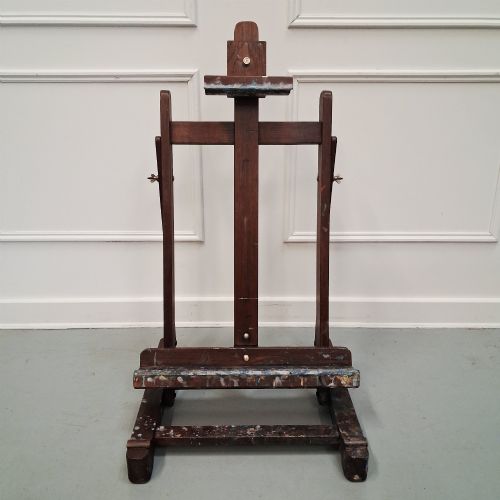
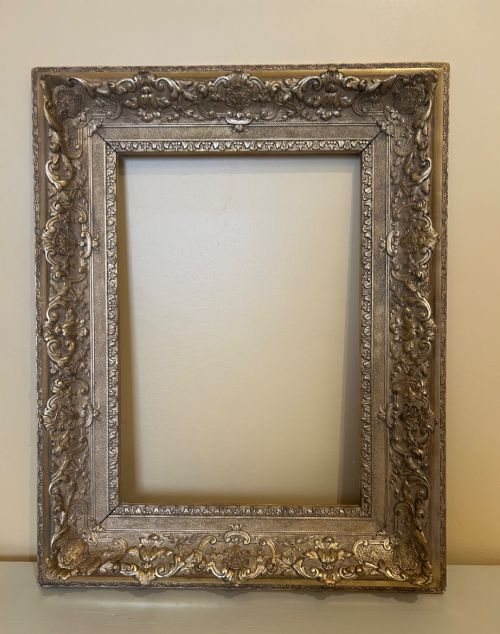
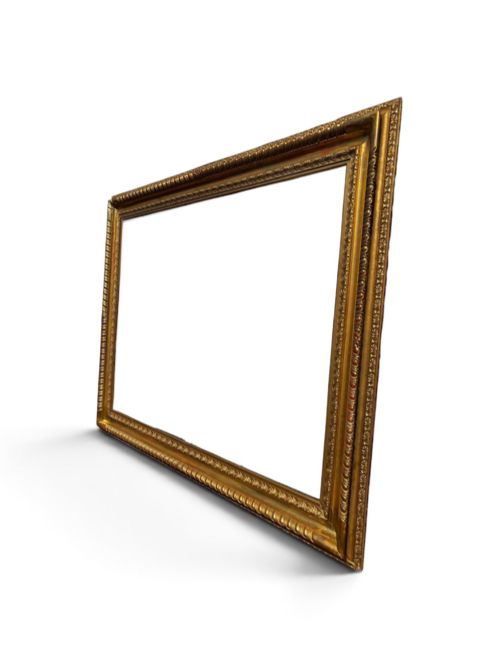
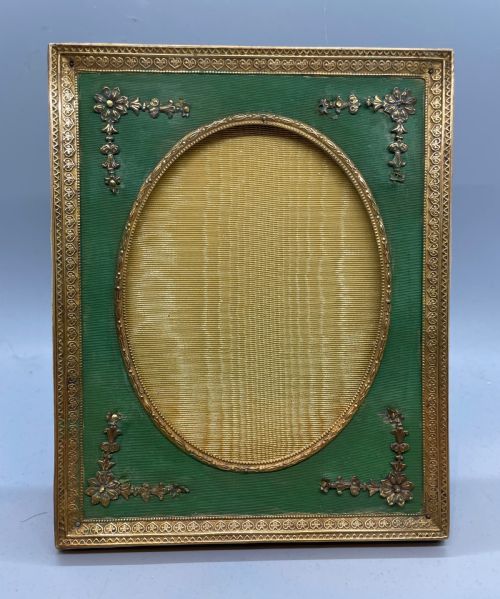
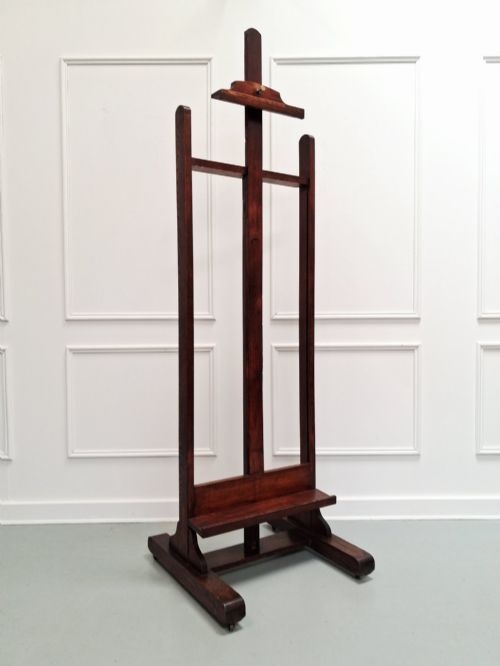
A significant portion of available items comprises ornate easel frames and wall displays rather than canvas art alone. Gilded bronze photograph frames featuring cherubs, enamel accents, and paste stones sit alongside structural oak and pitch pine tabletop easels designed for display.
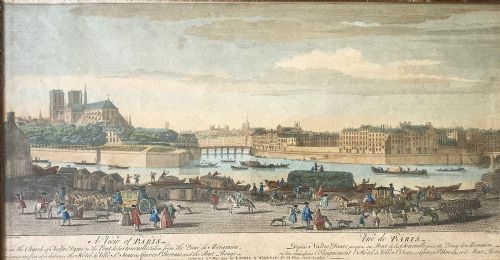
The historical span extends from early Georgian cartography and Limoges enamel plaques up to Impressionist landscapes and photographic prints from the early twentieth century. Buyers select these pieces to anchor a room with continental texture, matching specific period aesthetics from Rococo Revival to the clean lines of later wooden frames.
Materials and Construction Techniques
The physical construction relies heavily on traditional joinery, metal casting and hand-finishing methods. Gilt bronze and ormolu frames utilise intricate mouldings decorated with motifs like Napoleonic bees, floral garlands and cherubs, often complemented by coloured enamel or inlaid paste stones.
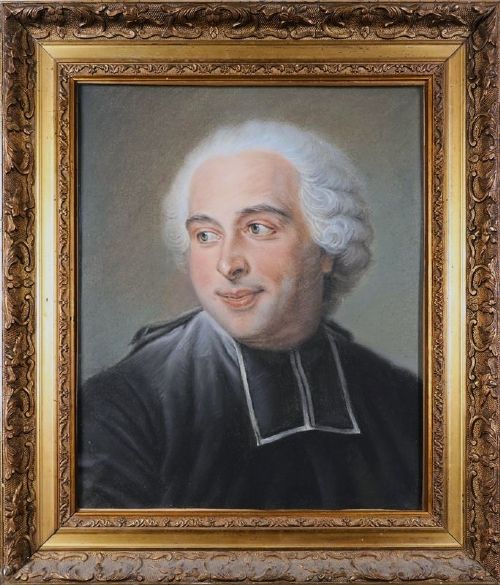
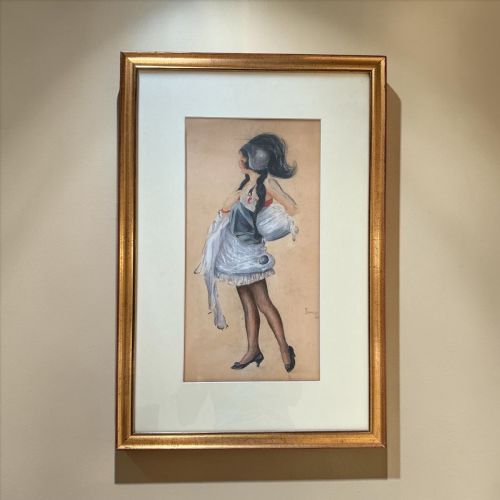
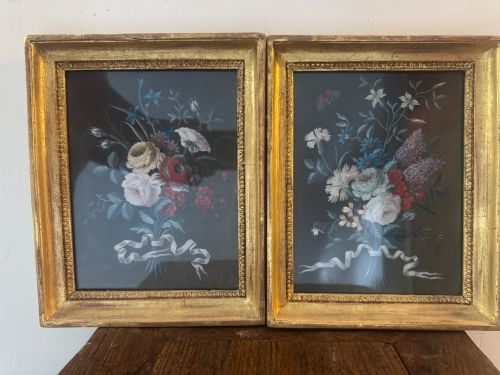
Painted works employ media such as oil on canvas, delicate pastels, gouache and hand-coloured engraving on laid paper. Wooden supports combine pitch pine, oak and rosewood, whilst textile art incorporates silk embroidery and petit point wool tapestries fixed within period surrounds.
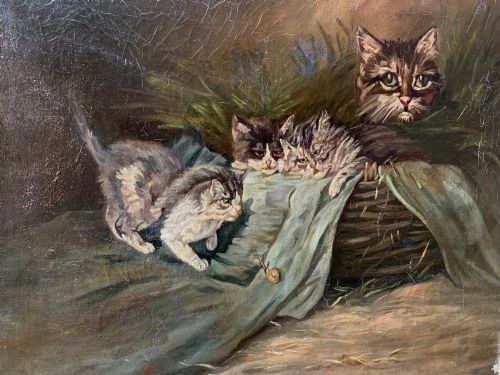
Several pieces preserve whimsical subjects, including courting cockerels in faux tortoiseshell and playful kittens investigating snails.
Factors Separating Categories
Quality rests upon the crispness of the casting in metal frames and the fidelity of the hand-applied pigments on paper or canvas. Superior examples display depth in the gilding, intact enamel work without loss, and original glass or backing materials that preserve the internal composition.
The integration between artwork and enclosure determines the integrity of the piece. Items retaining their original frames, precise period mountings, and verifiable artist signatures or studio attributions command greater attention from collectors.
Maurice Quentin de la Tour·Étienne Baudet·Louis Icart·Albert Ludovici Jnr·Benjamin Eugene Fichel·Julian Mandel·Charles Clair
The Antique French Picture Glossary
- Ormolu
- Finely ground high-carat gold applied to a bronze base using a mercury amalgamation technique. This process creates a rich, durable metallic sheen seen on nineteenth-century frames.
- Gesso
- A plaster mix spread over wood or canvas and smoothed to prepare a surface for gilding or painting. It allows intricate relief moulding on picture frame corners.
- Pastel
- A dry drawing medium made of powdered pigment and a binder, pressed into stick form. It produces velvety tones frequently utilised in eighteenth and nineteenth-century portraits.
- Gouache
- An opaque water-based paint mixed with a gum binder and white pigment to create solid, flat colour fields. It appears frequently in botanical and landscape illustrations.
- Cartography
- The science and art of making maps, represented here by hand-coloured engraved maps from the Georgian period. These items were traditionally framed for wall display.
Antique French Picture: Frequently Asked Questions
How do I date a gilded frame?
Dating relies on observing the moulding style, the composition of the underlying gesso, and fastening methods at the reverse. Earlier examples often feature hand-carved wooden substrates, whilst later nineteenth-century pieces utilise cast ornamentations.
Inspect the fasteners and corner joints for hand-cut elements rather than modern industrial staples. Original finish layers also provide clues through natural wear patterns and patination.
Are these paintings original or prints?
The category includes both unique hand-painted oils, pastels, and watercolours alongside period engravings, lithographs, and photographic prints. Examining the surface under magnification reveals whether pigment sits directly on canvas or paper fibres as brushstrokes or ink dots.
Signatures, plate marks on engravings, and the texture of the paper or weave of the canvas clarify the production method. Many prints were hand-coloured after printing during the eighteenth and nineteenth centuries.
How should I hang an antique frame?
Wall-mounted pieces require hardware rated for the combined weight of the heavy timber, metal, and glass construction. Ensure the hanging wire or brackets securely engage the structural sides of the frame rather than fragile decorative mouldings.
Position items away from direct sunlight and fluctuating heat sources to protect delicate pastels, silk embroideries, and historic wood finishes from fading or warping.