


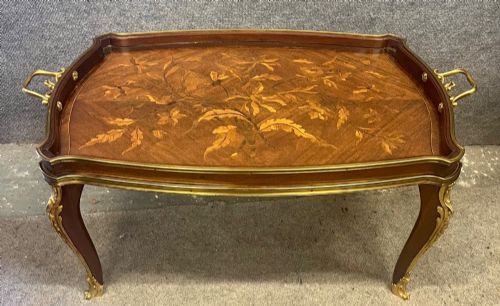


Antique French Ormolu Tray
An antique french ormolu tray brings gilt metalwork and decorative stone into a room, offering a functional surface shaped by nineteenth-century revival styles.
Antique French Ormolu Tray
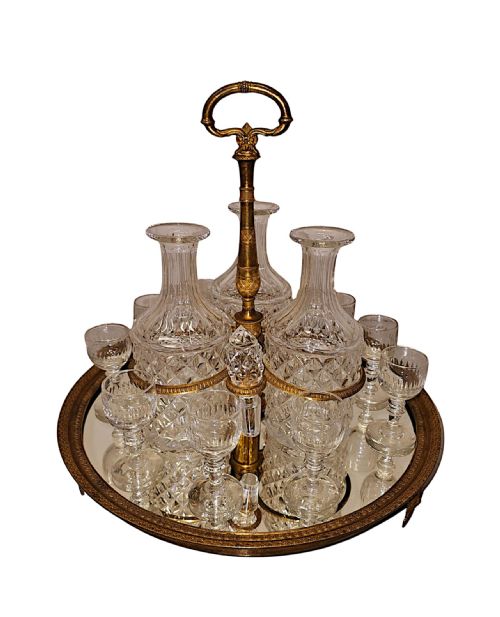
An antique french ormolu tray appears primarily in nineteenth-century forms, including small pin trays, desk sets, and occasional tables with removable top surfaces. These pieces emerge from styles such as Louis XV Revival, Neoclassical, and French Rococo, reflecting the decorative tastes of the eighteenth and nineteenth centuries.
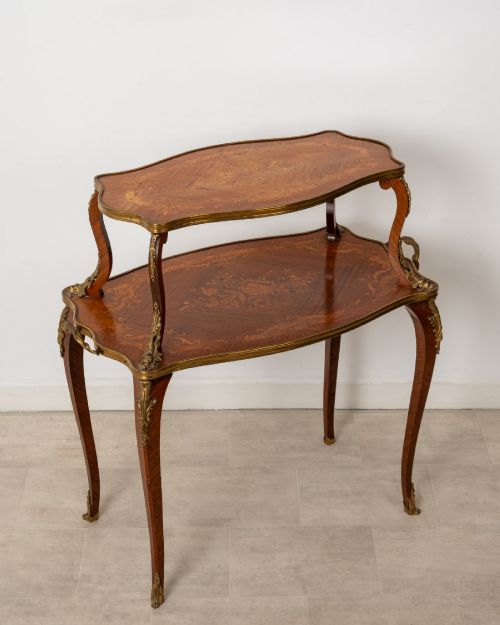
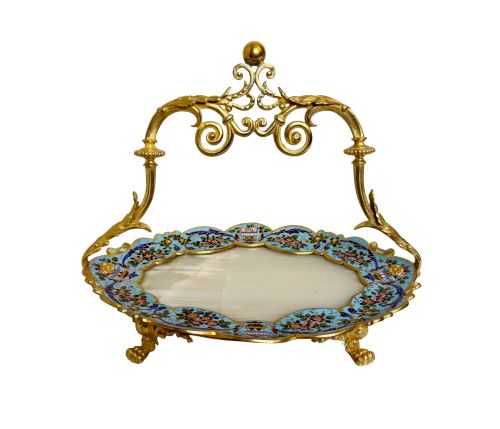
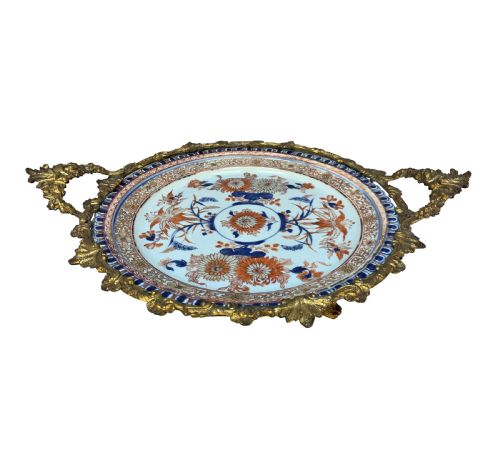
Buyers most frequently encounter ormolu mounted alongside champleve enamel, porcelain, marble, and onyx in centrepieces and inkstands. The selection ranges from tabletop display dishes to etageres and side tables bearing gilt bronze mounts.
What varies in quality
The definition and depth of the metal casting distinguish finer ormolu work from simpler production, particularly where chased details sharpen floral and scroll elements. Heavier bronze foundations and crisper surface finishing elevate individual trays and centrepieces above standard commercial pieces.
The integration of materials determines the upper tier of objects, such as the precision fit of champleve enamel panels, the choice of sienna marble or onyx, and the complexity of kingwood marquetry. Finer examples display harmonious proportion between the gilt mount and the porcelain, stone, or glass insert.
Antique French Ormolu Tray Retail Price Guide 2026
Typical asking prices for french ormolu tray among the pieces listed under this phrase on Sellingantiques today, from the lower quarter to the upper quarter. They describe what is for sale here now, not the wider market.
One exceptional desk set captures cats or kittens at play in gilded bronze, proving that nineteenth-century desk accessories did not take themselves too seriously.
A Marionnet·Louis Pierre Malpass
The Antique French Ormolu Tray Glossary
- Ormolu
- Gilt bronze produced by applying a gold amalgam to a bronze base and heating it, or through later electroplating methods. This finish provides the characteristic golden gleam seen on nineteenth-century French mounts.
- Champleve enamel
- A technique where troughs or cells are hollowed out of the metal surface and filled with vitreous enamel before firing. It appears frequently on nineteenth-century trays and desk accessories alongside ormolu.
- Encrier
- A French inkstand or desk set designed to hold inkwells, sanders, and pen trays. These desk accessories often feature ormolu mounts and marble bases.
- Etagere
- A small open shelving unit or tiered side table used for display. French examples often incorporate kingwood, marquetry, and removable glass or ormolu-mounted trays.
- Japonesque
- A nineteenth-century western style inspired by Japanese art and design. This aesthetic influenced the decoration of certain French porcelain dishes and metalwork.
Antique French Ormolu Tray: Frequently Asked Questions
What is an ormolu tray used for?
These trays served various domestic functions, acting as desk accessories for holding inkwells and pens, dressing table dishes for pins, or serving surfaces on small occasional tables and etageres.
In contemporary spaces, they function effectively as decorative display pieces on sideboards, coffee tables, or desks to hold small items.
How do you clean antique ormolu?
Antique ormolu requires gentle dusting with a soft dry cloth to remove surface particles without disturbing the gilt surface. Avoid harsh chemical cleaners or abrasive metal polishes, which can permanently strip the gold layer from the bronze base.
What is the difference between ormolu and gilt bronze?
Ormolu is a specific historical term for gilt bronze, typically denoting French decorative metalwork from the eighteenth and nineteenth centuries. While technically the same material combination, ormolu often implies a high standard of mercury gilding and chased surface detail.
How can you tell the period of an antique tray?
Dating relies on examining the casting quality, the integration of materials like champleve enamel or onyx, and stylistic markers such as Neoclassical symmetry or Louis XV curves. Construction methods and secondary woods on associated tables also help establish whether a piece originates from the nineteenth century.