





Antique French Nude Portrait
These antique french nude portrait pieces combine academic rigour with intimate forms, offering buyers a direct connection to European figurative traditions.
Antique French Nude Portrait
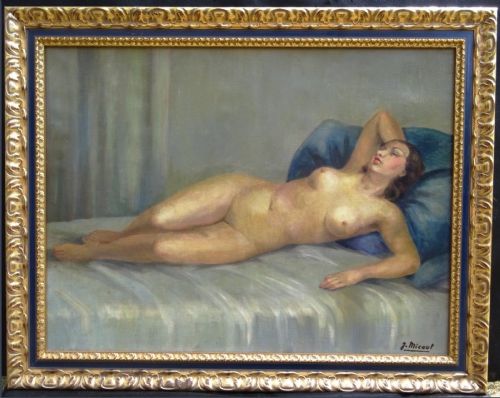
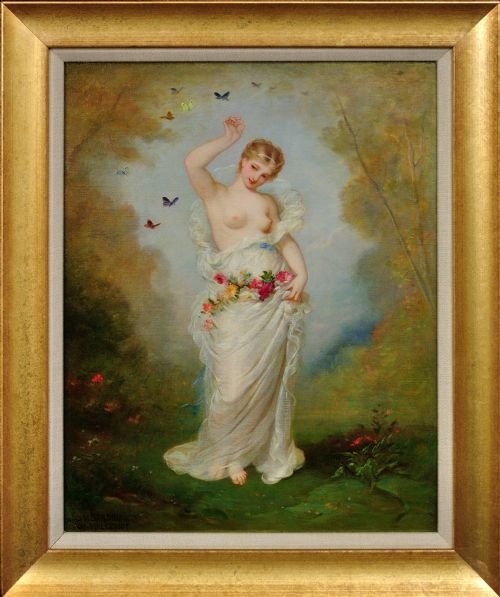
An antique french nude portrait encompasses oil paintings, drawings, photographs, and terracotta sculptures produced across the nineteenth and twentieth centuries. These works reflect stylistic shifts from neoclassical and academic realism through to impressionism, cubism, and fauvism.
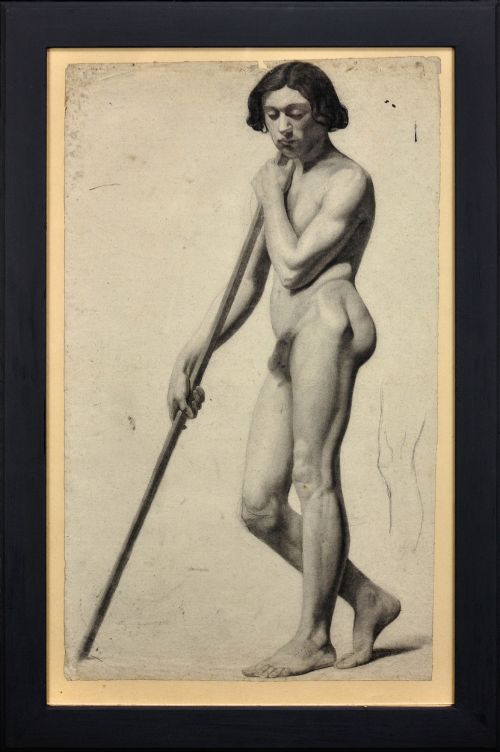
Buyers encounter subjects ranging from mythological studies and life drawings to sunbathing scenes and erotic photography. The selection spans periods from the early nineteenth century into the Edwardian era and the interwar years of the 1920s and 1930s.
Materials and construction
Artists executed these works using oil paint applied to canvas and paper, alongside charcoal or graphite in framed drawings and monochrome silver-gelatin photographic prints. Sculptural examples utilise terracotta shaped into busts.
Many works retain their period surrounds, including gilt wood frames that complement the specific academic or avant-garde character of the imagery.
Current listings span periods from the early 1800s through the 1930s, utilising oil paint, canvas, paper, terracotta, and wood.
Assessing quality and execution
Quality rests upon the sureness of the draftsmanship and the artist's handling of tone and light across the human form. Works displaying confident anatomical structure and deliberate brushwork distinguish themselves from routine academic exercises.
The integration of the medium with its original support, whether canvas texture or paper quality, alongside the preservation of period framing, dictates the overall integrity of the piece.
Julian Mandel·Henry Arthur Roberts·Raymond Moritz·André Charles Voillemot·Gaetan Dumas·Fernand Jean Barbier·Jean Hippolyte Marchand
The Antique French Nude Portrait Glossary
- Academic Realism
- A style of painting and sculpture produced under the influence of European academies of art, prioritising precise anatomical accuracy and classical subject matter.
- Terracotta
- A porous red-brown earthenware clay used unglazed for sculptural busts and figures, allowing for fine surface detail and modelling.
- Fauvism
- An early twentieth-century style characterised by strong colours and painterly brushwork over realistic representation, visible in certain figurative scenes.
- Life Study
- A drawing, painting, or sculpture created from a live human model, serving as either a preliminary exercise or a finished composition.
- Gilt Wood
- Wood treated with a thin layer of gold leaf or metallic gilt, commonly utilised for framing fine art and portraiture.
Antique French Nude Portrait: Frequently Asked Questions
How do I date an antique french nude portrait?
Dating relies on stylistic markers, such as the transition from nineteenth-century academic realism to twentieth-century fauvism and cubism, combined with framing materials and artist signatures.
Supporting evidence from signatures, photographic formats, and canvas stamps helps confirm the specific decade of production.
Where should I hang an antique french nude portrait?
These works suit private studies, drawing rooms, or dedicated galleries where controlled lighting protects canvas and paper from direct sunlight.
Pairing the piece with appropriate wall colours enhances the tones of the oil paint or the warmth of the terracotta.
What is the difference between an academic study and a portrait?
An academic study focuses primarily on anatomical accuracy, lighting, and form, often using anonymous models for training or exhibition purposes.
A portrait typically captures a specific, identified individual with greater emphasis on personality and likeness.
How do I care for works on paper and canvas?
Canvas and oil paint require stable indoor humidity and temperatures to prevent cracking or warping of the stretcher frames.
Works on paper and photographic prints need protection from ultraviolet light to avoid fading the monochrome or tonal details.