







Antique French History
Antique french history spans centuries of illustrated natural subjects, military portraits, and antiquarian books recorded on paper, canvas, and gilt wood.
Antique French History
When searching for antique french history, collectors encounter a diverse selection of framed prints, oil paintings, and antiquarian books. These items document centuries of scientific illustration, military records, and portraiture originating from France.
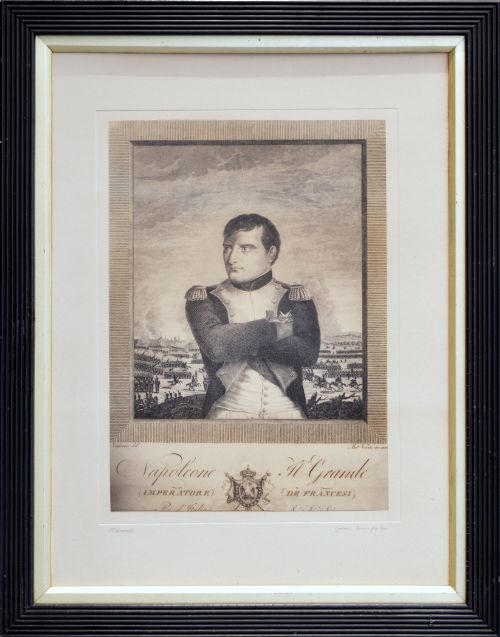
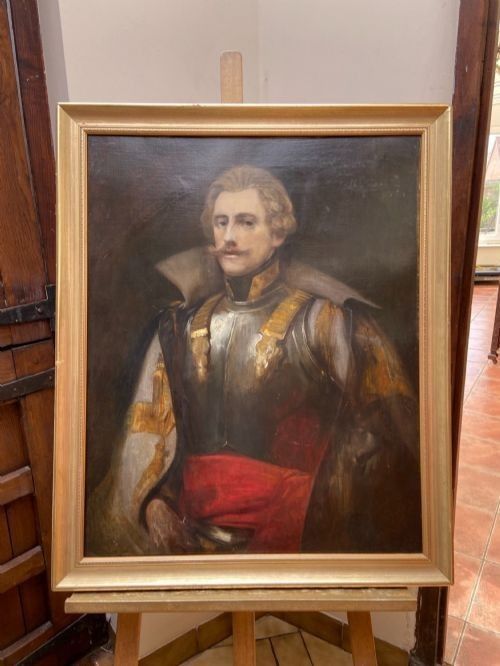
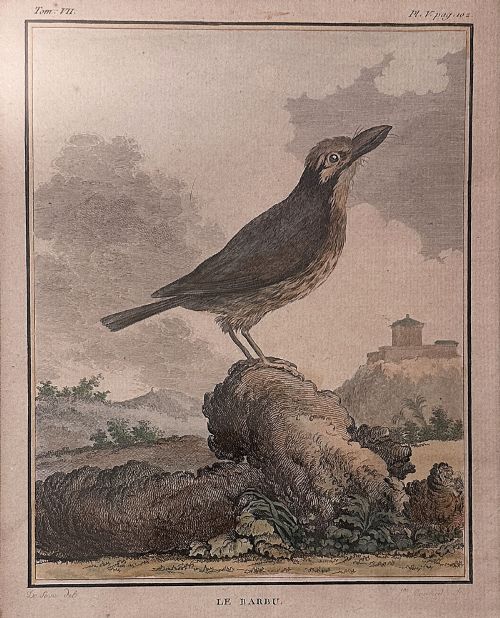
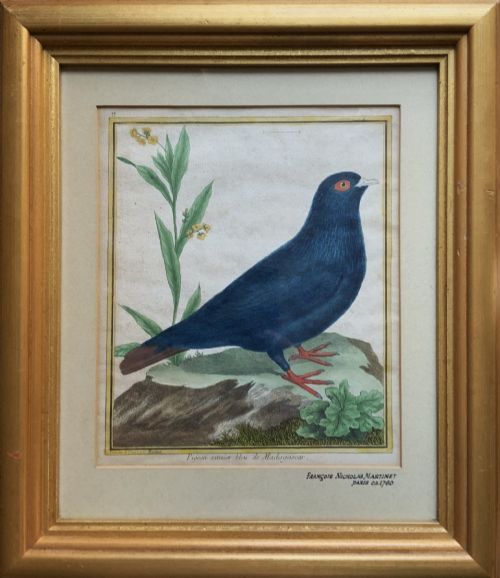
The objects available on this page include hand-coloured engravings of birds and animals, framed portraits of figures such as Napoleon, and botanical studies. Natural history and military portraiture form the core of the visual material presented.
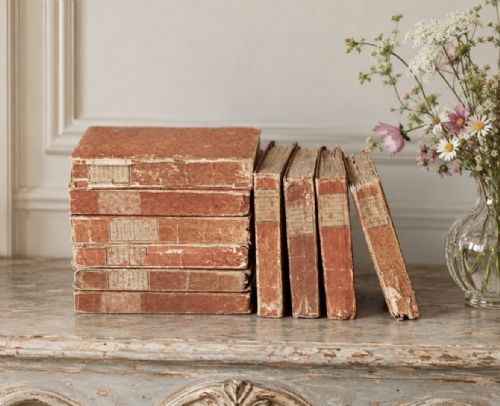
Book formats range from small collections to large volumes published across the eighteenth and nineteenth centuries. Alongside prints, original watercolours and oil paintings on canvas or paper provide direct examples of period artistry.
Materials and methods
Paper and canvas serve as the primary grounds for the prints, watercolours, and oil paintings found in these listings. Engravings and lithographs often incorporate ink and hand-applied watercolours to enhance the natural subjects.
Frames utilise wood, sometimes finished with gold leaf or gilt wood, complementing the works on paper. Bound books employ period paper stocks and traditional stitching and binding techniques.
Antique French History Retail Price Guide 2026
Typical asking prices for french history among the pieces listed under this phrase on Sellingantiques today, from the lower quarter to the upper quarter. They describe what is for sale here now, not the wider market.
Listings feature paper, glass, wood, and gold leaf across styles including Georgian, Edwardian, and nineteenth-century natural history.
Factors influencing quality
The precision of the original engraving work and the subtlety of any hand-applied watercolour define the visual strength of printed plates. Strong contrast, clear impression lines, and well-preserved paper without excessive discolouration elevate individual pieces.
Original oil paintings and watercolours derive their merit from brushwork control, pigment vibrancy, and the condition of the canvas or paper support. Associated frames in original gilt wood add value compared to modern replacements.
François-Nicolas Martinet·Paul-Louis Barruel·Pierre-Joseph Redouté
The Antique French History Glossary
- Engraving
- A printmaking technique where an image is incised into a metal plate, usually copper, holding ink in the grooves to transfer fine lines onto paper. This method allowed for high detail in scientific illustrations.
- Lithography
- A planographic printing process based on the repulsion of oil and water, enabling the reproduction of vibrant multi-coloured prints and illustrations. It became widely used for natural history plates during the nineteenth century.
- Gilt wood
- Wood carved and coated with a thin layer of gold leaf or metallic powder, commonly used to finish decorative picture frames. This finish provides a reflective surface that frames historical artwork.
- Antiquarian books
- Volumes published in earlier centuries, collected for their historical content, typography, or binding rather than modern reading use. These books often contain period plates and handwritten annotations.
Antique French History: Frequently Asked Questions
What periods do these pieces cover?
The listings encompass items spanning from the eighteenth century through to the mid-twentieth century, with a strong representation of eighteenth- and nineteenth-century works.
Specific dates are often recorded on prints, book publications, and specific paintings, ranging from the seventeen-hundreds to nineteen-sixty.
How should I care for works on paper?
Works on paper, including engravings, watercolours, and lithographs, require protection from direct sunlight to prevent fading of inks and watercolours.
Displaying them behind conservation glass and away from high-moisture environments helps preserve the paper support and medium over time.
Are the frames original to the pieces?
Framing varies across the selection, with some items retaining period gilt wood frames while others feature later mountings chosen to protect the artwork.
Examining the backboards and frame construction helps determine whether the framing dates closer to the creation of the print or painting.
How are natural history prints distinguished?
Natural history prints feature detailed botanical, ornithological, or zoological illustrations, often accompanied by Latin nomenclature or descriptive text.
Artists and engravers frequently published these plates as part of multi-volume scientific surveys or standalone portfolios.