

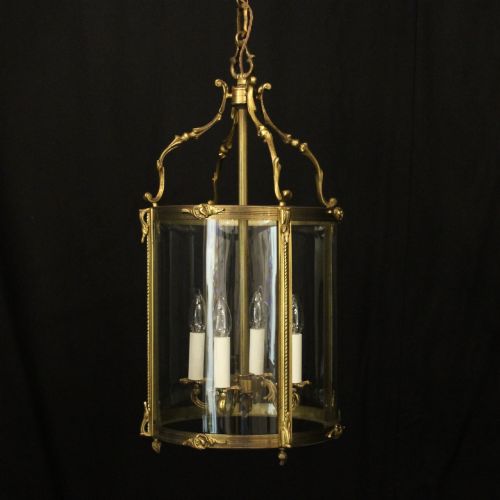
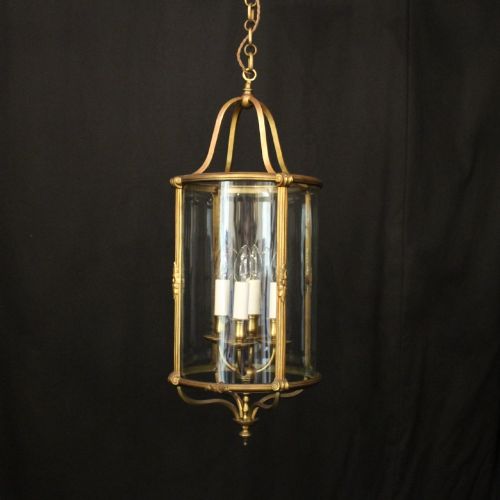
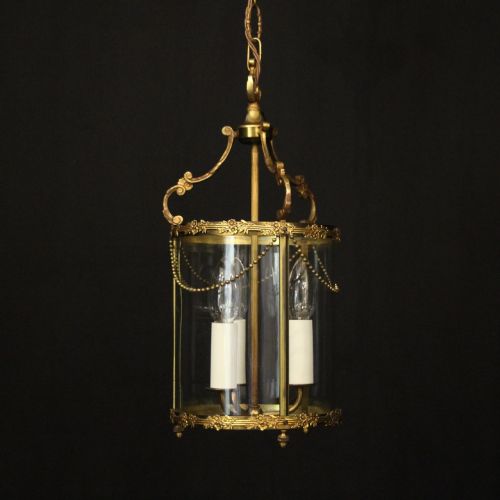
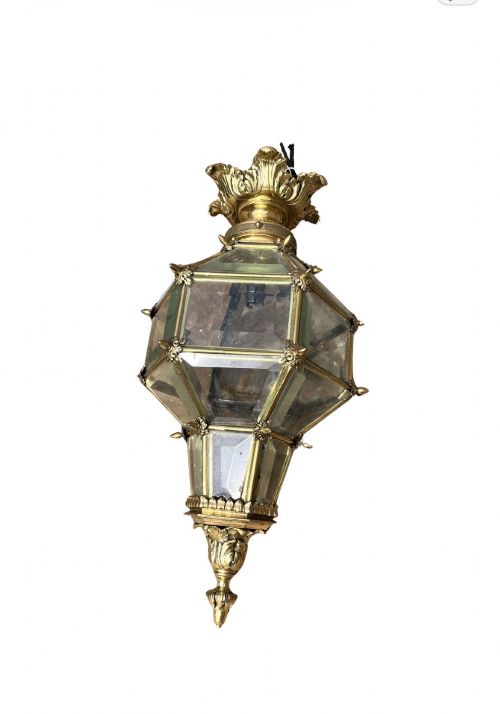


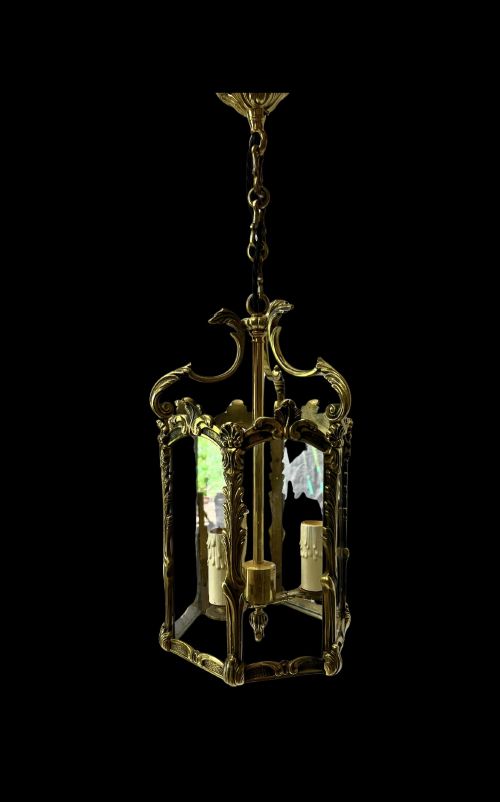


Antique French Glazed Lantern
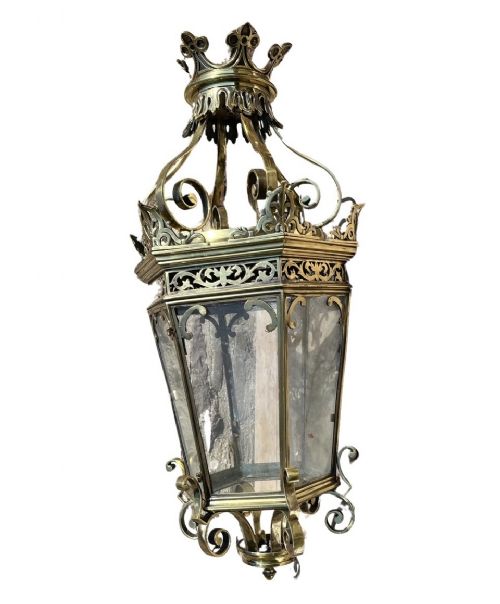
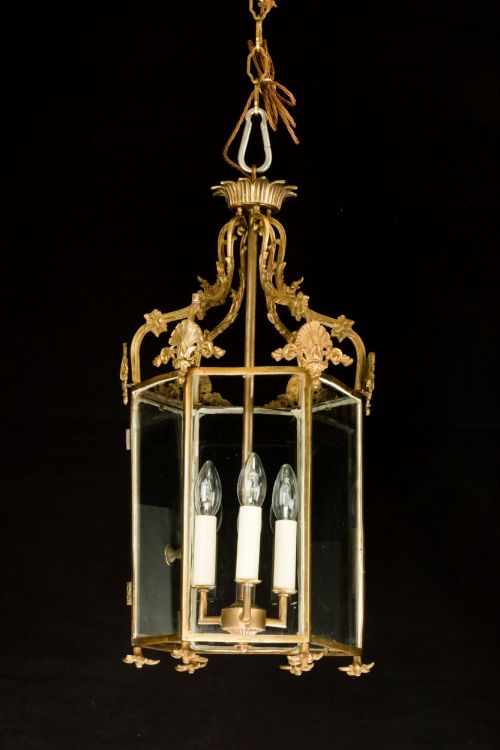
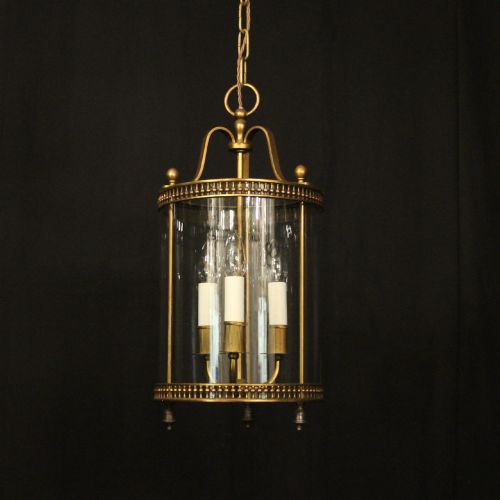
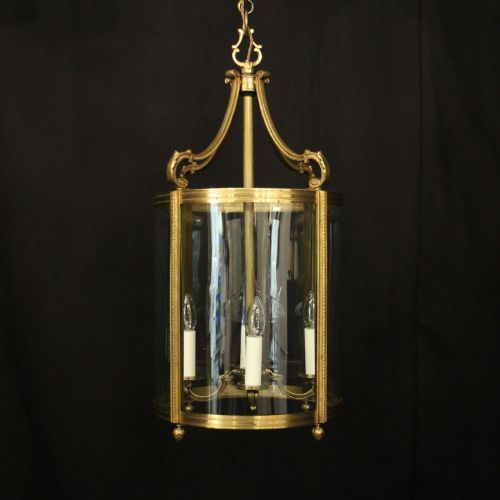
An antique french glazed lantern brings architectural presence to a hallway, suspending cast metal and clear panes from high ceilings.
Antique French Glazed Lantern
An antique french glazed lantern provides overhead or wall illumination through fitted glass panels held within a rigid metal cage. These pieces appear primarily as ceiling lighting, hall lanterns, and pendant lights suited to grand entryways.
The selections span from the mid-nineteenth century through the nineteen-thirties, drawing on periods such as the Edwardian era and the year nineteen hundred. Formats range from single-light wall brackets to large four-light hanging fixtures.
Makers and designers channel distinct historical vocabularies, presenting french chateau, neoclassical, empire, and rococo styles. Buyers frequently encounter hexagonal configurations and convex glass variants among the options.
Materials and construction methods
Frames are constructed from brass, bronze, steel, and wrought iron, often finished with silver or gold gilding. Metal components are cast, forged, or soldered together to form sturdy structural cages.
Glazing relies on fitted glass plates, frequently bevelled at the edges to catch and refract light. Panels are secured within the metal framework using traditional glazing techniques.
Antique French Glazed Lantern Retail Price Guide 2026
Typical asking prices for french glazed lantern among the pieces listed under this phrase on Sellingantiques today, from the lower quarter to the upper quarter. They describe what is for sale here now, not the wider market.
Listings feature brass, bronze, and steel frameworks paired with bevelled and convex glass panels across multiple historical periods.
Assessing quality in construction
Quality reveals itself in the weight and thickness of the cast metal frame, where heavier bronze and brass assemblies offer superior rigidity. The crispness of chased ornamentation on gilt surfaces distinguishes finer workshop output from simpler production.
The choice of glass significantly impacts the character of the piece, with heavy bevelled panes providing greater optical depth than flat sheet glass. Precision in the joinery where metal meets glass indicates the level of care invested by the maker.
The Antique French Glazed Lantern Glossary
- Convex glass
- Curved glass panels that project outward from the lantern frame. This treatment magnifies the internal light source and softens the reflected glare.
- Bevelled glass
- Glass panes featuring angled edges ground down to a thinner perimeter. This technique creates prismatic light effects along the borders of each panel.
- Gilt bronze
- Bronze metal treated with a thin layer of gold through fire gilding or electroplating. The finish imparts a warm, reflective lustre that resists tarnishing over decades.
- Hall lantern
- A tall, narrow hanging light fixture designed specifically for entrance vestibules and corridors. These fixtures direct illumination downward while projecting light through transparent walls.
Antique French Glazed Lantern: Frequently Asked Questions
Where should I hang a french glazed lantern?
These fixtures suit high-ceilinged entryways, stairwells, and principal reception rooms where their vertical proportions command attention. Their enclosed design protects the light source from drafts in transitional spaces.
Wall-mounted variants function effectively beside large doorways or along panelled corridors. Ensure adequate ceiling clearance allows the hanging chain and canopy to sit in proper proportion to the room.
How do I date an antique brass lantern?
Dating relies on stylistic markers, construction methods, and the type of metal finishing applied to the frame. Earlier nineteenth-century examples often feature heavy cast components and hand-finished details.
Twentieth-century pieces from the nineteen-twenties and thirties frequently incorporate standardised electrical fittings alongside traditional brass or steel frameworks. Compare the decorative motifs against known revival styles of the period to narrow the timeline.
Are these lanterns suitable for modern electrical wiring?
Many surviving pieces arrive with updated wiring ready for contemporary ceiling boxes and standard lamp bases. Rewiring preserves the historical metalwork while ensuring compliance with current safety standards.
Qualified electricians can easily adapt internal cluster fittings to accommodate low-energy bulbs without altering the exterior appearance. Check the internal space dimensions before selecting bulb types to ensure proper clearance.
What defines the french empire style in lanterns?
French empire style draws upon neoclassical military motifs, featuring symmetrical geometry, laurel wreaths, and classical cast ornamentation. These lanterns often utilise gilded brass or bronze with clean architectural lines.
The aesthetic emphasises dignity and proportion, steering clear of the ornate asymmetry found in later rococo revivals. Such pieces reflect the decorative tastes prevalent during the early nineteenth century.