

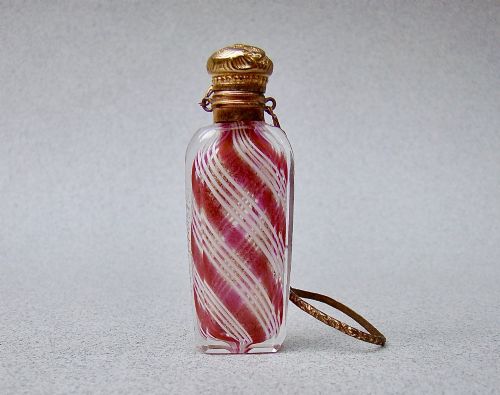
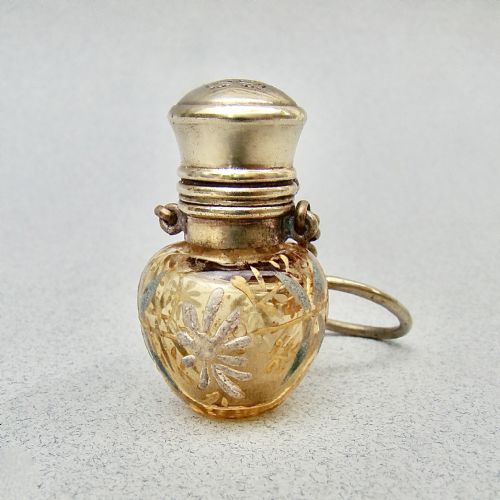
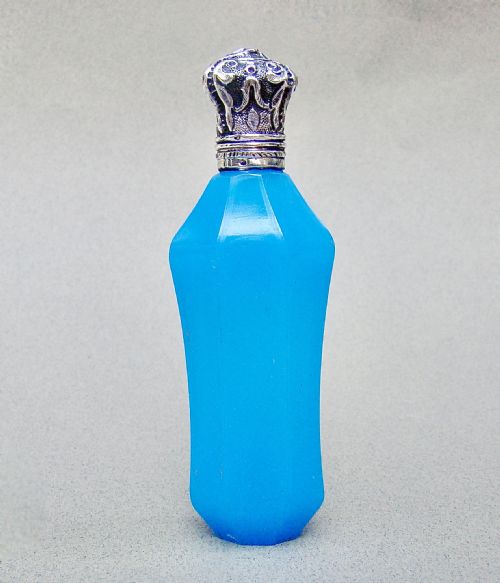
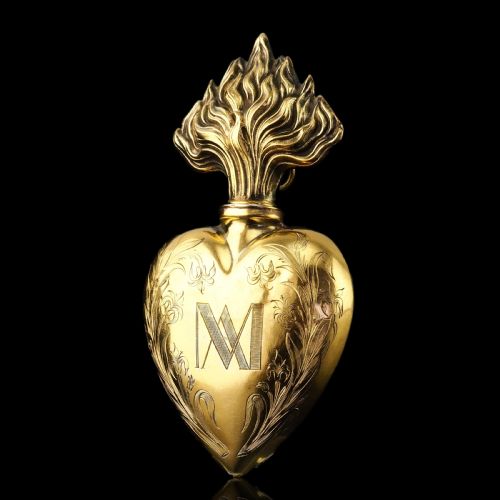



Antique French Glass Flask
An antique french glass flask is a wearable or dressing table vessel combining coloured or opalescent glass with metal mounts, prized for its decorative utility.
Antique French Glass Flask
When searching for an antique french glass flask, collectors encounter portable scent bottles, chatelaine flasks, and vanity vessels designed to hold perfumes and essences. These pieces date principally from the nineteenth century through the art deco period, reflecting shifting tastes in personal adornment and interior dressing table accessories.
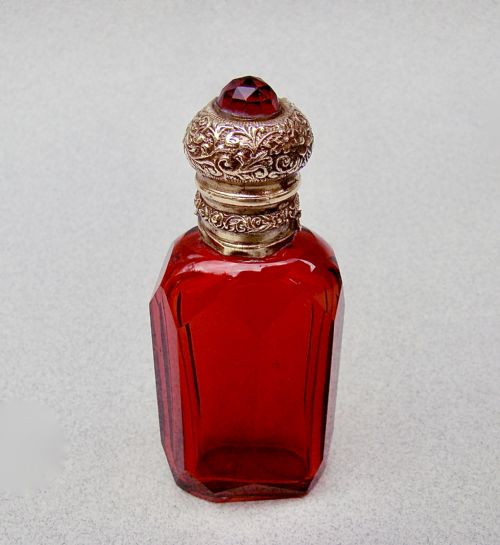
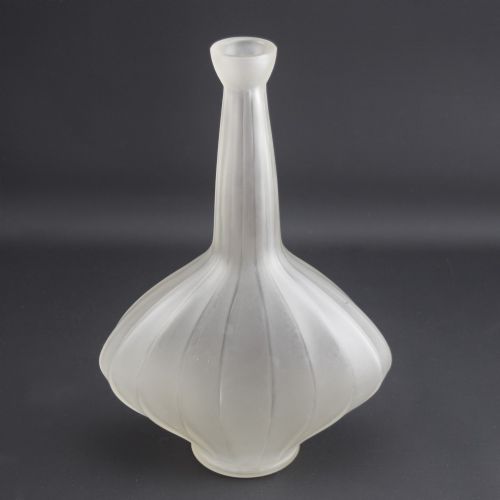
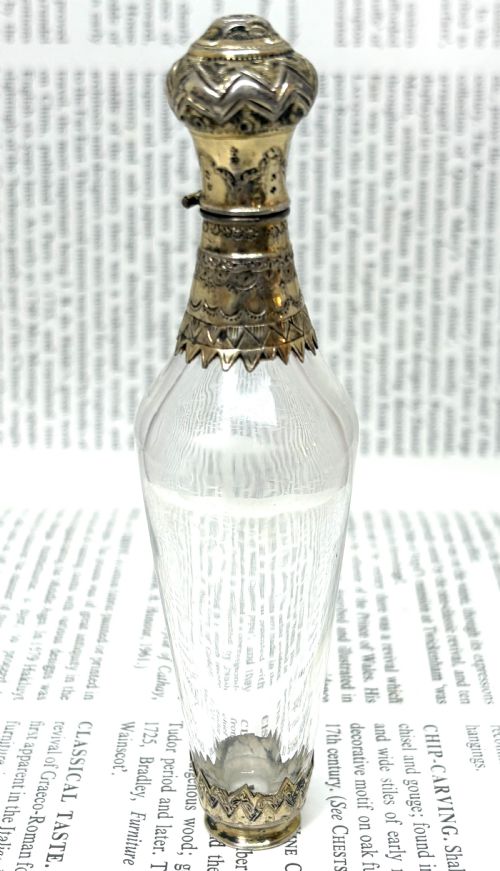
The most common examples on this page are nineteenth century scent bottles fitted with silver, silver gilt, vermeil, or ormolu mounts. Alongside these sit opalescent and frosted glass editions from twentieth century makers, demonstrating a distinct transition from ornate Victorian metalwork to modernist moulded forms.
How they were made
Makers combined blown or moulded glass with cast and chased metal mounts in sterling silver, silver gilt, and ormolu. Glass bodies utilised techniques including cutting, layering in multiple colours, enamelling, and acid frosting to create rich surface textures.
Detailing often involved applied enamel work, guilloche patterns, and intricate metal collars securing stopper mechanisms. Surface decoration on glass ranged from transparent ruby and amethyst tones to opaque opalescence and satin finishes.
Antique French Glass Flask Retail Price Guide 2026
Typical asking prices for french glass flask among the pieces listed under this phrase on Sellingantiques today, from the lower quarter to the upper quarter. They describe what is for sale here now, not the wider market.
Some nineteenth century ladies carried their medicine alongside their perfume in tiny fitted pill boxes attached directly to the silver flask.
What varies in quality
Quality rests upon the crispness of the glass cutting or moulding and the precision of the metal mounts. Pieces featuring multiple glass overlays or finely chased silver gilt and guilloche enamel demonstrate higher workshop execution.
The integration between the glass body and its metal collar or chatelaine chain reveals the maker's skill. Finer examples retain original stoppers and undamaged enamel panels, maintaining the structural harmony intended by the maker.
Rene Lalique·Sabino·Moser·Tonnel Paris
The Antique French Glass Flask Glossary
- Chatelaine
- A decorative belt hook worn with suspended fittings including scent bottles and pill boxes. It allowed nineteenth century women to carry small personal necessities at the waist.
- Vermeil
- Sterling silver plated with a thin layer of gold. This technique provided the rich appearance of solid gold mountings on glass flasks.
- Guilloche enamel
- Decorative metalwork covered with translucent enamel over an engine turned geometric pattern. It added bright colour and texture to silver bottle caps.
- Opalescent glass
- Glass containing agents that create a milky, bluish glow when lit from certain angles. It became popular for art deco vanity items.
- Ormolu
- Gilded bronze used for decorative mounts and frames on nineteenth century glass objects. The technique gave bronze the appearance of solid gold.
Antique French Glass Flask: Frequently Asked Questions
How do I clean an antique glass flask?
Wipe exterior metal mounts gently with a dry cloth to preserve silver or gilt surfaces. Avoid immersing layered or enamelled glass in liquid.
Clean the interior only if necessary using warm water without harsh detergents, ensuring the bottle dries completely before replacing the stopper.
Were all these flasks meant to be carried?
Smaller specimens fitted with loops or chatelaine mounts were designed for hanging from a belt or carrying in a reticule during travel.
Larger vanity bottles and dresser flasks stayed on dressing tables, holding perfumes or medicine for daily home use.
How can I tell nineteenth century pieces from art deco examples?
Nineteenth century pieces typically feature heavy silver, ormolu, or enamel mounts paired with cut, cranberry, ruby, or amethyst glass. They rely on ornate historical revival styles.
Art deco examples from the twentieth century lean towards moulded opalescent or frosted glass with geometric motifs, often omitting metal mounts entirely in favour of integrated glass stoppers.
What is triple overlay glass?
Triple overlay glass consists of three distinct layers of coloured glass fused together during the blowing process. Artisans then cut through the outer layers to reveal contrasting colours underneath.
This difficult technique produced rich patterns and deep visual contrast on high end nineteenth century scent bottles.