
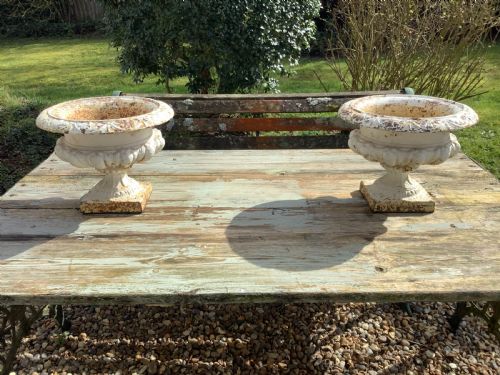


Antique French Garden Urn
An antique french garden urn brings architectural presence to a terrace, and you will mostly find cast iron and terracotta examples here.
Antique French Garden Urn
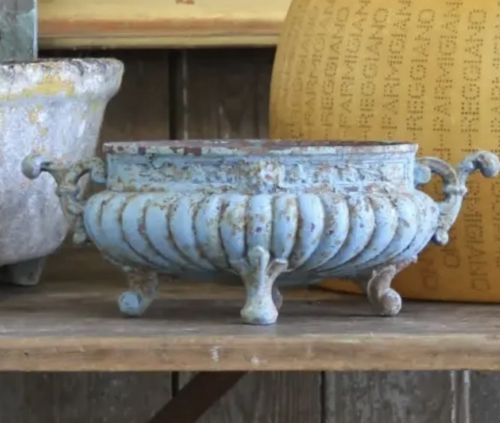
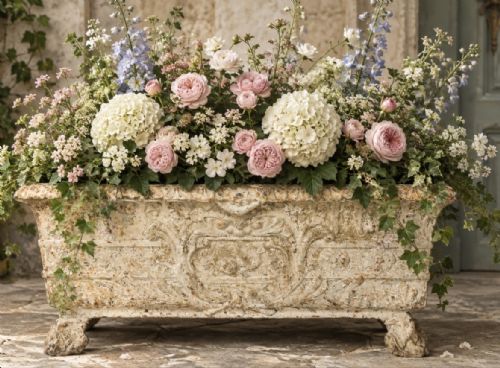
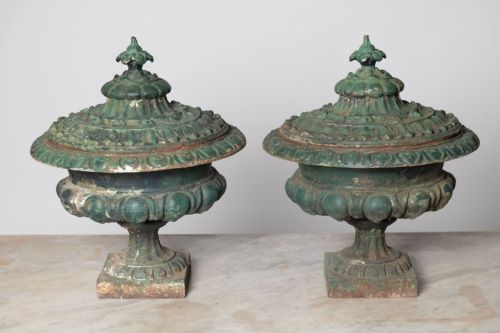
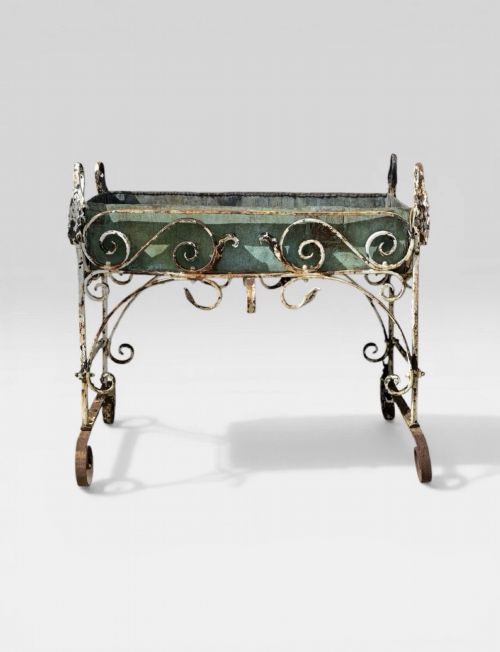
Cast iron and terracotta dominate the offerings, appearing as classical urns, jardinières, planters, and oil jars. You frequently meet pieces bearing patinated surfaces or original paint, often originating from workshops in France.
The objects serve practical planting roles while functioning as sculptural focal points for courtyards, gardens, and patios. Their shapes draw on classical revival and neoclassical motifs, reflecting regional French styles.
How they were made
Makers utilised cast iron for robust classical urns, often pouring the metal into moulds to achieve crisp botanical and figurative detailing. Terracotta pots and jars emerged from regional clay traditions, shaped by hand or wheel before firing.
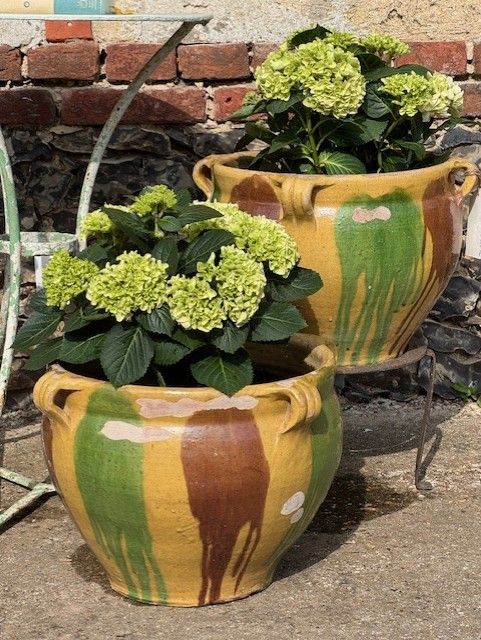
Finishes include original paint, weathered zinc, and dripped glazes that accumulated character over decades of exposure to the elements. Wrought iron elements and marble also appear among the structural materials.
Foundries and potteries applied glazes and patinas that interact with moisture and air, creating the aged surfaces visible today.
Periods represented across the pieces include the nineteenth century, alongside twentieth-century production up to nineteen-sixty.
What varies in quality
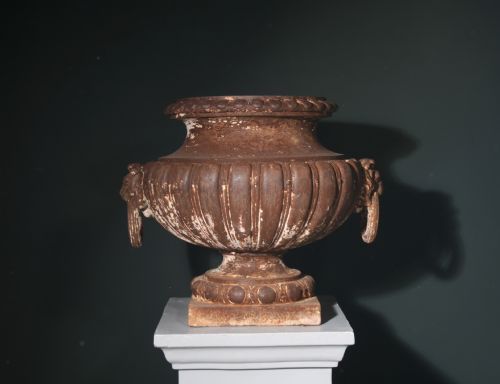
The definition of the casting or the sharpness of the hand-carved terracotta details dictates the visual power of an antique french garden urn. Crisp lines on iron gadrooning or handles separate standard utility vessels from exceptional foundry work.
Surface integrity and the presence of original components, such as lids or matching plinths, elevate certain pieces. The authenticity of the aged patina, whether through weathered paint or natural terracotta weathering, plays a definitive role.
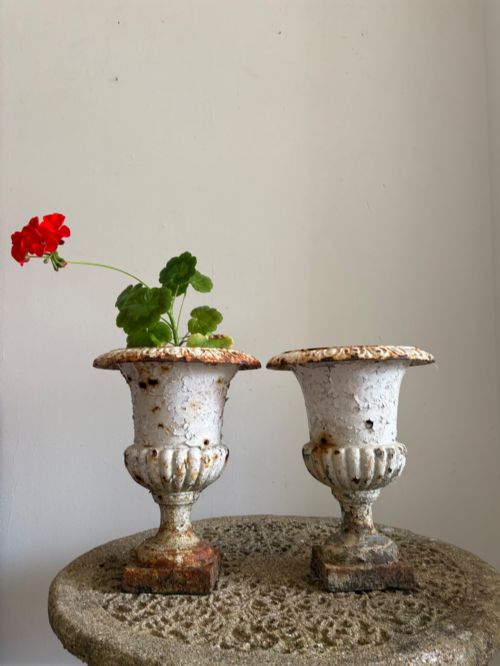
VAL D'OSNE FOUNDRY·Castelnaudary Planters
The Antique French Garden Urn Glossary
- Jardiniere
- An ornamental pot or stand for holding plants or flowers. These vessels often sit on terraces or inside garden rooms.
- Gadrooned
- Decorated with a carved or cast series of convex curves. This pattern frequently edges the rim or bowl of classical urns.
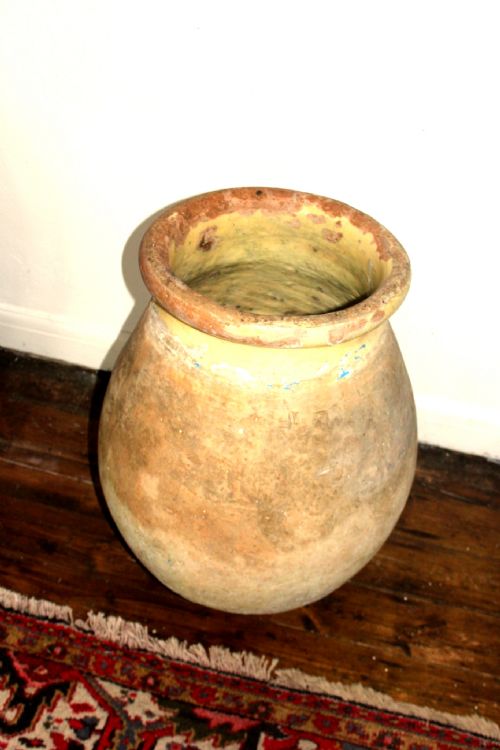
- Biot jar
- A traditional heavy terracotta storage jar originating from the French village of Biot. They were historically used for oil and water.
- Patina
- The surface appearance altered by age, weathering, and use. In garden antiques, this layer of oxidation or wear proves authenticity.
- Medici urn
- A bell-shaped garden vessel on a pedestal, decorated with classical relief scenes. The design stems from sixteenth-century excavations in Italy.
Antique French Garden Urn: Frequently Asked Questions
Can I leave cast iron urns outside all year?
Cast iron handles outdoor conditions well, enduring rain and frost without losing structural integrity.
However, stagnant water inside a planted urn can freeze and expand, so proper drainage remains essential for winter care.
How do I plant directly into terracotta pots?
Terracotta is porous, allowing air and moisture to pass through the walls to the roots of your plants.
Line older or more delicate jars if you need to retain moisture, or use them as cachepots with inner plastic containers.
How do I identify a nineteenth-century piece?
Nineteenth-century pieces typically show heavy casting seams, authentic surface wear, and traditional material compositions like cast iron or regional terracotta.
Foundry stamps and original distressed paint finishes also point toward this era.