




Antique French Garden Chair
An antique french garden chair brings enduring utility and continental charm to patios and lawns, forged from durable metals and woods.
Antique French Garden Chair
An antique french garden chair encompasses seating designed for outdoor use across the nineteenth and twentieth centuries, including folding bistro types, riviera armchairs, and rocking chairs. Buyers search for these pieces to add functional character to exterior spaces using authentic historical forms.
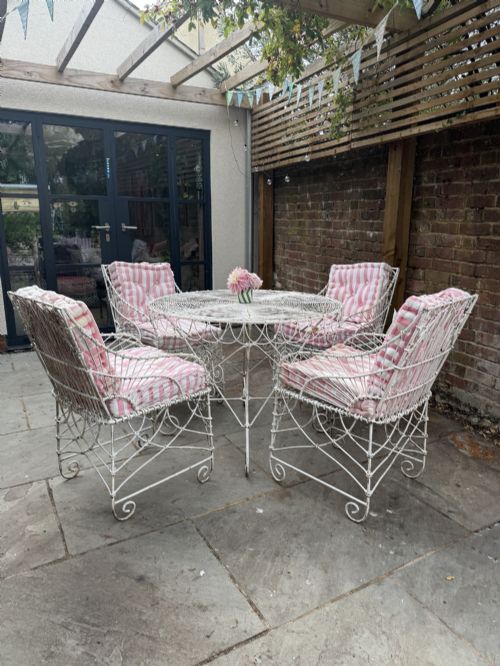
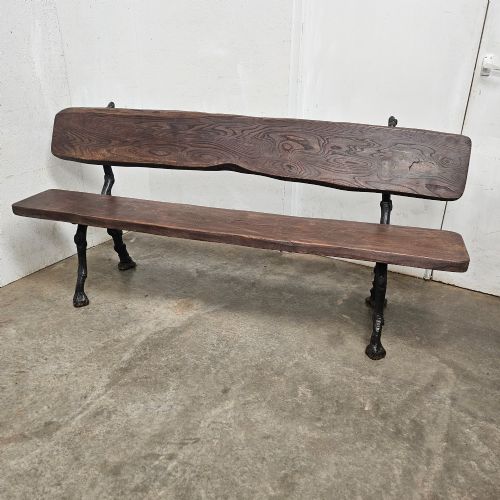
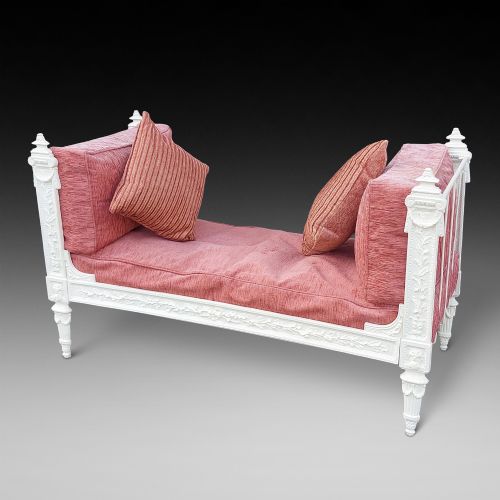
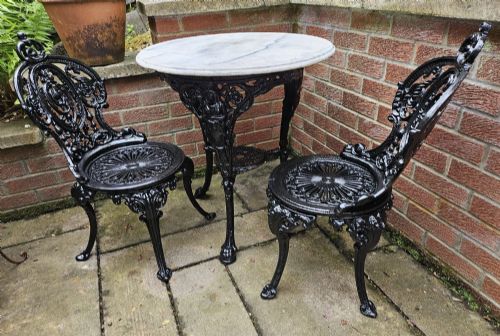
The selections available range from single folding chairs to complete garden sets with tables, along with benches, daybeds, and steamer deck chairs. Most pieces trace their origins to the nineteenth century, the Victorian era, and early decades of the twentieth century like 1920 and 1930.
How They Were Made
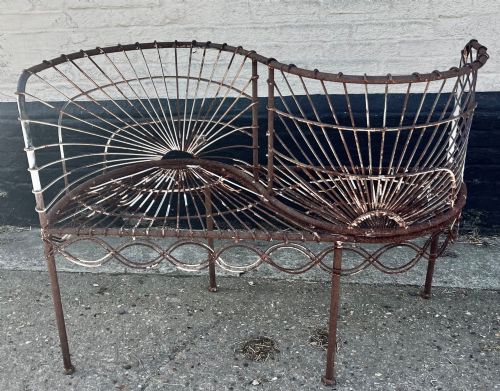
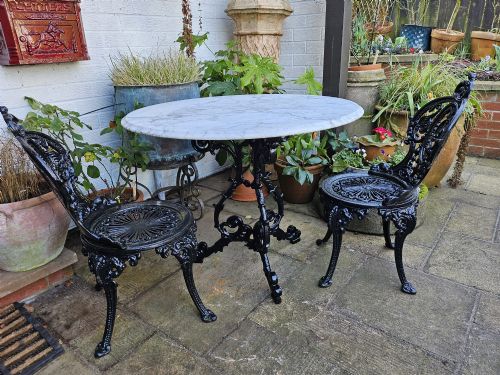
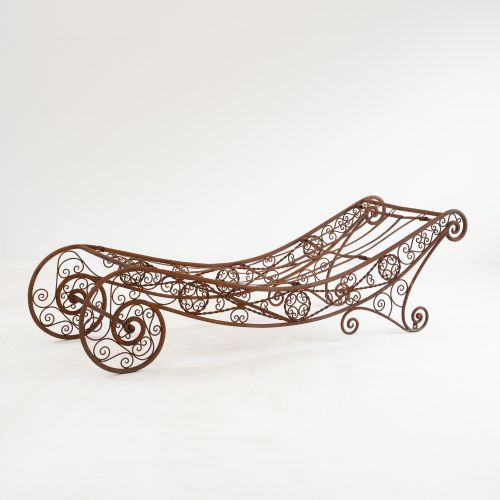
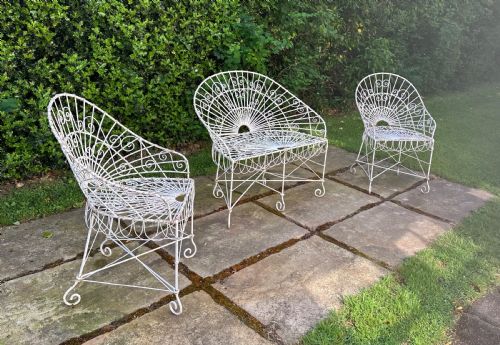
These items rely heavily on metals such as wrought iron, cast iron, and wirework, often shaped into sturdy frames, lattice patterns, and decorative supports. Artisans also incorporated elm, marble, leather, and fabric elements for specific seating surfaces and table tops.
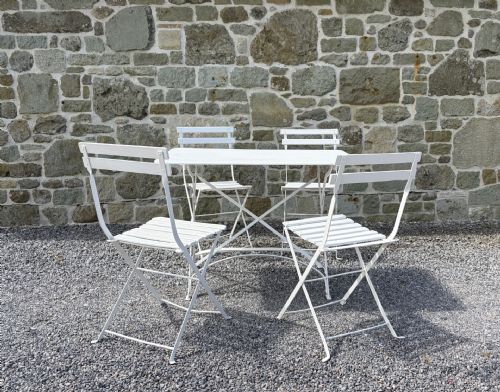
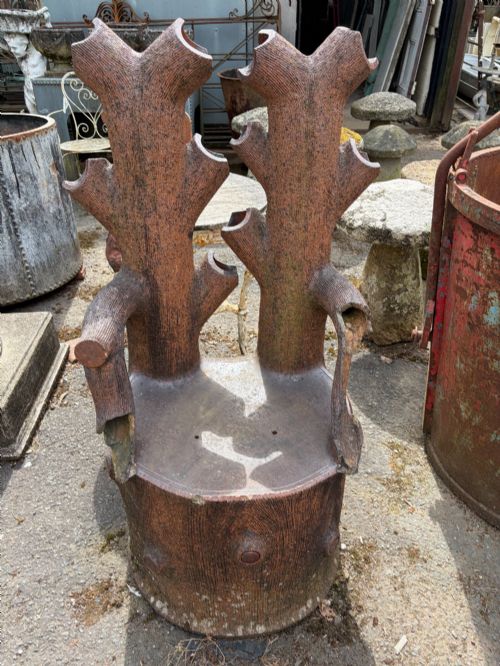
Construction methods varied from folding iron frameworks designed for easy storage to heavy cast iron components cast with gothic or art deco detailing. Faux bois techniques were utilised to create iron and elm benches that mimicked natural wood textures.
Antique French Garden Chair Retail Price Guide 2026
Typical asking prices for french garden chair among the pieces listed under this phrase on Sellingantiques today, from the lower quarter to the upper quarter. They describe what is for sale here now, not the wider market.
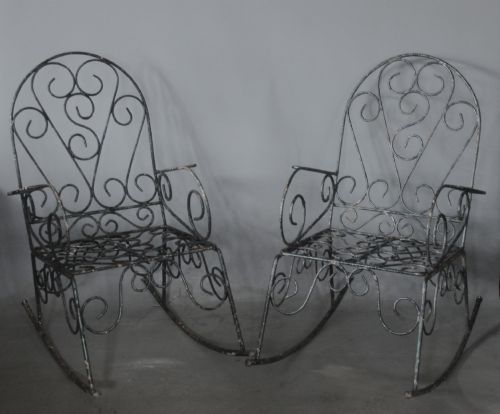
Some chairs actually rock, proving that nineteenth-century French makers knew a bit about garden relaxation.
What Varies in Quality
Quality differences emerge in the complexity of the ironwork, distinguishing simple folding bistro frames from elaborate cast iron gothic designs or matched architectural settings. The presence of integrated elements like large marble tops or specialised rocking mechanisms elevates specific pieces above standard utility models.
Material combination also defines the standard, such as items pairing french elm with iron framing or incorporating intricate wirework. Preservation of original painted surfaces and structural integrity across nineteenth-century and early twentieth-century examples marks the higher tier of these garden furnishings.
Val D Osne
The Antique French Garden Chair Glossary
- Wrought iron
- Iron that has been heated and worked with tools, known for its malleability and strength in creating curved garden chair frames.
- Cast iron
- Metal poured into a mould to create rigid components, frequently utilised for decorative patio sets and heavy bench supports.
- Faux bois
- An artistic imitation of wood grain applied to hard materials like iron and elm, seen on nineteenth-century garden benches.
- Wirework
- Metal strands manipulated into intricate open lattices and mesh patterns, characteristic of Victorian garden furniture.
- Bistro set
- A matched combination of a small table and folding chairs designed for compact outdoor dining spaces.
Antique French Garden Chair: Frequently Asked Questions
Are these chairs suitable for outdoor use?
These metal and timber furnishings were built specifically for exterior environments, utilising robust materials like wrought and cast iron to withstand the elements. Many pieces retain protective painted finishes that help guard against weathering.
Appropriate seasonal storage or protective covers will help preserve nineteenth and early twentieth-century ironwork and wooden elements when winter weather arrives.
How do I identify a bistro set?
Bistro sets typically comprise a compact table paired with folding chairs designed for easy relocation and storage. The evidence shows these often feature iron construction suited for pavement or garden dining.
Such configurations emerged strongly in early twentieth-century French café and domestic culture, offering practical seating that easily folds flat.
How do I date an iron garden chair?
Dating relies on stylistic markers and manufacturing methods, shifting from nineteenth-century cast iron gothic designs and wirework to 1920s art deco and folding bistro formats. Victorian examples often display heavier cast components or detailed lattice patterns.
Examining construction techniques, material choices like elm or marble, and documented period styles helps place an item within the nineteenth or early twentieth century.