

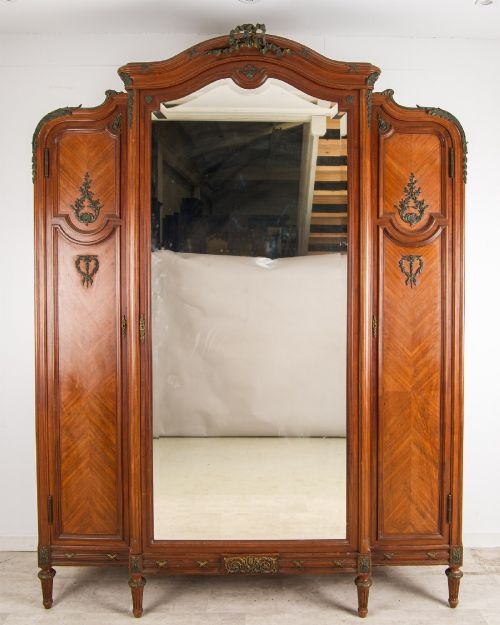


Antique French Door Mirror
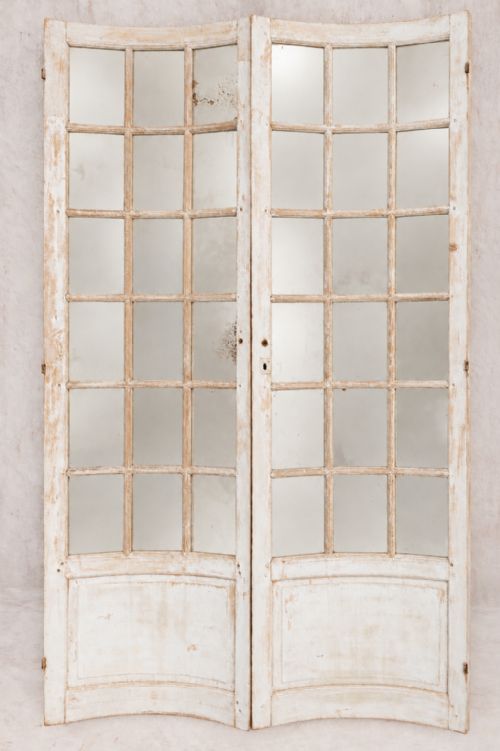
An antique french door mirror brings depth to a room through tall mirrored panels set into timber armoires and cabinets.
Antique French Door Mirror
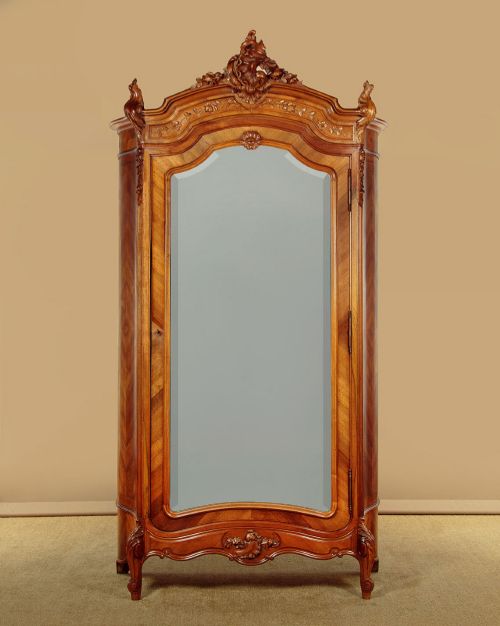
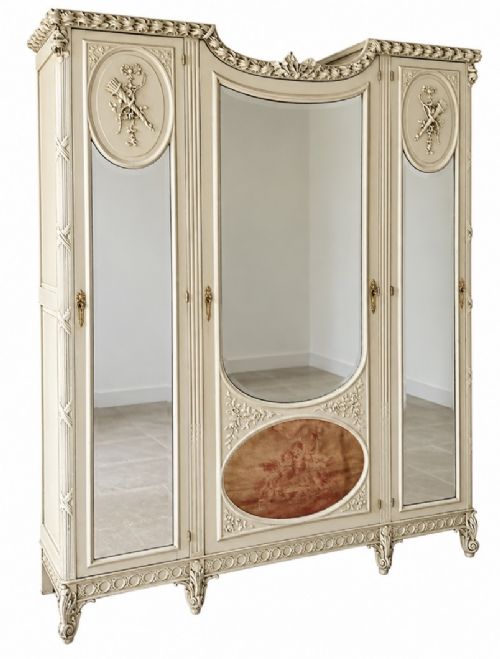
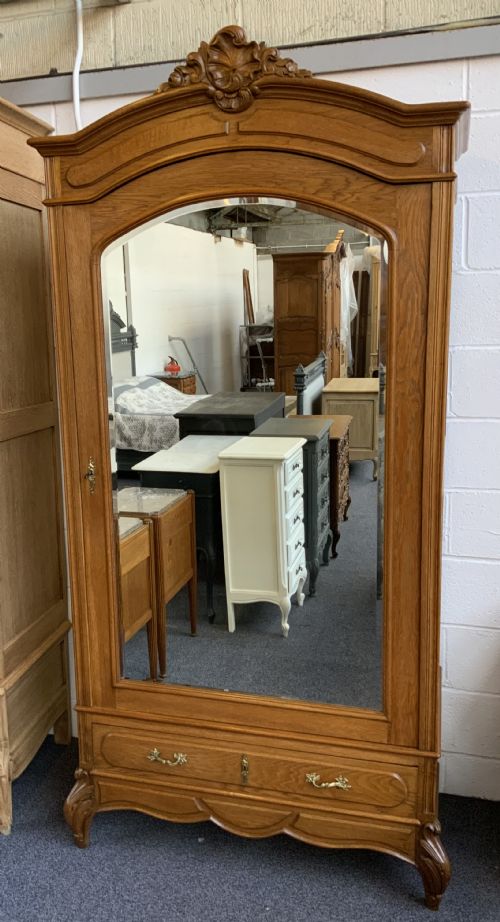
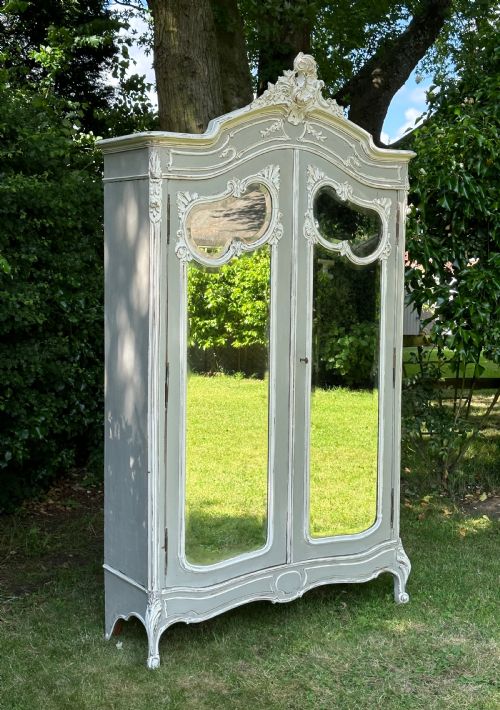
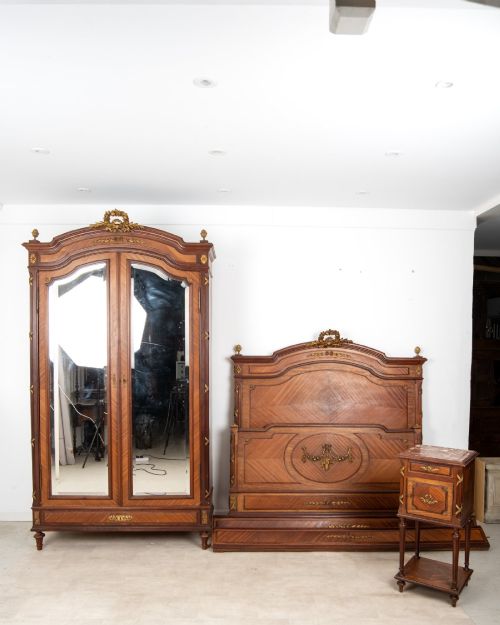
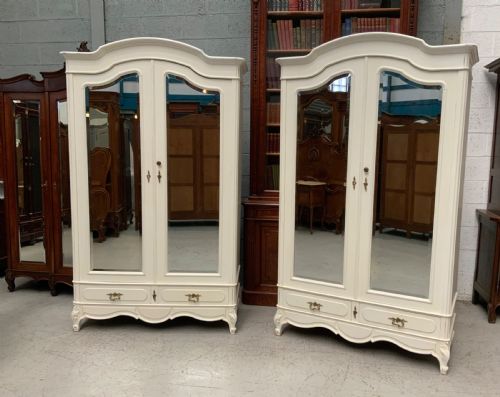
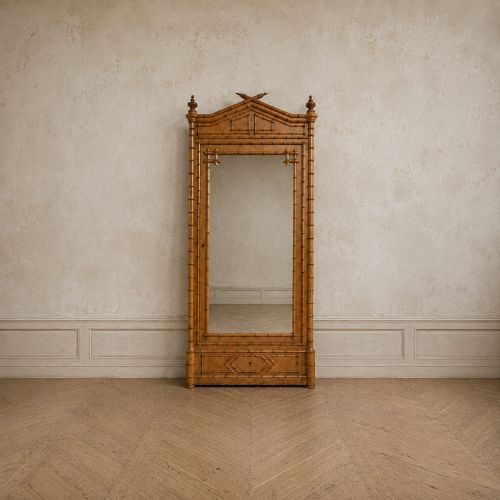
When searching for an antique french door mirror, buyers generally encounter large bedroom furniture and storage pieces built in France during the nineteenth and early twentieth centuries. These pieces typically take the form of tall armoires and wardrobes featuring full length mirrored glass set into timber doors, alongside occasional side cabinets and credenzas.
The selection on this page draws from several distinct periods, ranging from mid nineteenth century examples through Edwardian pieces and into the 1920s. Common timber varieties include mahogany, walnut, and oak, alongside painted finishes and specialist woods such as bird's eye maple and rosewood.
Stylistic influences span from French Provincial and French Chateau designs to formal Louis XVI Revival and Empire styles. Many of these large storage items incorporate mirrored panels specifically to reflect light and create a sense of space within domestic interiors.
How they were made
Cabinet makers utilised dense hardwoods including mahogany, walnut, and oak for the structural frames and paneling of these large storage items. Selected pieces incorporate decorative veneers like bird's eye maple or parquetry patterns set across the front surfaces.
Metal mounts cast in ormolu, gilt bronze, and brass provide decorative accents around the doors and cornices. Glass panels are integrated directly into timber framing to form the mirrored doors characteristic of the period.
Antique French Door Mirror Retail Price Guide 2026
Typical asking prices for french door mirror among the pieces listed under this phrase on Sellingantiques today, from the lower quarter to the upper quarter. They describe what is for sale here now, not the wider market.
The listings span from 1860 to the 1920s, showing a transition from Victorian burr walnut to bleached oak and Art Deco forms.
What varies in quality
The refinement of the decorative mounts and the execution of carved wooden details distinguish finer examples from standard production. Pieces adorned with cast ormolu, gilt bronze, or intricate parquetry display a higher degree of workshop skill than plain timber constructions.
Proportion and scale also define the hierarchy among these storage items. Grander examples with substantial proportions, balanced architectural cornices, and properly fitted mirrored doors represent the more ambitious output of period cabinet makers.
JEAN FAURE·Mercier
The Antique French Door Mirror Glossary
- Armoire
- A large freestanding wardrobe or cupboard used for clothing storage. These tall items often incorporate mirrored doors and decorative timber framing.
- Ormolu
- Gilded bronze applied as a decorative mount on furniture. This metalwork adds metallic contrast to mahogany and walnut cabinet surfaces.
- Credenza
- A sideboard or cabinet designed for storage and display. Nineteenth century examples occasionally feature mirrored backs or glass doors.
- Parquetry
- Geometric wood mosaic work used for decorative surface patterns. Cabinet makers applied these timber veneers to cabinet doors and panels.
- Pier Cabinet
- A narrow cabinet designed to fit against wall spaces between windows. These pieces frequently incorporate mirror glass and brass mounts.
Antique French Door Mirror: Frequently Asked Questions
What rooms suit an antique french door mirror?
These large storage pieces fit well in bedrooms and dressing areas where full length mirrors and generous wardrobe space are practical necessities.
In larger reception rooms or hallways, the mirrored panels help bounce natural light around the space while providing substantial decorative presence.
How do you date an antique french door mirror?
Dating relies upon stylistic markers such as Louis XVI Revival proportions, Empire details, or the cleaner lines associated with nineteen twenties pieces.
Material choices like burr walnut, bleached oak, and specific bronze mounts also point toward distinct decades within the nineteenth and twentieth centuries.
How were these large armoires constructed?
Cabinet makers built these pieces using solid timbers and supportive internal carcases designed to hold heavy mirrored glass doors safely.
Many examples were constructed to be dismantled for transport, utilising pegged joints or screw fittings to manage their substantial proportions.
How do you care for the mirrored glass?
Original mirror glass requires gentle cleaning with standard glass solutions applied to a cloth rather than sprayed directly onto the frame.
Avoiding excessive moisture prevents damage to the timber surrounds and protects the silvered backing behind the antique glass panels.