



Antique French Cross
An antique french cross brings centuries of devotional and decorative history into a room, spanning wall-hung altar pieces and delicate gold pendants.
Antique French Cross
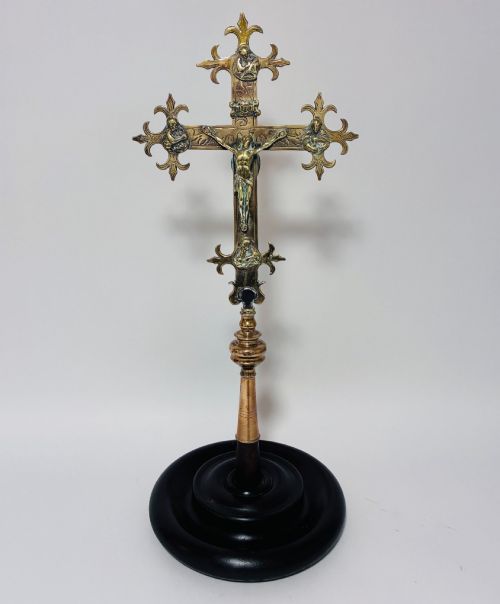
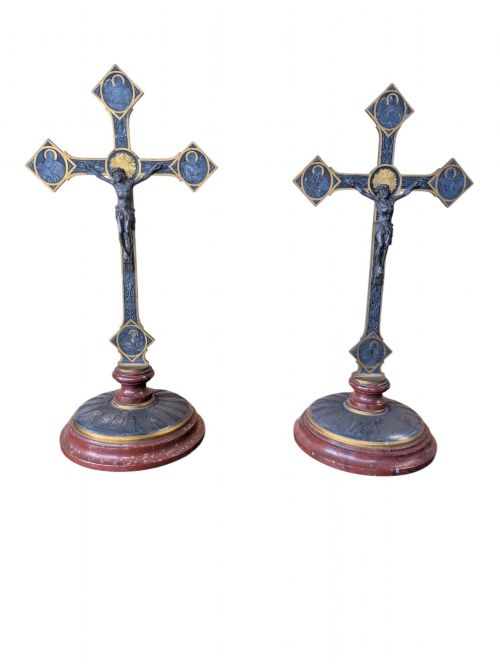
An antique french cross encompasses devotional objects such as altar crosses and crucifixes, alongside personal jewellery like pendants and charms. The pieces found here range from 17th-century boxwood figures to late 19th-century gilt metal examples.
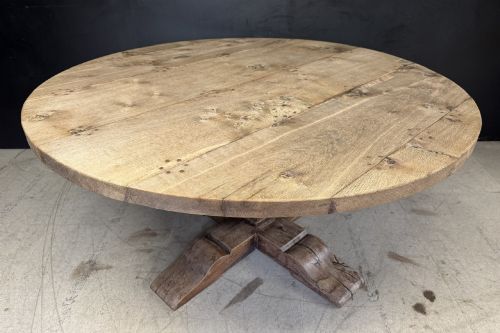
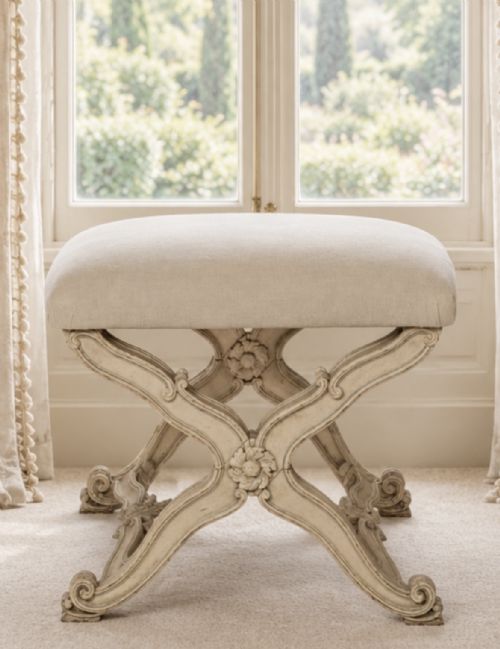
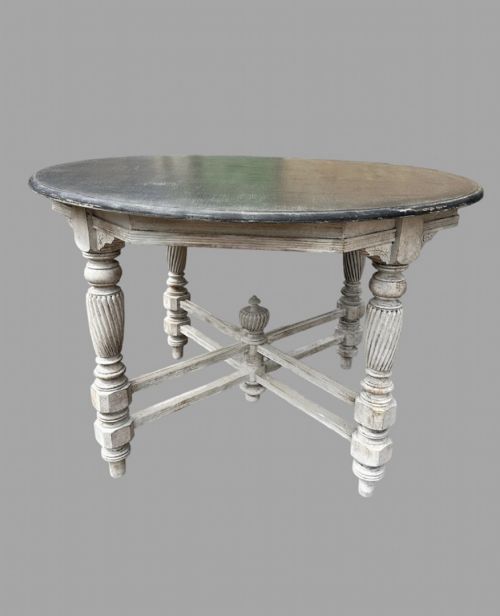
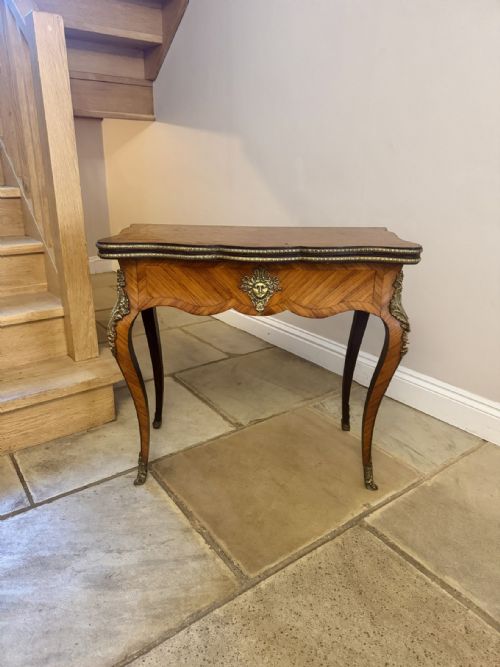
The material evidence also extends into decorative applications where the cross form influences furniture detailing, such as cross-banded card tables and X-frame stools.
Materials and construction methods
Woodworking forms a primary method of construction, utilising boxwood, olive wood, walnut, rosewood, and kingwood. Artisans shaped these timbers for structural crosses and applied decorative veneers like cross-banding to table surfaces.
Metalwork and casting define the heavier devotional pieces, employing bronze, brass, ormolu, gilt metal, and silver plate. Enamel work frequently adds colour and detail to smaller pendants and gold medals.
Antique French Cross Retail Price Guide 2026
Typical asking prices for french cross among the pieces listed under this phrase on Sellingantiques today, from the lower quarter to the upper quarter. They describe what is for sale here now, not the wider market.
The selection spans devotional pieces like altar crosses and crucifixes to personal jewellery including coral and seed pearl pendants.
Assessing quality in execution
Quality rests in the crispness of the casting on metal crucifixes and the precision of the carved corpus figures on wooden altar crosses. Finer items display careful hand-chiselling on bronze and clear grain selection in hardwoods.
In jewellery and pendants, the depth of the enamel work and the purity of the yellow gold separate standard production from superior pieces. For furniture incorporating cross elements, veneer alignment and stability determine the standard.
The Antique French Cross Glossary
- Corpus Christi
- The figure of Christ attached to a cross or crucifix. This sculptural element is often carved from boxwood or cast in metal.
- Cross-banding
- A decorative border technique where veneer is laid perpendicular to the grain of the main surface. Cabinetmakers utilised this on card tables and commodes.
- Ormolu
- Gilt bronze produced by applying a mercury-gilding process to a bronze base. This technique creates a rich golden surface found on 19th-century French decorative objects.
- Altar cross
- A freestanding devotional cross designed for placement on a church or chapel altar. These pieces frequently incorporate a stepped base.
- X-frame
- A structural furniture design utilising intersecting diagonal supports shaped like the letter X. This form appears on chairs and stools from the 19th century.
Antique French Cross: Frequently Asked Questions
What is an antique french cross made from?
These pieces incorporate a range of materials depending on their original purpose. Devotional items often feature boxwood, olive wood, hardwood, bronze, brass, or silver plate.
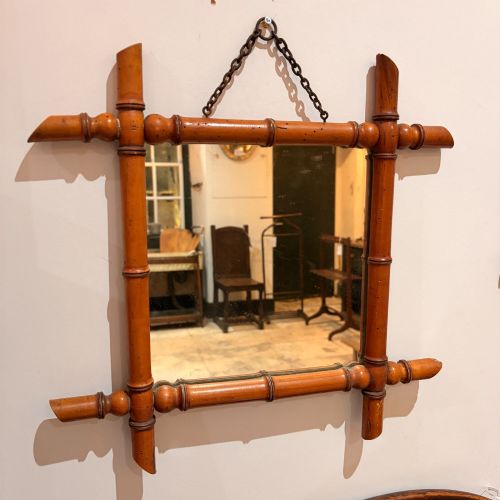
Personal pendants utilise 18K yellow gold, enamel, and coral, while furniture and mirrors employ walnut, rosewood, kingwood, and gilt metal.
How were altar crosses used?
Altar crosses served a central devotional function in religious settings and private chapels. They stood upon altars as focal points for prayer and liturgy.
Larger wooden and patinated metal examples often included a fitted base for stable placement on flat surfaces.
How do I care for wooden crosses?
Wooden devotional objects require stable environmental conditions away from direct heat and strong sunlight. This prevents the timber and applied gesso from drying out.
Gentle dusting with a dry cloth is generally sufficient for maintenance, avoiding harsh chemical polishes that might damage historic patination.
Are pendants marked with gold purity?
Some smaller personal pieces, such as 19th-century and 1920s pendants and medals, feature specific gold standards like 18K yellow gold.
Not all items carry legible hallmarks due to wear or their small scale, requiring stylistic analysis to determine the period.