




Antique French Closet
An antique french closet brings substantial storage and distinct continental character to a room.
Antique French Closet
When you search for an antique french closet, you are looking at large wooden wardrobes and armoires originating from France across the eighteenth, nineteenth, and early twentieth centuries. These pieces served as the primary storage furniture for bedrooms before built-in closets became standard in modern housing.
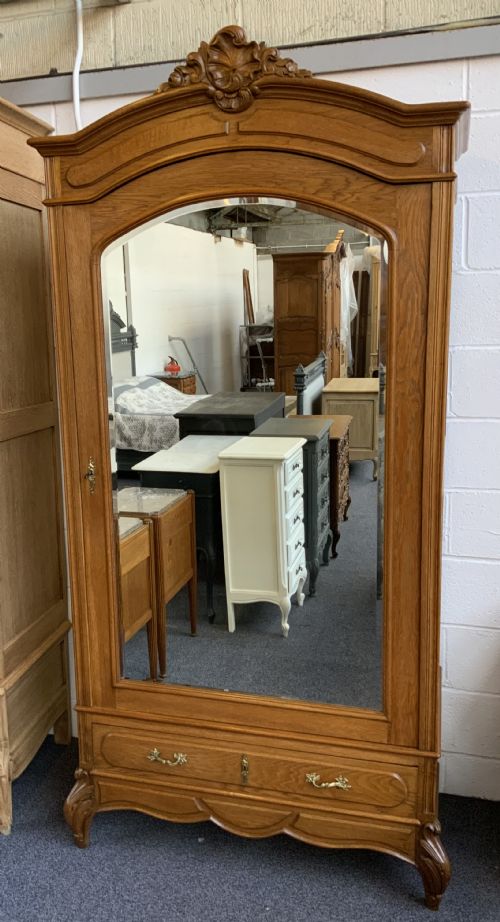
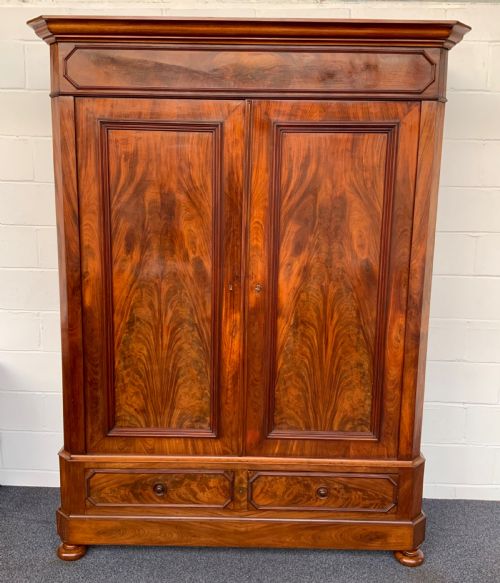
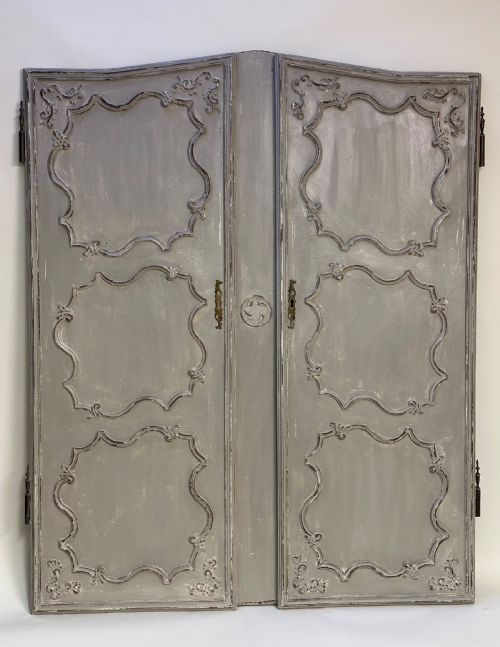
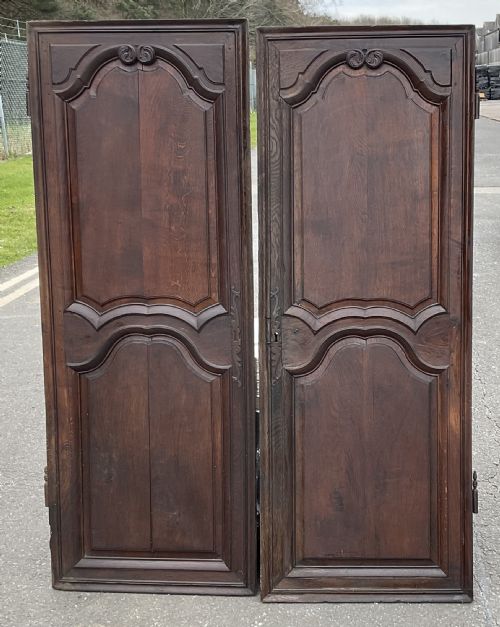
The selection on this page relies heavily on nineteenth and early twentieth-century examples, ranging from provincial oak pieces to refined mahogany and burr walnut designs. You will encounter single and double door formats, alongside architectural elements like salvaged cabinet doors.
Stylistic influences span from rustic French provincial and Louis XVI formality to striking Art Deco lines. This variety allows the furniture to suit both traditional period interiors and more contemporary spaces requiring a strong focal point.
Materials and construction
Cabinet makers utilised a range of dense hardwoods including oak, walnut, mahogany, and burr walnut, often pairing the timber with iron hardware and brass detailing. Surviving examples demonstrate traditional joinery techniques suited to the sheer scale of the cabinetry.
Surface treatments vary widely from natural waxed grains and bleached finishes to painted surfaces and intricate hand-carved panels. Glass inserts and specialised metallic accents occasionally appear to lighten the heavy timber facade.
Antique French Closet Retail Price Guide 2026
Typical asking prices for french closet among the pieces listed under this phrase on Sellingantiques today, from the lower quarter to the upper quarter. They describe what is for sale here now, not the wider market.
Listings span from the eighteenth century through to the nineteen-twenties, incorporating oak, walnut, mahogany, brass, and glass.
Judging the standard
Quality in these pieces rests primarily on the integrity of the timber selection and the depth of the hand-carving. Pieces utilising finely figured flame mahogany or burr walnut display a richer visual texture than standard utility grades.
The sophistication of the period styling, whether strict Louis XVI symmetry or defined Art Deco geometry, dictates the refinement of the piece. Integrated brass mounts and well-preserved original hardware elevate the overall execution of the carpentry.
JEAN FAURE
The Antique French Closet Glossary
- Armoire
- A tall cupboard or wardrobe, traditionally used for storing clothes. French versions frequently feature large double doors and deep internal hanging space.
- Art Deco
- A design style prevalent in the early twentieth century characterised by sleek geometric shapes, streamlined forms, and sophisticated material combinations.
- Louis XVI
- A neoclassical style marked by straight lines, restrained symmetry, and classical architectural motifs originating in eighteenth-century France.
- Burr Walnut
- Timber taken from the growth excrescence on a walnut tree, yielding a highly swirled and mottled grain pattern prized for decorative veneering.
Antique French Closet: Frequently Asked Questions
What is an antique french closet?
These pieces are large freestanding wardrobes and armoires built in France to provide substantial clothing storage before fitted closets existed.
They range from rustic provincial oak cupboards to polished mahogany and walnut cabinets reflecting distinct historical periods.
How do I identify the period?
Period identification relies on observing the decorative styles and timber treatments, such as classical Louis XVI symmetry or twentieth-century Art Deco geometry.
Dates span from eighteenth-century architectural doors to nineteen-twenties modernism.
Are these wardrobes easy to assemble?
Many traditional French armoires were constructed to be dismantled for transport, using pegged joints or knock-down frames.
Buyers should examine the specific construction method of each piece to understand its installation requirements.
How do I live with one?
These substantial pieces require adequate wall space and ceiling height to accommodate their impressive proportions in a modern bedroom or hallway.
Internal configurations often require the addition of hanging rails or adjustable shelving to suit contemporary clothing storage needs.