


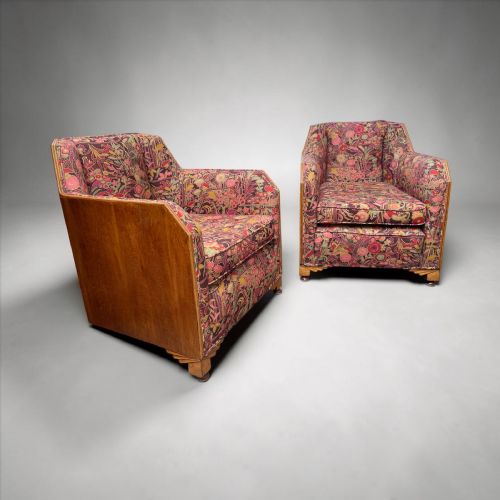
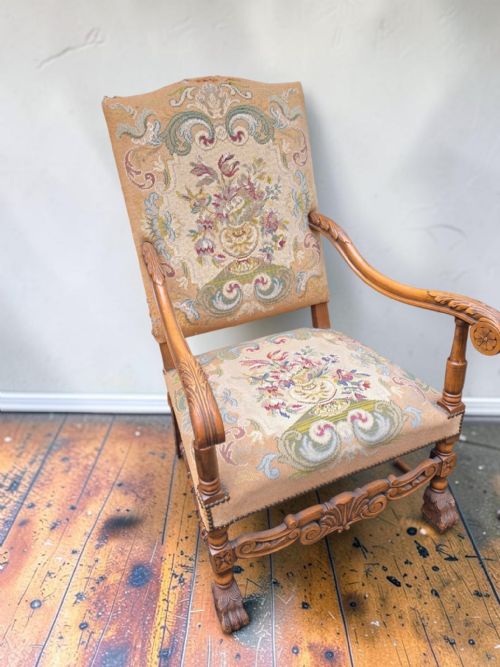
Antique French Accent Chair
These antique french accent chair pieces bring period seating into a room, offering historic forms and traditional upholstery.
What these pieces are
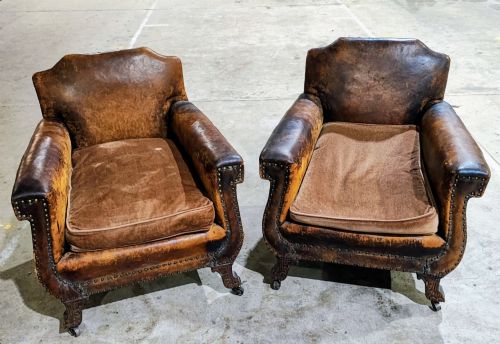
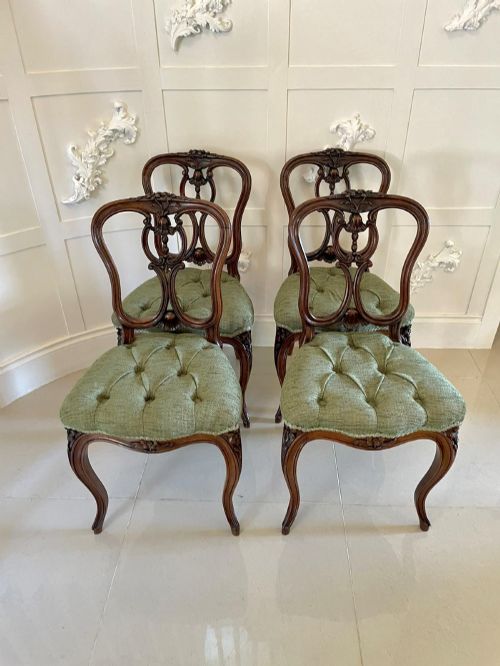
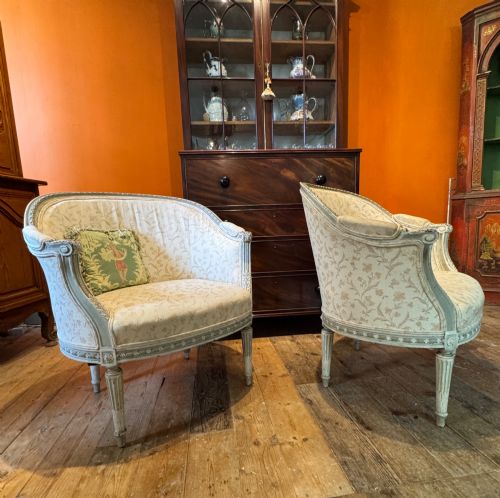
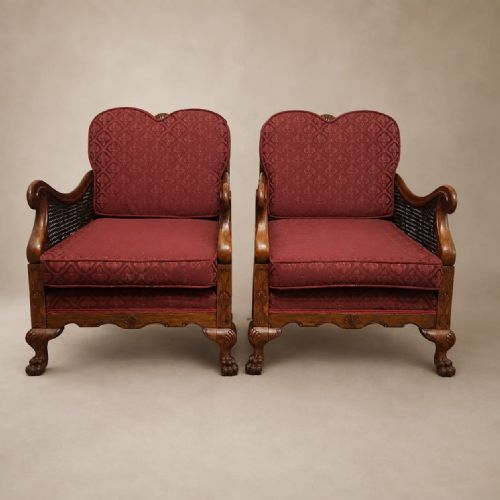
An antique french accent chair represents period seating designed to sit apart from main suites, functioning as decorative and functional furniture. The selections on this page span the nineteenth century, including pieces dated to eighteen seventy and nineteen hundred.
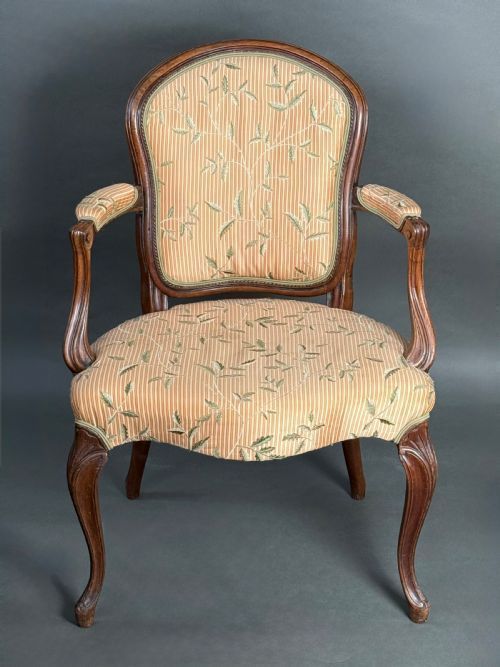
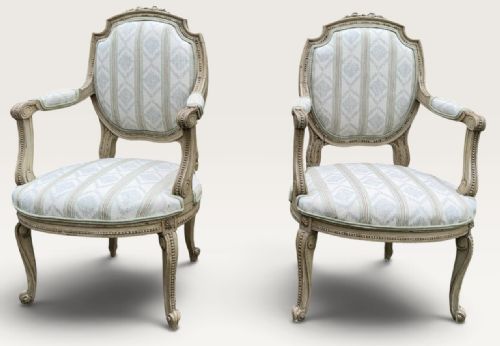
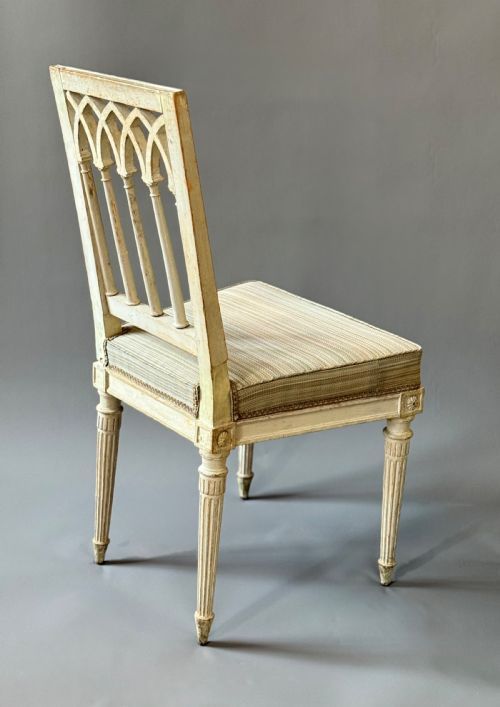
The form appears as armchairs and fauteuils, alongside pairs of chairs supplied ready for upholstery. Origins trace to French workshops working within revival and historicism frameworks.
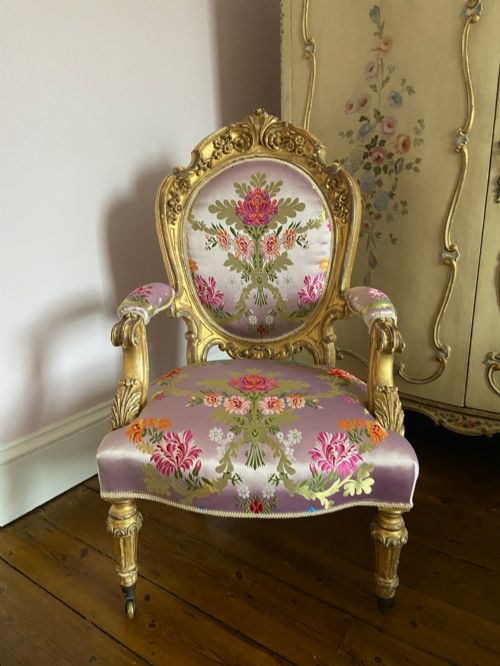
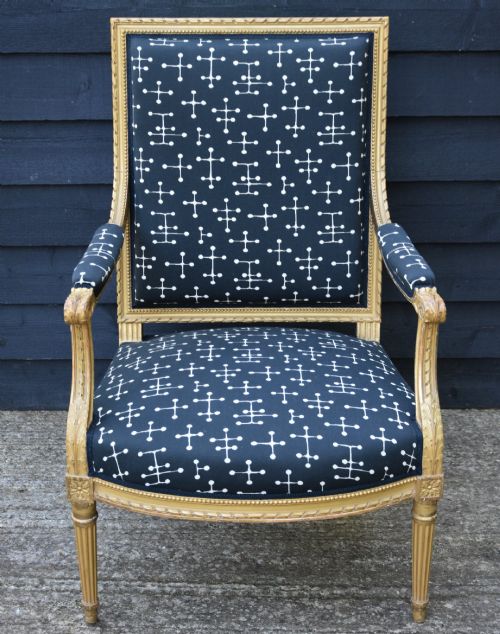
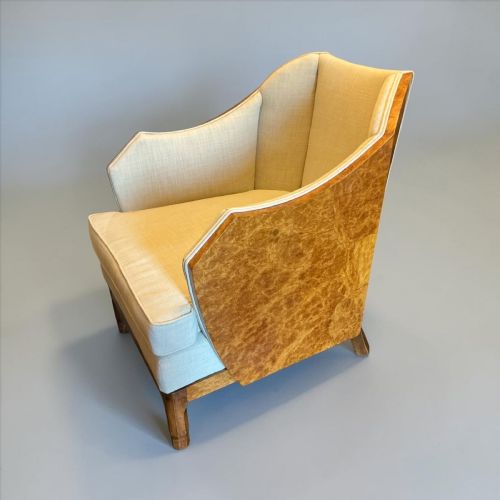
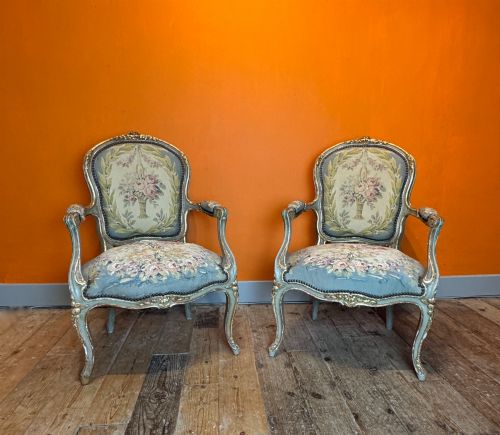
Buyers encounter distinct design vocabularies ranging from plain timber frames to heavily carved giltwood structures. Each armchair reflects the prevailing taste of its decade of origin within the nineteenth century.
How they were made
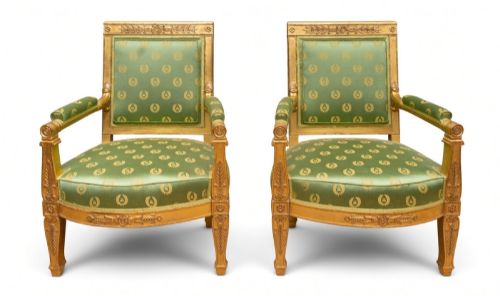
Construction relies upon timber frameworks shaped by hand, utilising traditional joinery methods appropriate to the nineteenth century. Woods include giltwood, where a thin layer of gold leaf is applied over a prepared surface.
Upholstery techniques involve textile coverings and fabric secured to internal padding systems. Metal components such as brass appear as structural or decorative fixings on specific frames.
Retail Price Guide 2026
Typical UK retail prices for french accent chair, calculated from the Sellingantiques database of over a million retail prices indexed since 2003. This retail price guide relies exclusively on Sellingantiques data; no external sources or auction records are used, so the figures do not describe the wider market.
Some chairs arrive completely naked of fabric, patiently waiting for someone to give them a modern textile makeover.
What varies in quality
The standard of carving and gilding dictates the visual hierarchy among these armchairs, separating simpler timber frames from elaborate giltwood creations. Surface ornamentation reveals the skill level of the original carver and the cost of materials invested.
The structural integrity of the wood and the completeness of original upholstery foundations define the physical condition. Pieces requiring complete re-upholstery present a different proposition to finished armchairs retaining period textiles.
The Antique French Accent Chair Glossary
- Fauteuil
- An open-armed upholstered armchair with exposed wooden sides, originating in France. This form provides a lighter visual weight than a fully padded upholstered chair.
- Giltwood
- Timber coated with gold leaf or powder, frequently utilised on ornate nineteenth century frames. It creates a reflective, brilliant surface finish.
- Louis XIV Style
- A revival design aesthetic drawing upon seventeenth-century grandeur, characterised by symmetry and bold carving. Pieces in this style display formal classical restraint.
- Napoleon III
- A French nineteenth century design period embracing eclectic revivals and rich ornamentation. It draws inspiration from various historical epochs.
Frequently Asked Questions
What is a fauteuil?
A fauteuil is an open-armed French armchair featuring wooden armrests left partially exposed. These seats were designed for formal reception rooms.
They combine structural woodwork with upholstered seats and backs, offering both comfort and decorative presence.
How do I date an armchair?
Dating relies upon stylistic markers, construction methods, and materials recorded in the specific piece. Nineteenth century examples often exhibit revival characteristics.
Comparing carved details against documented periods helps establish an approximate decade of manufacture.
Where should I place an accent chair?
An accent chair works well in corners, bedrooms, or alongside living room sofas to introduce a contrasting silhouette. It functions as a standalone decorative element.
Ensure the scale of the armchair matches the surrounding furniture and proportions of the room.
What does giltwood mean?
Giltwood refers to wood surfaces covered with a very thin application of gold leaf. This technique enhances the decorative appeal of formal seating frames.
It was widely utilised during the nineteenth century to achieve a luxurious metallic finish on revival furniture.