

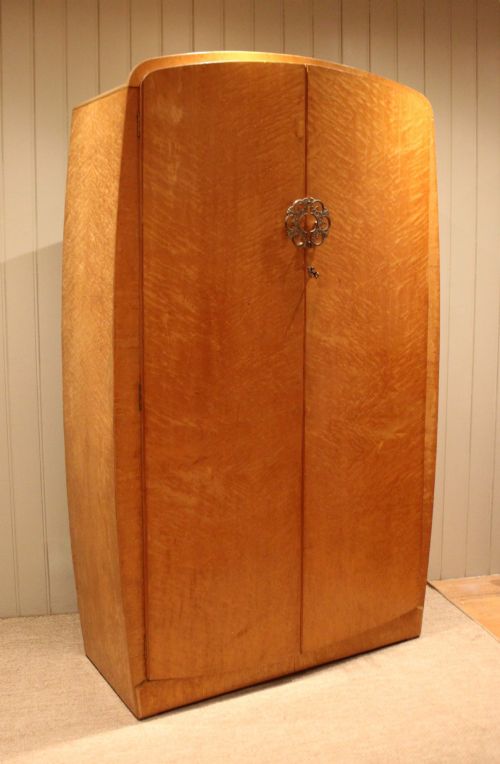
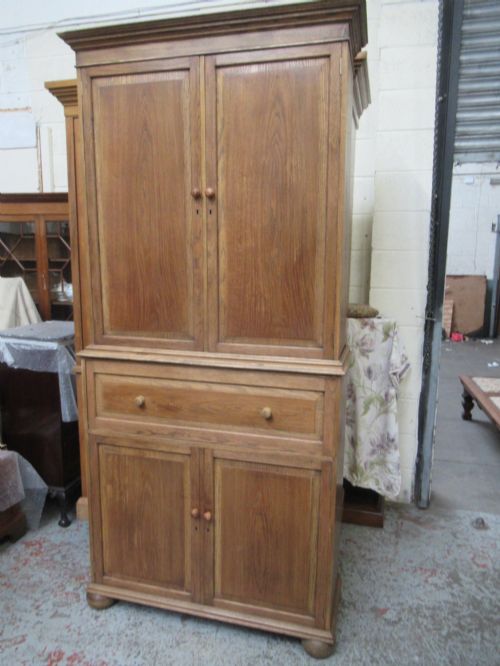
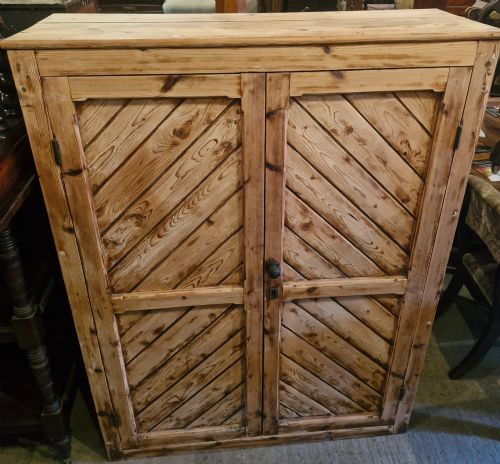
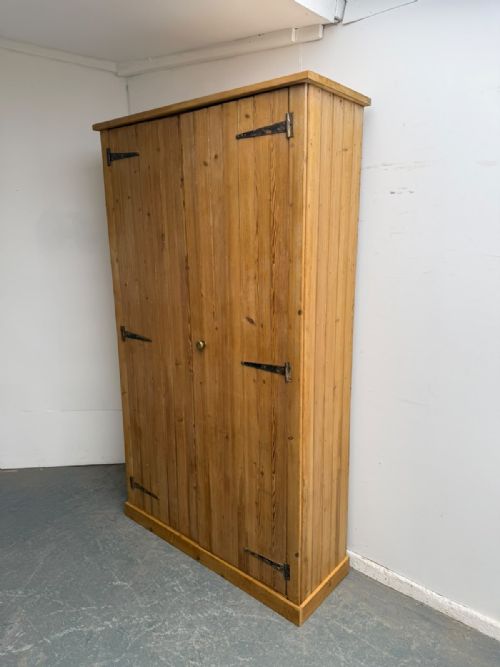
Antique Freestanding Wardrobe
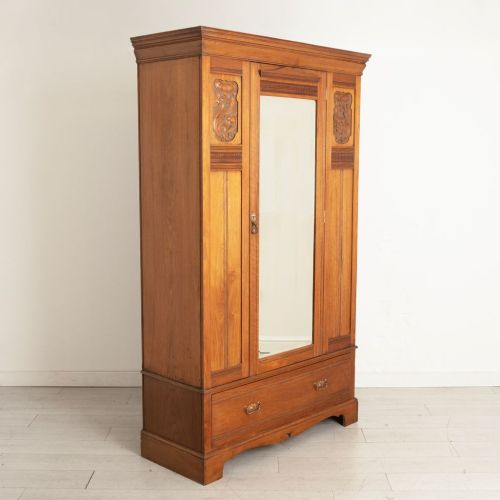
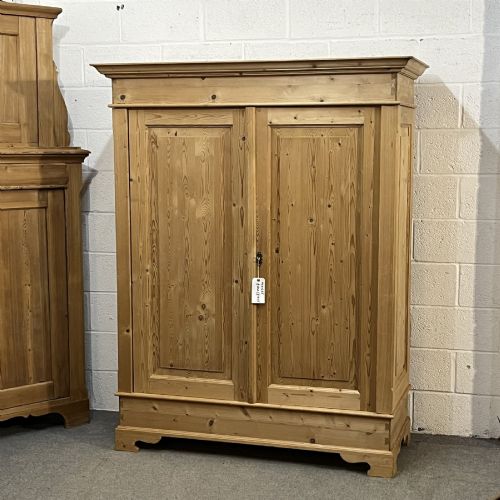
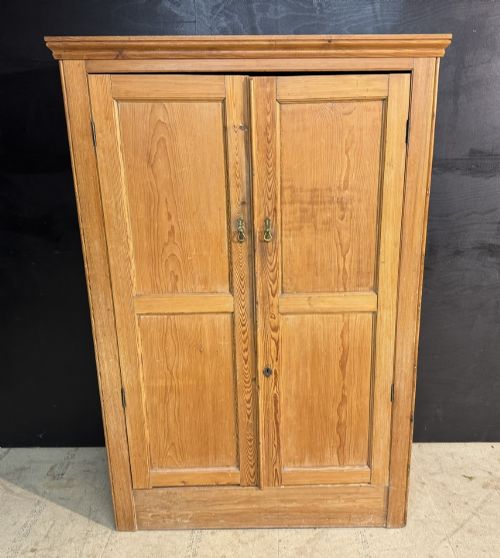
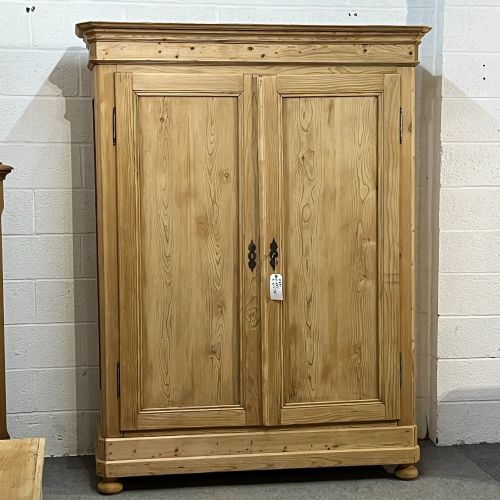
An antique freestanding wardrobe offers proper scale and substance, bringing timber character and practical hanging space to a bedroom without fitted units.
Antique Freestanding Wardrobe
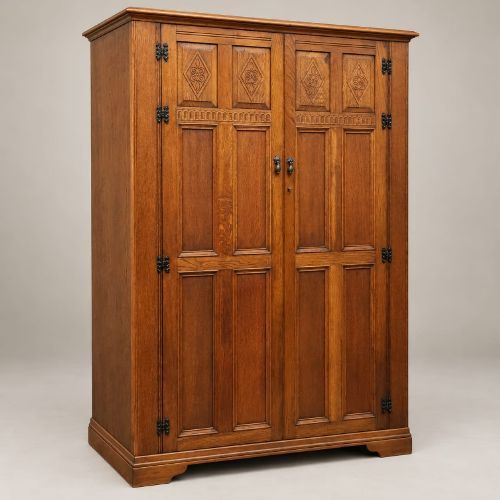
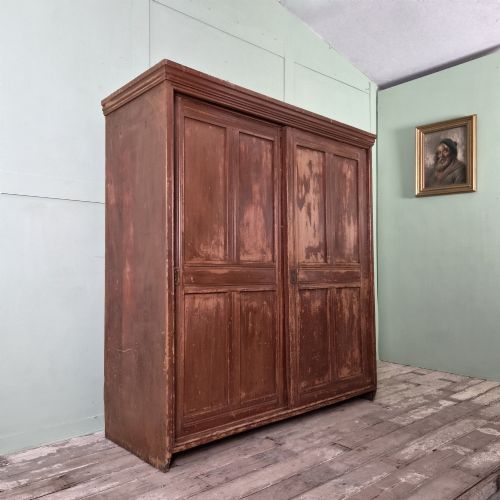
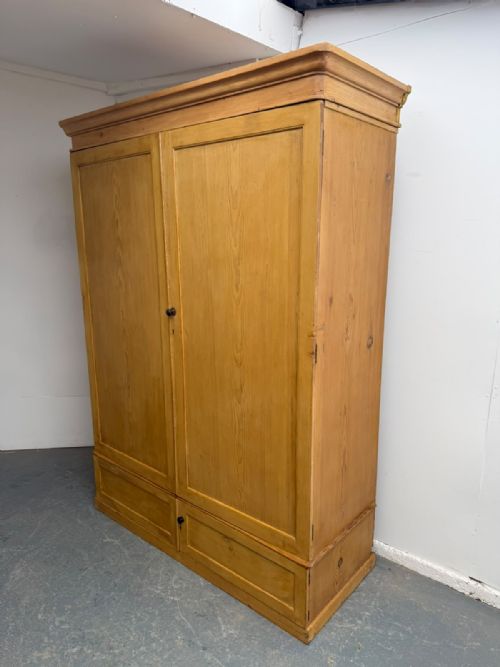
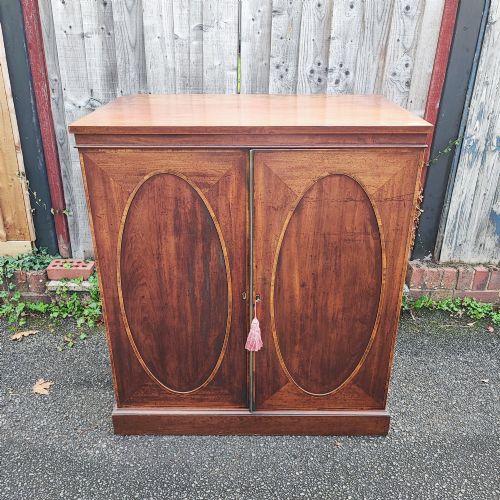
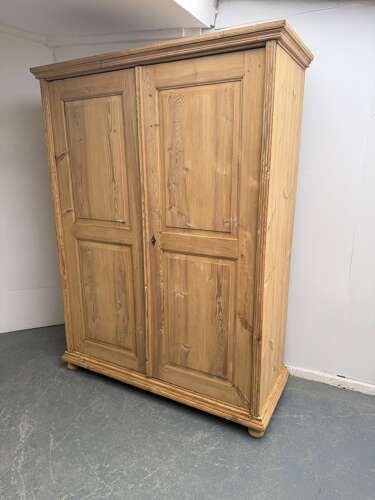
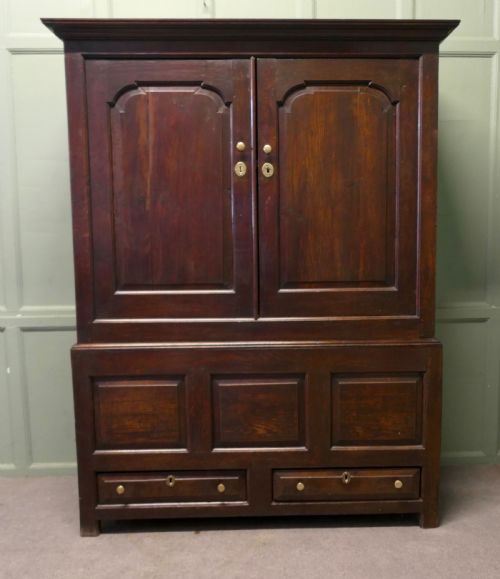
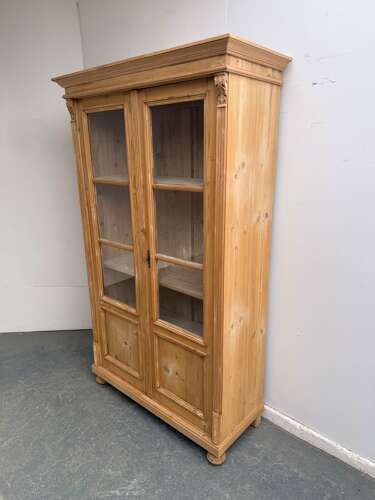
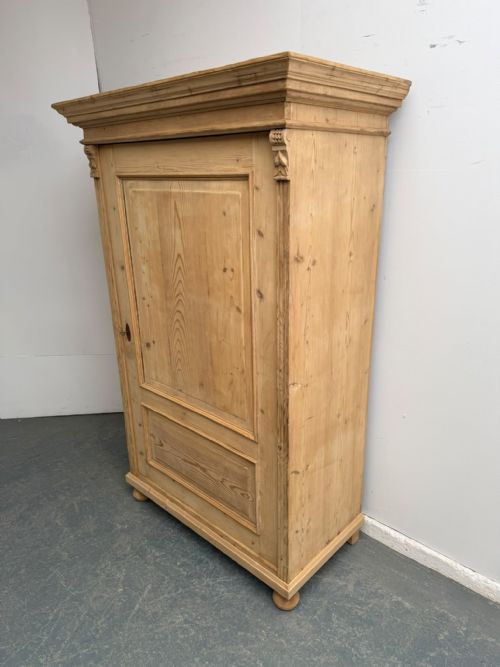
An antique freestanding wardrobe encompasses large storage pieces designed to stand clear of walls, ranging from Georgian oak housekeepers cupboards to Victorian and Edwardian double or multi-door wardrobes in mahogany and pine. Buyers searching for an antique freestanding wardrobe will find considerable variation in scale, from tall knockdown pine presses to polished oak standing cupboards and painted continental armoires.
The selection includes pieces with single or multiple doors, integrated drawers, and internal shelving configurations suited to hanging garments or storing linens. Origins span English country workshops, French provincial makers, and Hungarian or Swedish examples finished in natural wax or original paint.
Period spans stretch from the eighteenth century through the Victorian era and into the early twentieth century, incorporating styles such as Georgian country, Victorian rustic farmhouse, and Edwardian cabinetmaking. Construction formats vary between solid one-piece builds and knockdown designs engineered for ease of transport.
Materials and construction methods
Carpenters relied heavily on solid pine, oak, and mahogany, often pairing structural timbers with brass hardware, iron fittings, and glass mirror panels. Surfaces received either clear waxing to highlight the grain or traditional paint finishes in grey, white, and various country hues.
Joinery techniques included pegged framing, panelled doors with fielded profiles, and bead moulding, alongside knock-down dismantling systems that allowed large carcasses to be moved between rooms. Master cabinetmakers balanced structural rigidity with decorative proportion, utilising rosewood and cedar in specific regional pieces.
Antique Freestanding Wardrobe Retail Price Guide 2026
Typical asking prices for freestanding wardrobe among the pieces listed under this phrase on Sellingantiques today, from the lower quarter to the upper quarter. They describe what is for sale here now, not the wider market.
Listings feature items built from pine, oak, mahogany, cedar, and rosewood, spanning Georgian, Victorian, Edwardian, and 1930s periods.
Assessing quality and proportion
Quality rests in the integrity of the timber, the preservation of original finishes such as early paint or warm wax patination, and the balance of the proportions. Superior examples retain original backboards, working brass locks, and untrimmed cornices that reflect the maker's original design intent.
The refinement of the joinery, particularly around panel expansion joints and door seating, separates standard utility cupboards from finer cabinet work. Retained internal configurations, such as untouched hanging rails, adjustable shelving, and integrated drawers, add considerably to a piece's historical completeness.
The Antique Freestanding Wardrobe Glossary
- Knockdown
- A piece built to be easily dismantled into panels and sections using bolts or pegs. This clever construction allowed large wardrobes to navigate narrow stairwells and tight hallways during the nineteenth century.
- Housekeepers cupboard
- A large storage piece traditionally used for linens, dry goods, and household provisions. These utilitarian items often feature deep lower drawers and spacious upper shelving behind panelled doors.
- Fielded panel
- A wooden panel with bevelled edges that fit into a recessed groove within a frame. This technique allowed the wood to expand and contract safely with changes in household humidity.
- Cornice
- The decorative moulded projection that crowns the top of the wardrobe. It provides a finished architectural transition between the tall carcass and the ceiling.
- Armoire
- A large tall cupboard or wardrobe originating in continental Europe. These pieces typically feature deep hanging space or extensive internal shelving enclosed by heavy panelled doors.
Antique Freestanding Wardrobe: Frequently Asked Questions
How do I dismantle a knockdown wardrobe?
Knockdown wardrobes utilise internal wedges, bolts, or sliding wooden pins to hold the cornice, base, sides, and doors together without permanent glue joints. Marking each corresponding joint with chalk before disassembly ensures a straightforward reassembly process in your home.
Take your time supporting the heavier side panels as fixings are released, and keep all original wooden pegs or metal bolts safe during the move to maintain structural stability.
Will a large wardrobe fit in my bedroom?
Antique wardrobes were built on a generous scale to accommodate period garments, often standing over two metres tall with substantial cornices. Measuring your ceiling height and hallway clearances is essential before committing to a multi-piece or one-piece cabinet.
Consider knockdown variants if access is restricted, as these can be disassembled into manageable flat sections and rebuilt securely within the room of your choice.
How should I care for waxed pine timber?
Waxed pine benefits from occasional applications of natural beeswax to nourish the wood and maintain a soft, protective sheen. Avoid placing wardrobes near direct heat sources or in damp environments, which can cause timber to warp or split.
Dust regularly with a dry, soft cloth and buff gently along the grain rather than using modern silicone polishes that build up sticky residues over time.
How do I tell an 18th century cupboard apart from a Victorian one?
Eighteenth-century pieces, such as Georgian oak housekeepers cupboards, display hand-planed surfaces, pegged mortise and tenon joinery, and simpler iron or brass hardware. Victorian wardrobes frequently incorporate mechanical locks, heavier moulded cornices, and sometimes factory-produced components alongside traditional hand craftsmanship.
Examining the backboards and interior construction reveals the transition from early joined framing methods to the heavier, machine-sawn timber panels standard by the late nineteenth century.