


Antique Framed Caricatures
These antique framed caricatures combine social observation and political satire across Georgian, Victorian and twentieth-century periods.
Antique Framed Caricatures
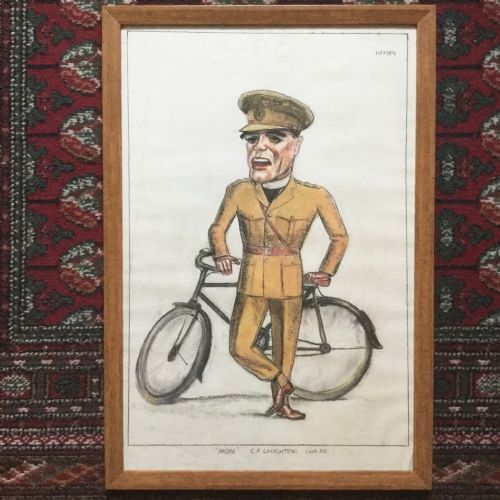
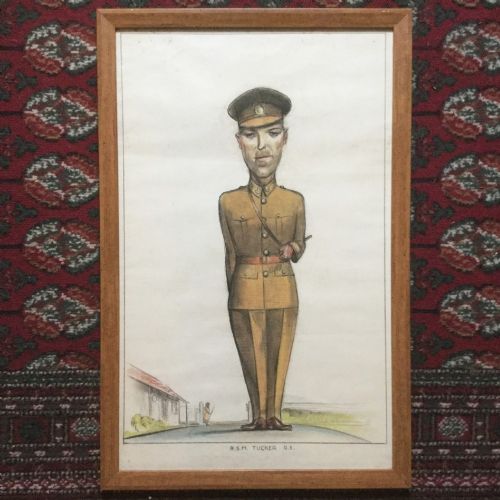
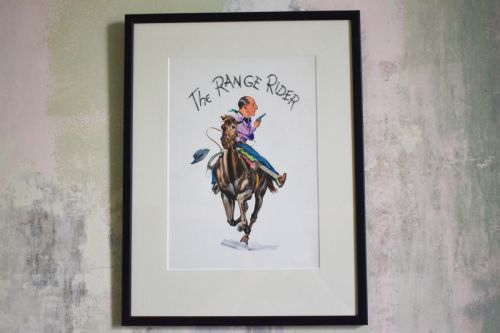
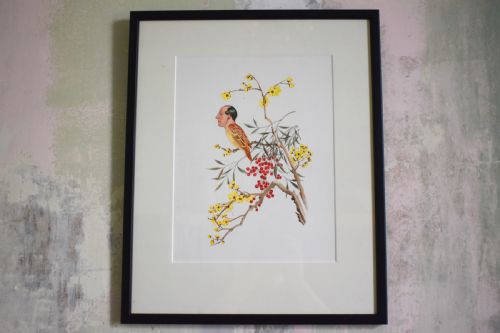
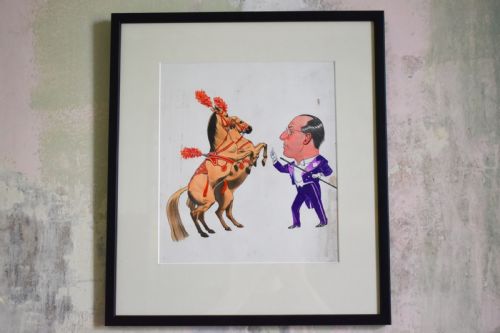
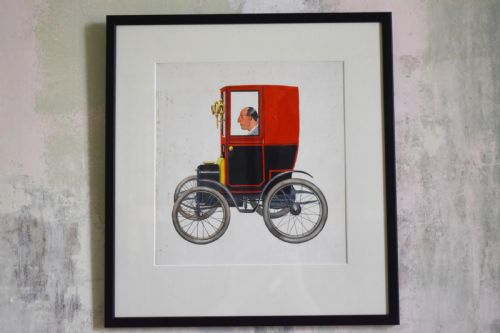
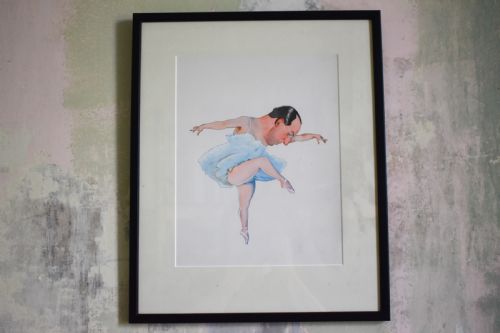
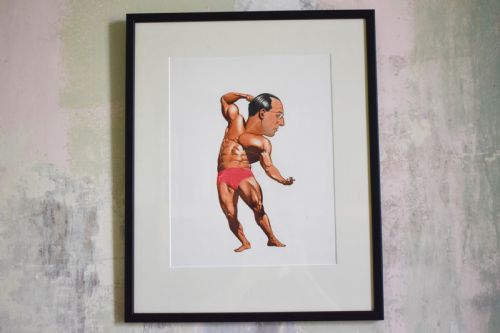
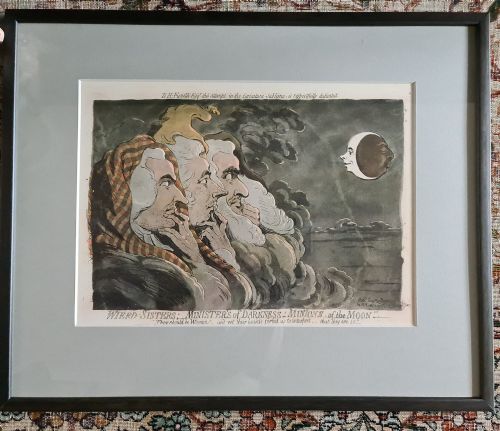
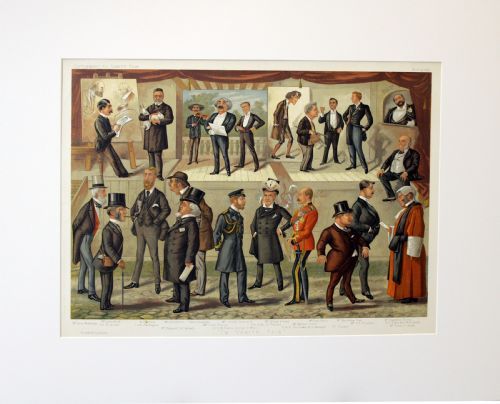
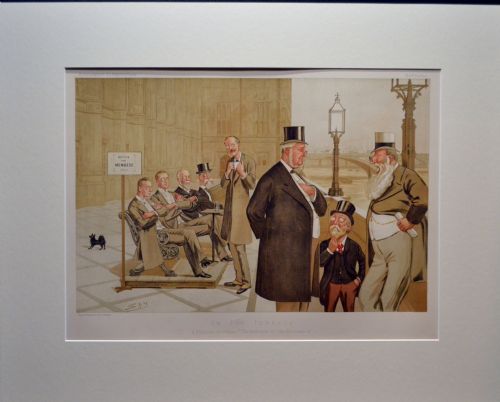
When you search for antique framed caricatures, you encounter a mix of political satire, military portraits, and social commentary spanning from the eighteenth century through the Edwardian era and into the twentieth century. These works appear as single sheets, sets, and scrapbook pages, capturing public figures, royalty, law, and military life with pointed humour.
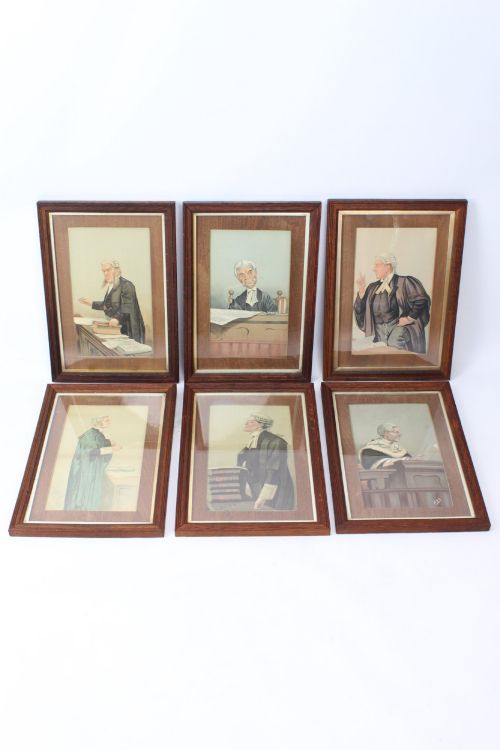
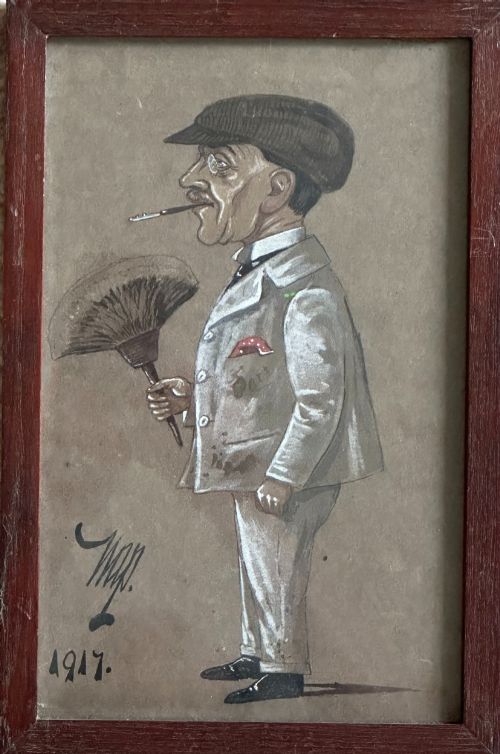
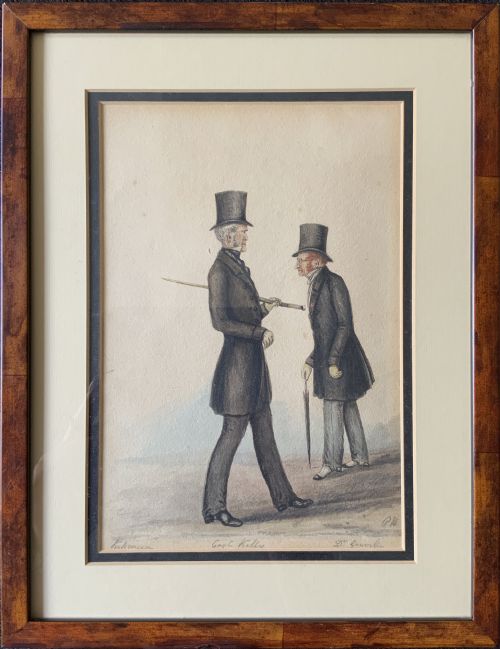
The most common form on this page is the chromolithograph or print from the Victorian and Edwardian periods, notably sets featuring Vanity Fair Spy and Men of the Day subjects. Alongside these mass-produced yet collectable prints, the selection includes original watercolours, gouache, pastel sketches, and stipple engravings framed behind glass.
Subjects range from political allegories involving King George to racing scenes, garrison life, and wartime illustrations. Buyers find everything from individual framed artworks to sets of six or twelve prints designed to be displayed together on a wall.
Materials and Technique
Makers produced these works on paper and cardboard, employing ink, watercolour, gouache, and pastel for original drawings and paintings. Hand colouring frequently enhanced stipple engravings and printed works to add vibrancy to the political and social scenes.
Chromolithography served as the primary technique for multi-colour periodical prints, allowing publishers to issue double-page plates that buyers subsequently framed. Wooden frames fitted with glass protected these delicate paper artefacts from environmental damage and handling.
Some wooden-legged soldiers in these watercolours march with more defiance than anatomy ever allowed.
Evaluating Quality
Quality rests heavily on the clarity of the original impression, the vibrancy of the hand colouring or ink work, and the preservation of the paper against fading and foxing. Original watercolours and pastels by named artists command attention for their direct draughtsmanship compared to standard published prints.
The integrity of the framing and the retention of full margins on double-page prints influence the overall standard of a piece. Complete sets and matched series also hold stronger appeal for collectors than isolated, trimmed examples.
Gilray·Thomas Worth·Henry William Bunbury·Snaffles·Albert Guillaume
The Antique Framed Caricatures Glossary
- Chromolithography
- A planographic printing process used to produce multi-colour images. This technique allowed periodicals to issue vivid plates that remain popular today.
- Stipple engraving
- A method of creating prints by dotting the surface rather than cutting lines. Hand colouring often added tone to these eighteenth-century works.
- Spy
- The famous pseudonym used by the caricaturist Leslie Ward for his portraits in Vanity Fair. His subjects defined an era of social and political commentary.
- Allegorical print
- An artwork loaded with symbolic figures and references meant to convey a political or moral message. These pieces often targeted specific historical events or monarchs.
Antique Framed Caricatures: Frequently Asked Questions
How do I date an antique caricature?
Dating relies on the paper type, printing technique, and subject matter depicted in the artwork. Many pieces carry explicit publication dates or reference historical figures from specific reigns.
Period styles such as Georgian, Victorian, or Edwardian framing also offer strong clues to the age of the piece.
Are Vanity Fair prints original?
Vanity Fair prints issued in the nineteenth and twentieth centuries are original antique plates published in the magazine. They were printed directly from lithographic stones or chromolithographic plates for the original run.
Collectors distinguish genuine period issues by their paper quality, dimensions, and folding creases from double-page formats.
How should I display antique paper art?
Antique paper requires protection from direct sunlight to prevent fading of watercolours, pastels, and printed inks. Framing with acid-free mounts and UV-filtering glass helps preserve the condition of the paper over time.
Keep pieces away from damp environments like kitchens or unventilated spaces to avoid mould and foxing.
What is a Spy print?
A Spy print refers to the caricatures published in Vanity Fair by the artist Leslie Ward, who signed his work with that pseudonym. These portraits captured prominent legal, political, and social figures of the Victorian and Edwardian eras.
They remain some of the most recognisable and collected satirical prints from the period.