




Antique Foot Tub
An antique foot tub is a deep, heavy-walled vessel in ceramic or metal designed for personal bathing or washing.
Antique Foot Tub
When you search for an antique foot tub, you encounter vessels produced primarily during the 18th and 19th centuries in ceramic, earthenware, copper, brass, and cast iron. These pieces span Georgian, Regency, and Victorian periods, often taking the form of footbaths or transferred blue and white earthenware basins.
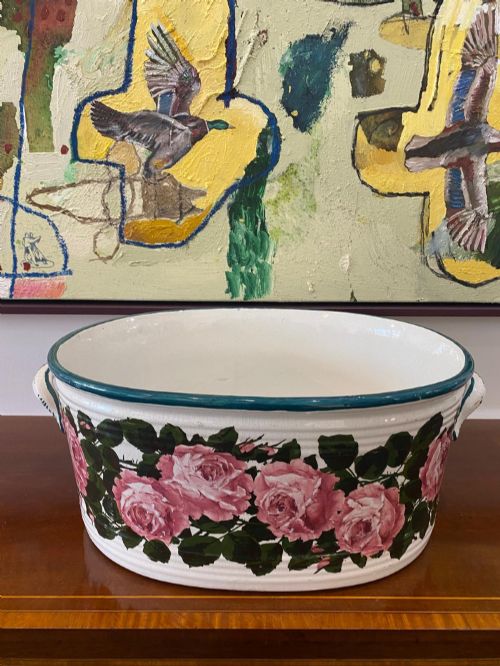
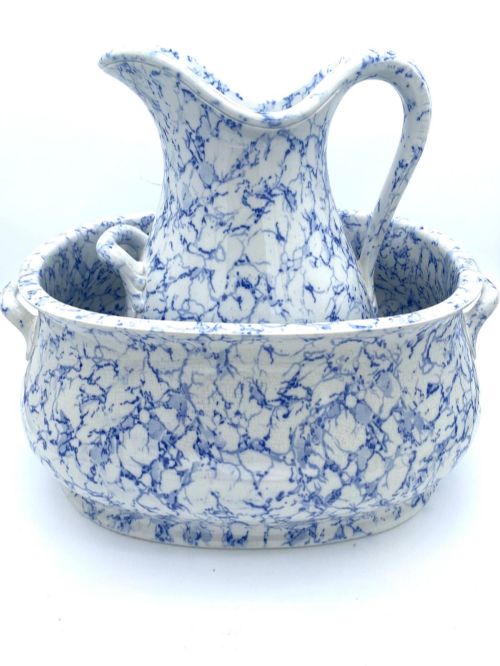
The version most likely to meet you on this page is a substantial ceramic or metal basin from the Victorian era. Many examples feature earthenware bodies decorated in transferware patterns such as flow blue or Italian marble, alongside riveted copper and brass vessels.
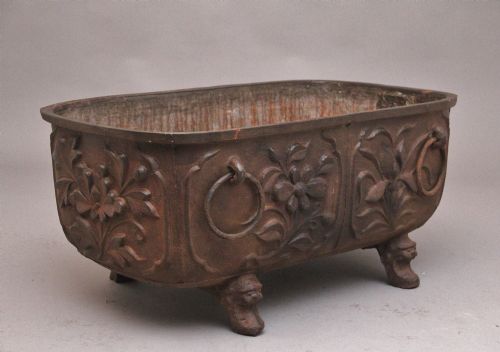
Beyond domestic washing, these robust objects frequently cross over into other functional roles. Listings include pieces catalogued as wine coolers, log bins, jardiniere planters, and temple baths.
How they were made
Makers utilised durable metals such as copper and brass, often handbeaten or riveted together to hold water securely. Cast iron and lead were also employed for heavier vessels intended to withstand rigorous daily use.
Ceramic examples relied on earthenware bodies finished with specialised glazes. Potters applied detailed transfer-printed designs, including blue and white motifs, before firing the pieces in kilns to seal the surface.
Antique Foot Tub Retail Price Guide 2026
Typical asking prices for foot tub among the pieces listed under this phrase on Sellingantiques today, from the lower quarter to the upper quarter. They describe what is for sale here now, not the wider market.
One unexpected 19th-century metal footbath arrived wearing a distinctly scrumpled texture.
What varies in quality
The standard of an antique foot tub rests on the crispness of its manufacture and the integrity of its materials. Heavy-gauge metalwork with tight, neat riveting demonstrates superior construction compared to thinner, utilitarian sheets.
In ceramic versions, the depth and clarity of the transfer-printed glaze dictate the aesthetic merit. Pieces bearing named factory marks or complex patterns command greater attention than plain, unmarked utilitarian wares.
Wemyss·Minton·Gillows·Heathcote·Copeland
The Antique Foot Tub Glossary
- Footbath
- A wide, deep basin specifically shaped for soaking the feet, typically equipped with handles for lifting when filled with water.
- Transferware
- Earthenware decorated by applying a printed design from an engraved copper plate onto the ceramic surface before glazing.
- Flow blue
- A distinctive 19th-century blue and white pottery style where the cobalt colour deliberately blurred slightly during firing to create a hazy effect.
- Creamware
- A refined earthenware developed in the 18th century featuring a pale yellowish or cream-coloured transparent lead glaze.
- Jardiniere
- An ornamental pot or stand designed to hold growing plants or flowers inside a domestic interior.
Antique Foot Tub: Frequently Asked Questions
What is an antique foot tub used for today?
While originally designed for personal hygiene and foot washing in the bedroom, these robust vessels now find alternative purposes in modern homes. Many people repurpose them as planters, fireside log bins, or wine coolers.
Their deep basins and decorative metal or ceramic finishes make them practical statement pieces for holding heavy items or displaying floral arrangements.
How do I clean a copper foot tub?
Cleaning depends entirely on whether you prefer a bright, polished metallic shine or an aged, patinated surface. Gentle washing with warm soapy water removes dust and dirt without harming the metal.
Avoid harsh chemical abrasives that strip away the historical oxidation built up over centuries of existence.
Are ceramic foot tubs waterproof?
Most antique ceramic foot tubs retain their glazed interior surfaces, making them suitable for holding water or damp materials. However, hairline cracks can develop in older earthenware over long periods.
It is wise to test a ceramic basin on a protected surface before filling it completely for plant use or display.
How can I tell a Georgian foot tub from a Victorian one?
Georgian and Regency pieces tend to favour rich hardwoods like mahogany, often constructed as wine coolers or cellarettes with understated classical lines. Victorian examples lean heavily towards patterned transferware ceramics and robust, handbeaten copper.
Examining the manufacturing style and decorative motifs helps align the vessel with its specific 18th or 19th-century period.