







Antique Folk Weaving
Antique folk weaving brings tactile domestic craft into modern spaces through textiles, seating, and storage built for everyday use.
Antique Folk Weaving
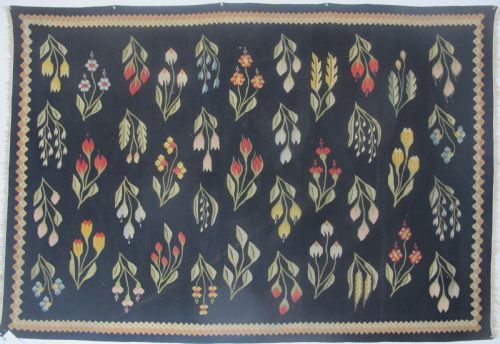
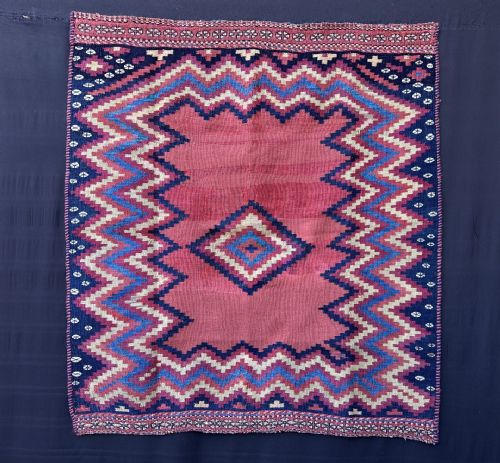
When you search for antique folk weaving, you encounter domestic objects created by regional makers using traditional domestic methods. These pieces range from heavy storage baskets and armchairs with plaited seats to flat-woven kilims, tapestries, and coverlets spanning the eighteenth, nineteenth, and early twentieth centuries.
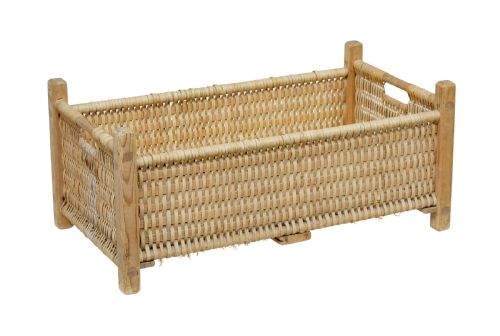
The most common versions on this page are Scandinavian pine woven baskets and regional European kilims, alongside vernacular seating like Orkney chairs incorporating straw or rush. Such pieces reflect rural utility, built from local materials to serve specific household tasks rather than for formal display.
Origins stretch across Europe and beyond, taking in Scandinavian country styles, Scottish vernacular pieces, Bessarabian flat-weaves, and Eastern European folk art. Each region adapted available woods, wools, and plant fibres to produce functional items with distinct local character.
How these pieces were made
Makers relied on readily available natural materials, shaping pine, oak, beech, and ash into frames and baskets while utilising wool, cotton, straw, rush, and wood splint for seating and textiles. These raw substances were harvested locally and worked with hand tools to ensure durability.
Construction techniques depended heavily on manual dexterity, combining hand-woven plant fibres and flat-weave textile methods with traditional joinery. Straw and rush were tightly plaited for chair seats, whilst pine and wood splint were sliced and woven into rigid storage baskets and dome-top trunks.
Antique Folk Weaving Retail Price Guide 2026
Typical asking prices for folk weaving among the pieces listed under this phrase on Sellingantiques today, from the lower quarter to the upper quarter. They describe what is for sale here now, not the wider market.
Materials span native woods like oak, pine, ash, and beech combined with wool, cotton, straw, rush, and wood splint.
What varies in quality
Quality in antique folk weaving rests on the structural integrity of the weave and the framing timbers. Tightly packed rows in woven baskets and kilims show greater technical control by the maker, whereas loose construction indicates hasty workmanship.
The preservation of original materials also distinguishes better examples from heavily restored ones. Retaining authentic straw seats, untouched pine patination, and original wool dyes without modern interventions elevates an item's integrity.
The Antique Folk Weaving Glossary
- Kilim
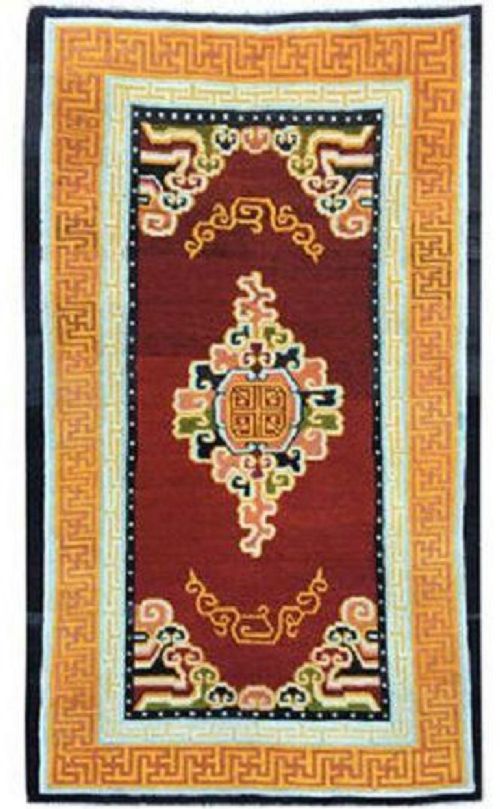
- A flat-woven carpet or rug produced without a pile, commonly associated with tribal and regional weaving traditions. These textiles often feature geometric motifs and flat surfaces.
- Orkney Chair
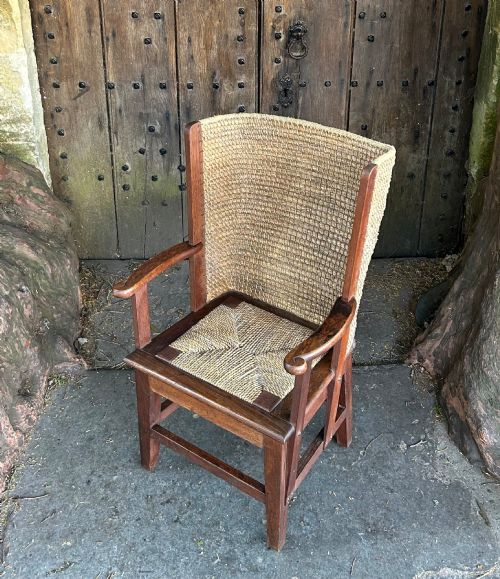
- A traditional Scottish vernacular armchair characterised by a low wooden frame and a high, plaited straw back. They were designed to protect the sitter from draughts in coastal cottages.
- Súgán Chair
- An Irish vernacular chair featuring a seat made from twisted straw or hay rope, known locally as súgán. This method provided a resilient, flexible base using farm waste materials.
- Bobbin Winder
- A mechanical device used in textile production to wind yarn or thread onto bobbins for weaving. Eighteenth-century examples are typically constructed from turned wood.
- Sofreh
- A woven fabric used primarily as a spread for meals or dough preparation in Persian and tribal households. These utilitarian textiles often display rich folk art symbolism.
Antique Folk Weaving: Frequently Asked Questions
How do I care for antique woven baskets?
Keep woven pine and wood splint baskets out of direct sunlight and away from excessive moisture to prevent the natural fibres from becoming brittle or warping over time. Dust them gently with a soft brush rather than using liquid cleaners.
Maintaining a stable indoor humidity level helps preserve the flexibility of straw, rush, and wood. Avoid placing heavy loads inside fragile antique baskets that were originally intended for light domestic storage.
What is an Orkney chair?
An Orkney chair is a distinctive vernacular armchair featuring a low wooden frame constructed from oak or beech and a tall, plaited straw back. They originated in the Scottish islands to shield inhabitants from cold sea drafts.
The straw backing is hand-woven using oat straw stitched together with split brier. Ladies' versions are typically lower in height, while full-sized examples provide deep seating and built-in under-seat storage drawers.
How are flat-weave kilims different from rugs?
Kilims are woven flat on a loom rather than knotted, meaning they have no raised pile. This construction makes them lighter and thinner than traditional pile carpets.
The absence of pile allows flat-weaves to be easily folded, used as wall hangings, or laid across floors. Their designs rely on visible warp and weft threads intersecting to form sharp geometric patterns.
How do I date an antique woven pine basket?
Dating relies on examining tool marks, construction methods, and the natural patina of the wood. Hand-split pine strips often show subtle irregularities that reveal manual processing rather than modern machine sawing.
Iron nails, if present, can indicate a nineteenth-century origin, whereas earlier pieces often utilised wooden pegs or stitching. Surface wear and oxidation accumulated over generations also provide reliable clues to age.