

Antique Folk Art Seating
Antique folk art seating brings domestic history into a room through carved wood, painted surfaces and vernacular forms shaped by rural makers.
Antique Folk Art Seating
When you search for antique folk art seating, you find functional domestic furniture made outside mainstream urban workshops, often reflecting regional traditions and local materials. The pieces on this page span several centuries, reaching back to the Georgian and Victorian eras as well as the nineteenth century, and include forms made for daily use in rural homes.
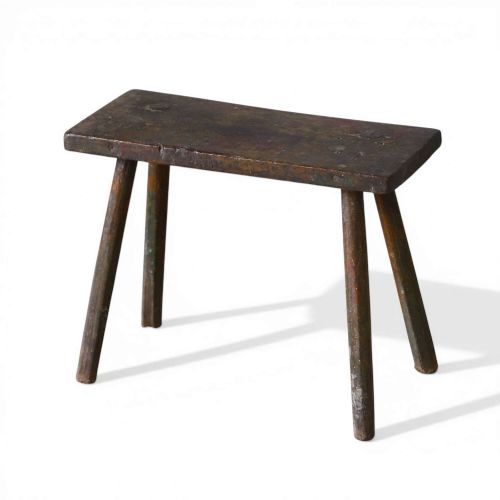
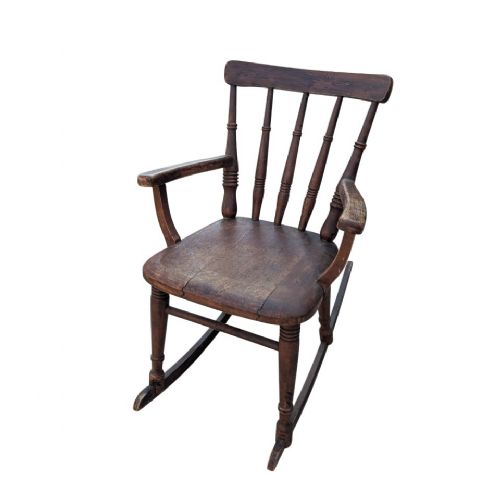
The selection here encompasses benches, settles, milking stools and armchairs, with benches and milking stools appearing frequently alongside children's chairs and high chairs. These items were built by local carpenters or householders using timber at hand, resulting in robust forms designed for practical rural life rather than formal reception rooms.
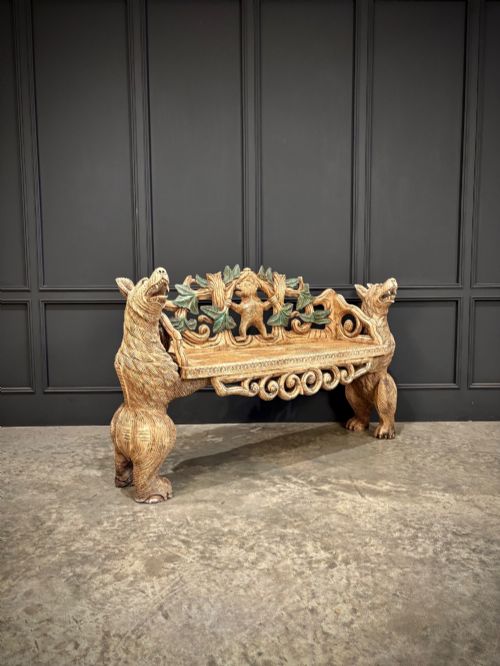
Geographic origins vary widely across the inventory, ranging from Swedish and Eastern European workshops to Alpine, Austrian and Scottish contexts. This diversity means a buyer encounters everything from painted pine box settles to carved armchairs and rush-seated chairs, each carrying the distinct visual language of its home region.
Materials and construction methods
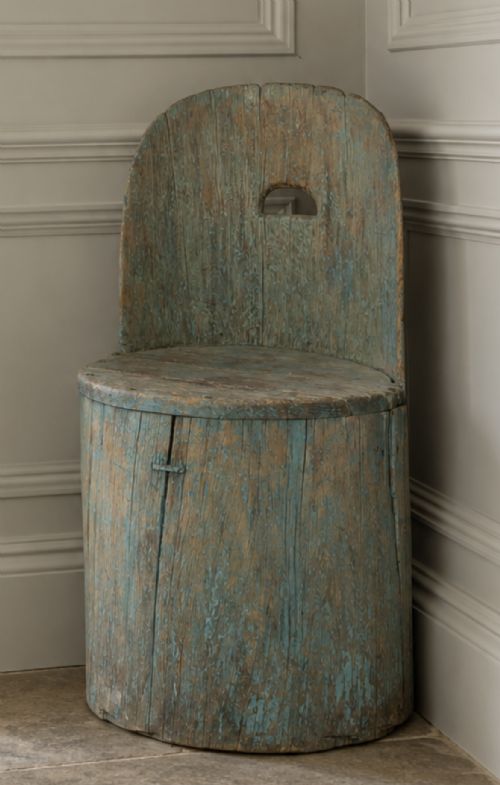
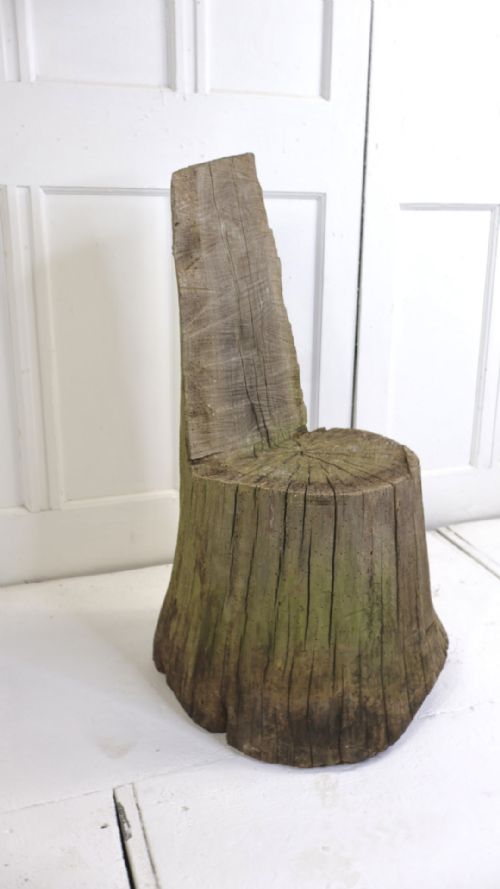
Makers relied heavily on native timbers such as pine, oak, beech and ash, utilising solid planks and carved blocks rather than delicate veneers. Dug-out chairs, solid benches and primitive stick-back armchairs depend on straightforward joinery, mortise and tenon connections, and pegged joints to achieve structural endurance.
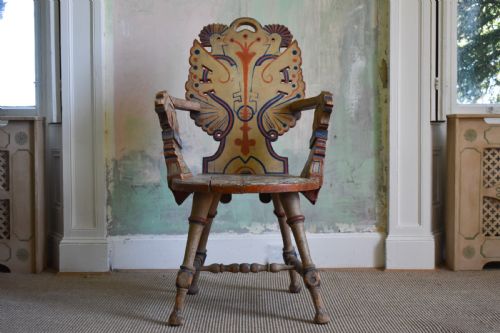
Many items retain their original painted finishes, applied in vibrant ochre, blue, green, cream or grey to protect the softwood and decorate the surface. Where paint is absent, surfaces show the warm patina of waxed hardwood, while rush and plaited straw provide flexible seating surfaces in specific regional chair types.
Assessing quality and character
Quality in these pieces rests upon the integrity of the original construction and the survival of untouched surfaces, such as early layers of paint or natural wax patination. Pieces that retain their authentic finishes and uncompromised structural frames stand apart from those stripped down or heavily restored in later decades.
The sculptural ambition of the carving and the boldness of regional design dictate distinction within this category. A piece with well-proportioned vernacular details, such as comb backs, bobbin turnings or original painted decoration, displays a stronger artistic identity than a plain utility item.
The Antique Folk Art Seating Glossary
- Settle
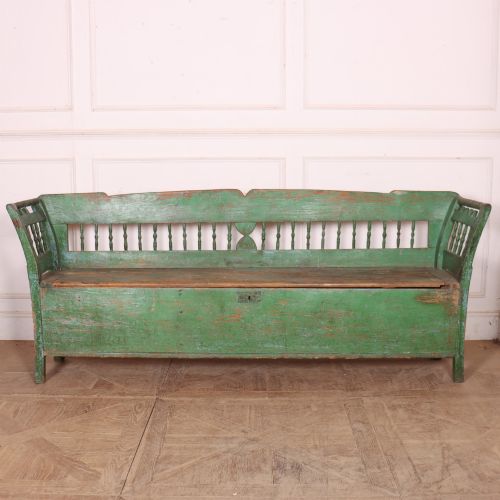
- A wooden bench with high back, solid arms and a box base that often lifts for storage. It kept draughts away from firesides in unheated rural houses.
- Milking stool
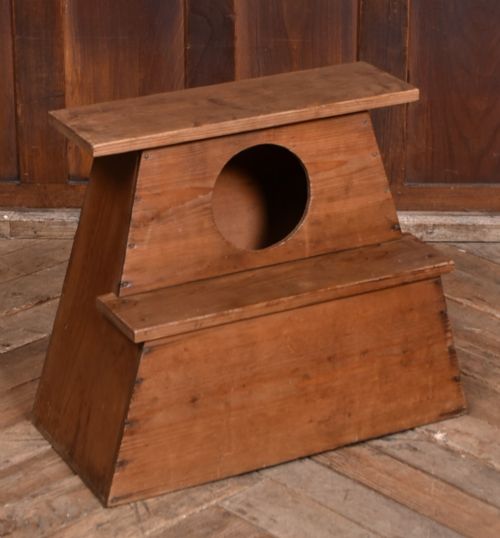
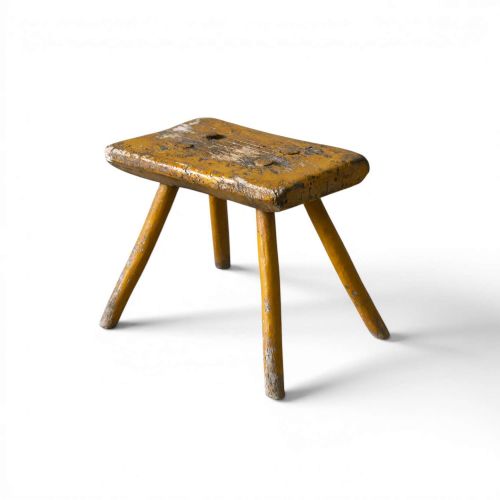
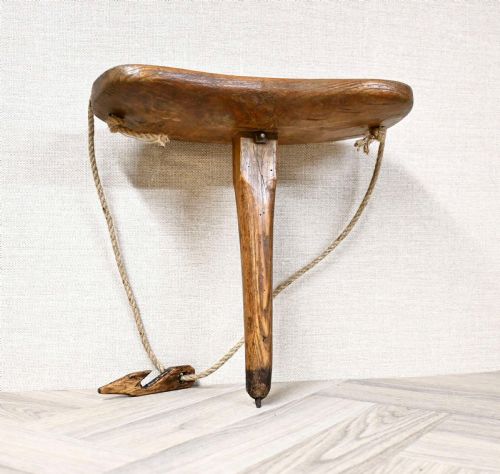
- A small, sturdy seat traditionally balanced on three legs for stability on uneven farm floors. Makers often shaped them from a single block of timber or fitted simple tapered legs into a carved seat.
- Comb back
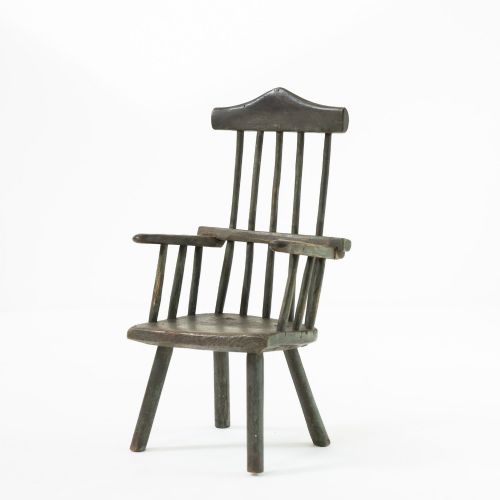
- A Windsor chair variation where the vertical spindles of the back extend upward into a horizontal top rail resembling a hair comb. This construction method offered resilient support using flexible green wood.
- Súgán chair
- An Irish traditional chair featuring a seat woven from plaited straw or hay rope. The natural cord provides a springy surface supported by a timber frame, usually made of ash.
- Box settle
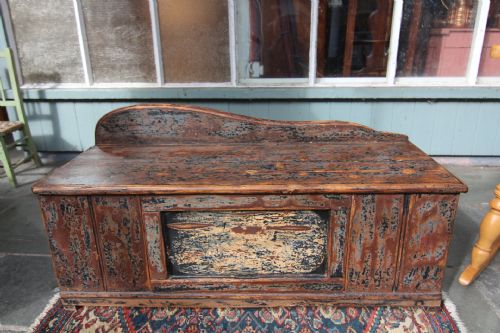
- A heavy wooden bench incorporating a enclosed compartment beneath the seat. It served dual purposes as both a seating area and a storage chest for household textiles.
Antique Folk Art Seating: Frequently Asked Questions
How do I care for painted folk art seats?
Keep painted wooden furniture away from direct sunlight and dramatic humidity shifts to prevent the pigment from flaking or the timber from warping. Dust gently with a dry cloth and avoid modern chemical polishes that can degrade historic paint layers.
Waxed pine or hardwood surfaces benefit from occasional application of traditional beeswax to nourish the wood. Allow the natural patina to remain intact rather than aggressively scrubbing or stripping the surface.
Were these chairs used outdoors?
Most pieces in this category were made for indoor domestic or agricultural use, including farmhouses, cottages and dairies. Everyday indoor seating like milking stools, settles and armchairs spent their lives beside hearths or in milking parlours.
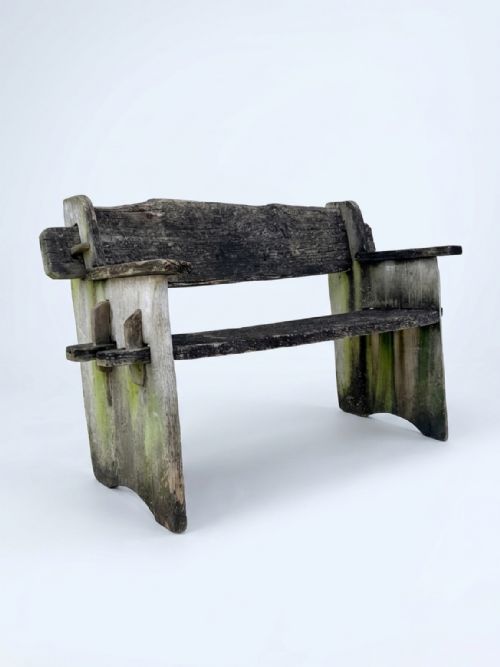
Garden benches represent a distinct subset designed for exterior placement, constructed to withstand weather. Traditional pine and painted indoor seats deteriorate rapidly if left exposed to rain and damp conditions.
What is a vernacular chair?
A vernacular chair is built by local craftsmen or rural tradesmen following regional traditions rather than following academic pattern books. These objects reflect local materials and practical needs without reference to fashionable metropolitan styles.
Such pieces often combine inventive engineering with straightforward construction, resulting in charming irregularities. Their design evolved over generations to suit specific domestic tasks within a particular community.
How can I tell regional styles apart?
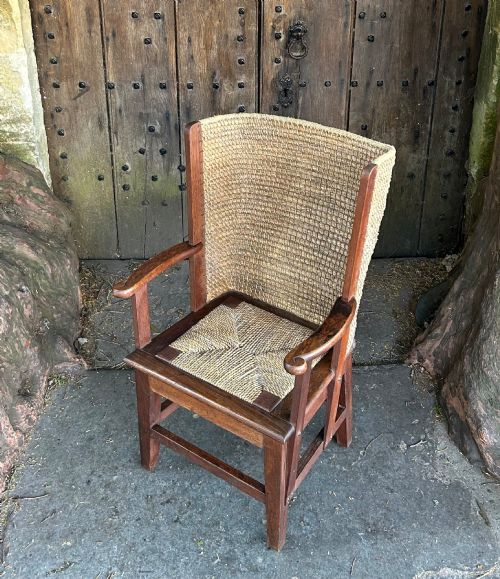
Regional identification relies on characteristic timber choices, paint palettes and specific structural forms tied to particular countries or counties. For example, Orkney chairs feature woven straw backs unique to Scottish island traditions, while painted box settles frequently point towards Eastern European or Scandinavian origins.
Examining the turning styles, joinery methods and surface decoration helps pinpoint geographic roots. Comparing the piece to documented examples from specific rural traditions clarifies its origin.