


Antique Fob Necklace
An antique fob necklace brings heavy nineteenth and twentieth century pocket watch hardware straight to the neckline.
Antique Fob Necklace
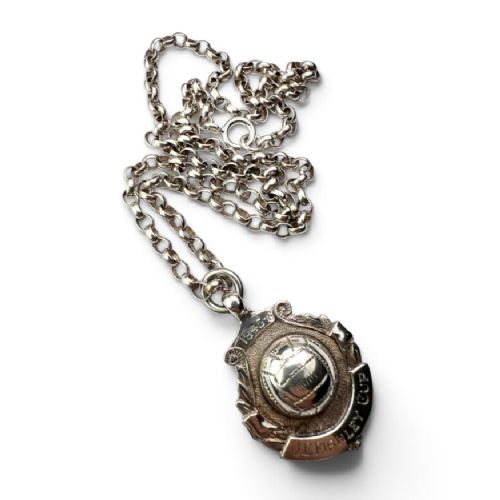
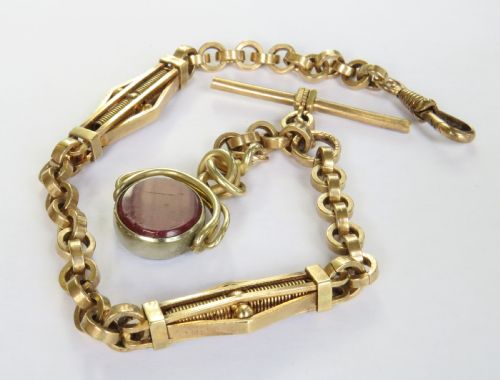
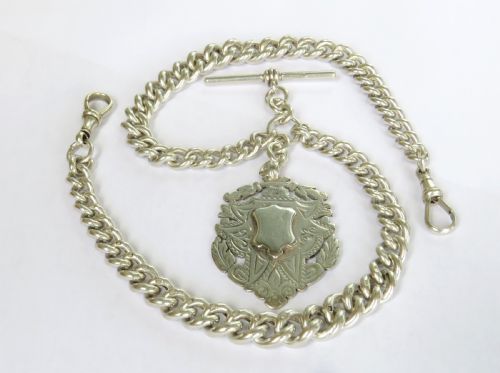
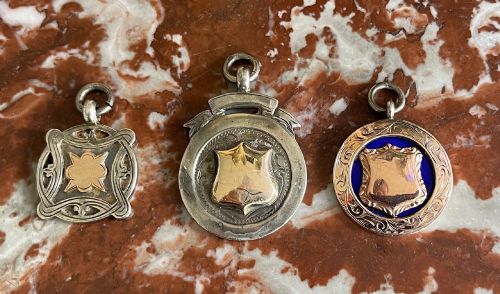
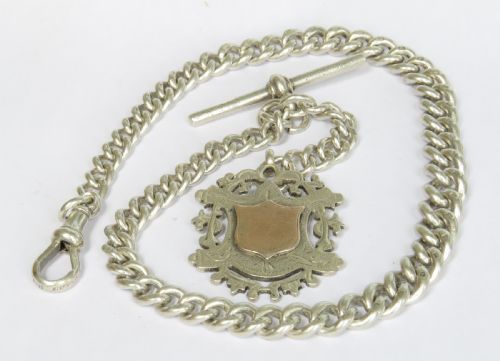
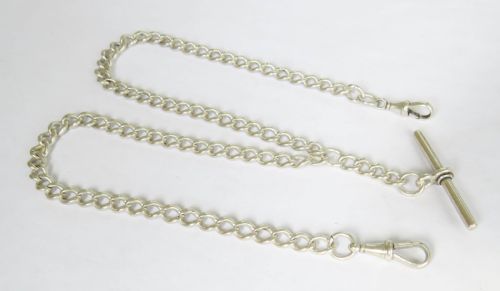
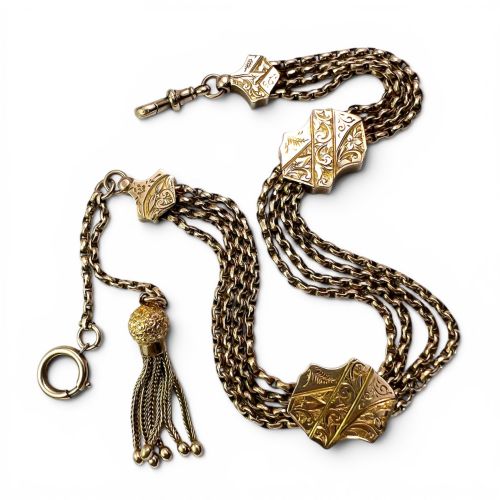
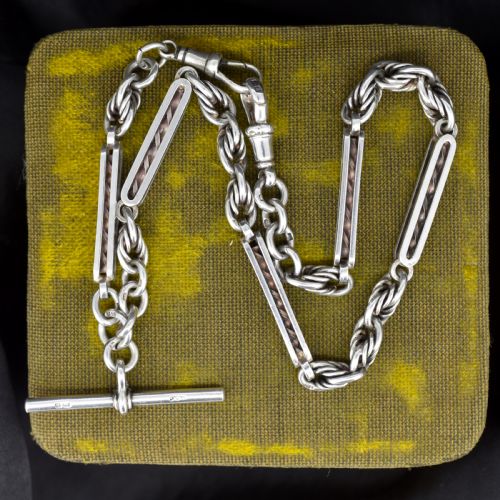
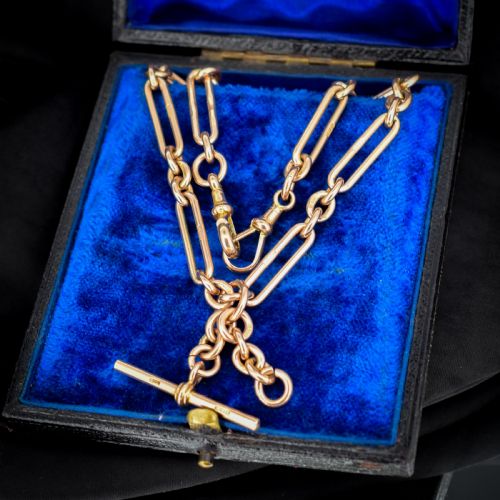
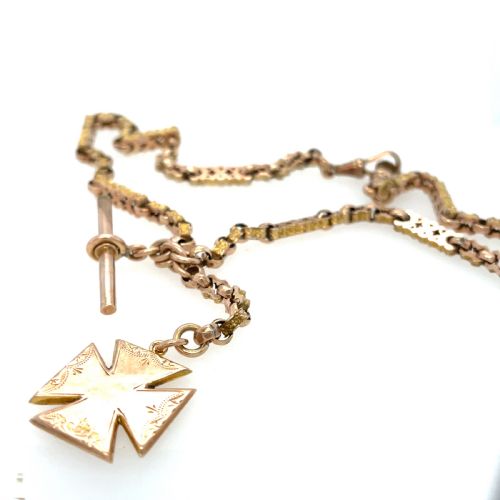
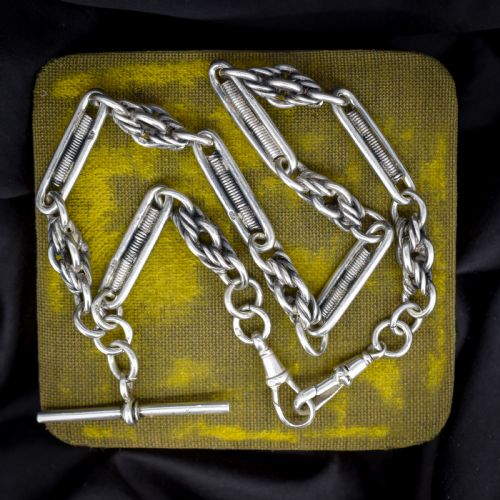
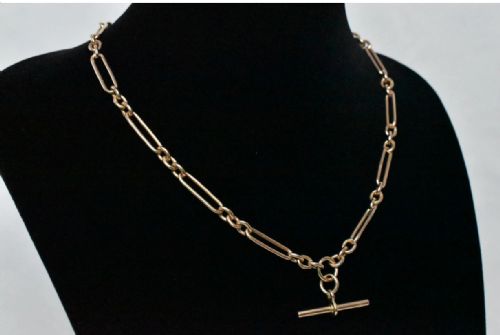
An antique fob necklace repurposes heavy utilitarian pocket watch chains and decorative seals into striking neckwear, transforming nineteenth and early twentieth century gentleman's accessories into modern statements. You will most frequently encounter sterling silver and nine carat rose or yellow gold albert chains fitted with swivel fobs, T-bars, and dog clips.
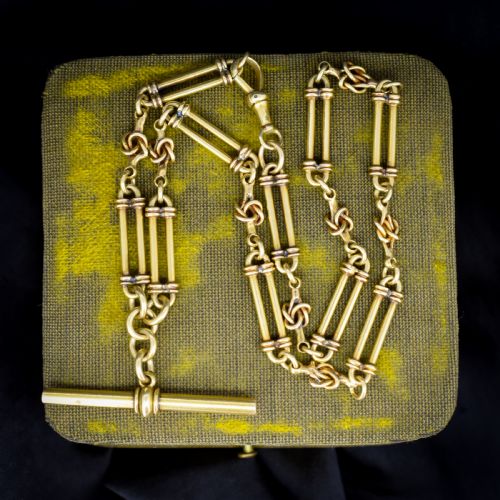
The pieces span the Victorian, Edwardian, and Art Deco periods, encompassing designs from simple curb links and trombone chains to elaborate love knot patterns and spinning stone fobs. These items originate from a time when watch chains were worn across waistcoats, meaning today's iterations have been cleverly adapted for wear around the neck.
Materials and Construction
Metals range from solid sterling silver and various carats of gold, including nine, twelve, and eighteen carat yellow and rose gold, down to rolled gold alternatives. Hallmarks frequently stamp these metals with regional assay office marks, such as Birmingham or Chester, verifying their origin and purity.
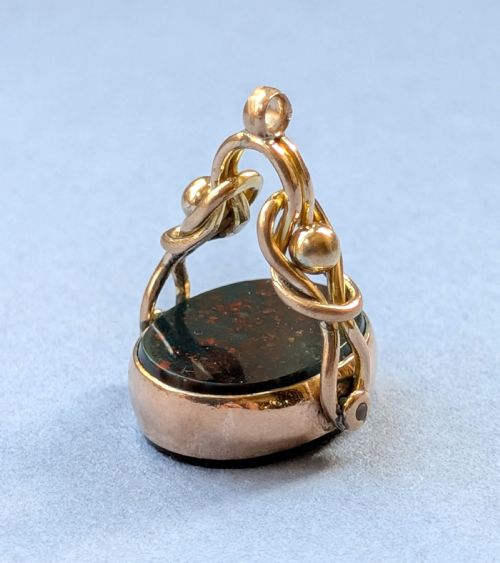
Stonework relies heavily on natural minerals like carnelian, agate, and citrine, often set within rotating swivel fobs that display different faces. Links are meticulously formed into curbs, trombones, and love knots, then joined with functioning dog clips and T-bars that anchor the entire structure.
Antique Fob Necklace Retail Price Guide 2026
Typical asking prices for fob necklace among the pieces listed under this phrase on Sellingantiques today, from the lower quarter to the upper quarter. They describe what is for sale here now, not the wider market.
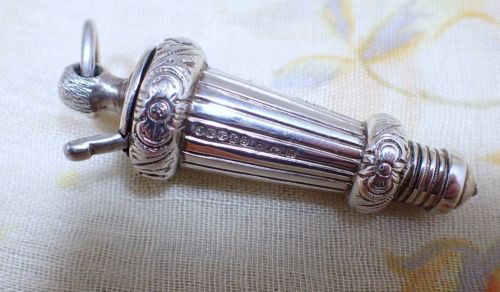
Some antique chains include a tiny silver whistle pendant complete with its own matching silver case for calling a cab.
Distinctions in Quality
The calibre of an antique fob necklace rests upon the weight and integrity of its metalwork, distinguishing solid gold or heavy sterling silver chains from lighter rolled gold versions. Substantial gram weights and crisp link definition indicate superior craftsmanship and durability.
The complexity of the attached components also dictates standard, with hand-carved carnelian or citrine swivel fobs and intricate love knot patterns commanding greater attention than plain links. The clarity of hallmarks stamped into the metal further establishes the authenticity and provenance of the piece.
The Antique Fob Necklace Glossary
- Albert chain
- A heavy watch chain designed in the nineteenth century to secure a pocket watch, named after Prince Albert. These chains frequently feature dog clips and T-bars.
- T-bar
- A transverse bar attached to the centre of a watch chain, originally used to button the chain securely into a waistcoat hole. On a necklace, it hangs as a decorative drop.
- Swivel fob
- A small pendant mounted on a rotating axis, allowing the wearer to display two different stone faces or seal engravings. They commonly house carnelian, agate, or citrine.
- Dog clip
- A spring-loaded clasp resembling a hound's leash clip, used on albert chains to attach pocket watches or charms. They provide a secure and distinctive fastening method.
- Trombone link
- A specific elongated watch chain link pattern alternating with smaller circular or oval rings. This geometric rhythm creates a distinct visual texture along the neckline.
Antique Fob Necklace: Frequently Asked Questions
How do I wear an albert chain as a necklace?
An albert chain converts into a necklace by fastening the dog clips to either end of the chain or linking them to a central pendant. The T-bar is left to dangle as an intentional decorative feature at the front.
Because these chains were originally built for waistcoats, lengths usually sit close to the collarbone. You can adjust how it hangs by clipping the clasp into different links along the chain.
What is the difference between silver and gold fobs?
Silver fobs and chains hail primarily from the Victorian and Edwardian eras, often bearing distinct Birmingham or Chester hallmarks. They offer a bright, heavy industrial aesthetic.
Gold versions utilise nine carat rose gold, yellow gold, or higher eighteen carat standards, sometimes incorporating rolled gold layers. Rose gold variations provide a warmer, distinctively antique pink hue compared to modern yellow gold.
How do spinning fobs work?
Spinning fobs are mounted on a vertical swivel axis that allows the central stone or metal seal to rotate freely. One side might display a polished carnelian while the reverse shows an agate or an engraved family crest.
To view both sides, you simply pinch the outer frame and spin the stone with your fingers. This mechanical feature allowed Victorian gentlemen to alternate between a decorative stone and a practical wax seal.
Are these necklaces original or converted?
Many pieces survive with their original configuration of T-bars, dog clips, and fobs intact, though the way they are worn has shifted from pocket to neck. Some lengths represent complete albert chains worn straight as necklaces, while others combine associated antique elements.
Examining the wear on the link joints and verifying period hallmarks helps determine the history of the assembly. The components themselves remain entirely period-accurate to the nineteenth and early twentieth centuries.