

Antique Flower Canvas
An antique flower canvas brings oil paint, canvas, and botanical subjects together in a painted record that turns transient blooms into lasting wall art.
Antique Flower Canvas
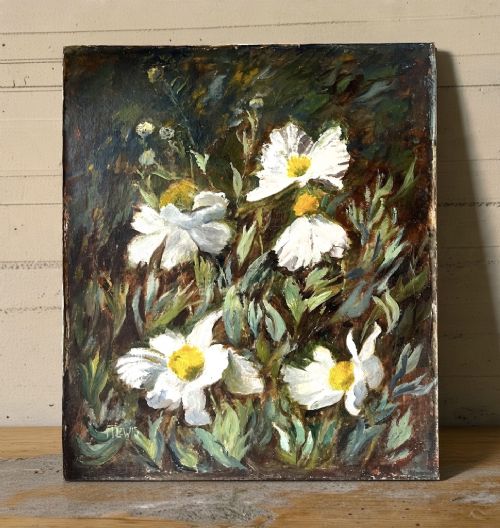
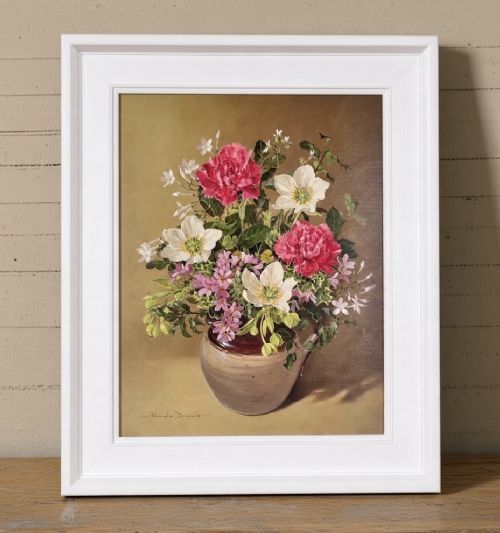
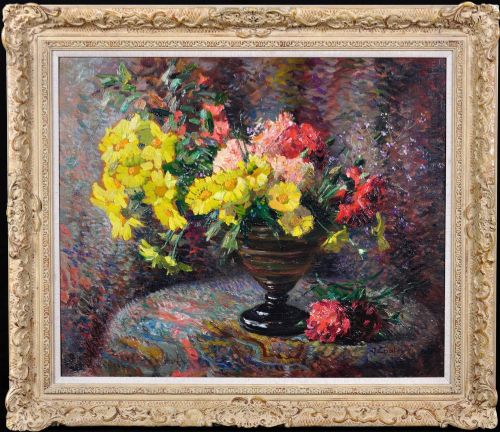
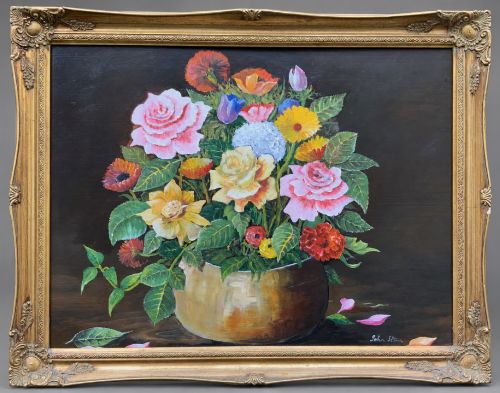
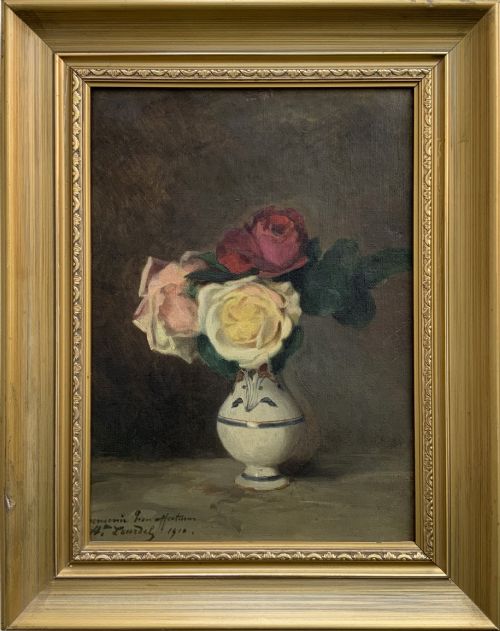
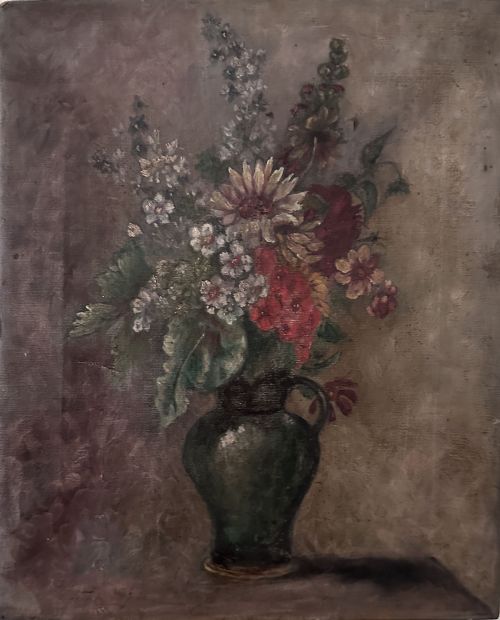
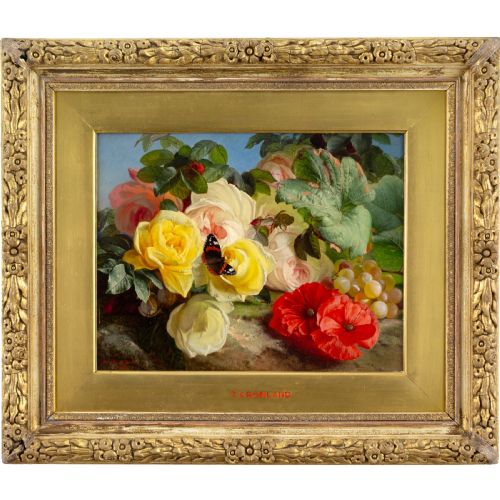
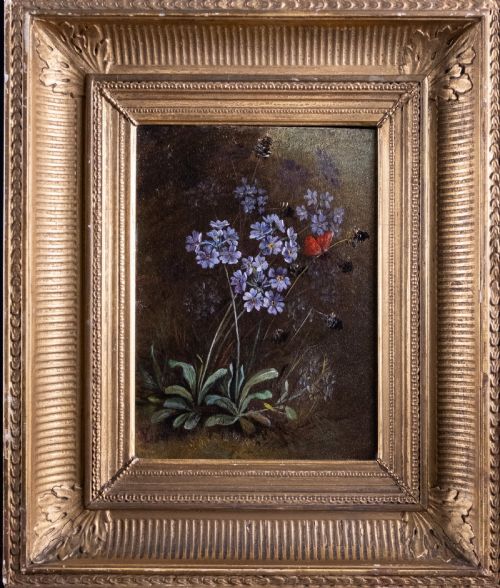
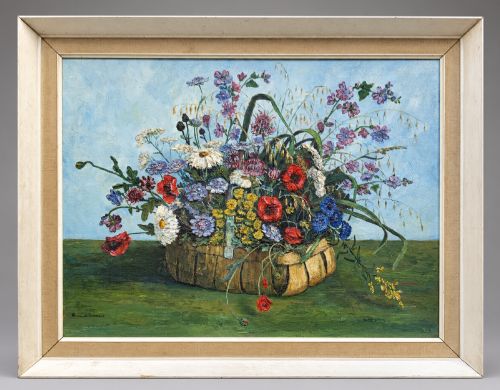
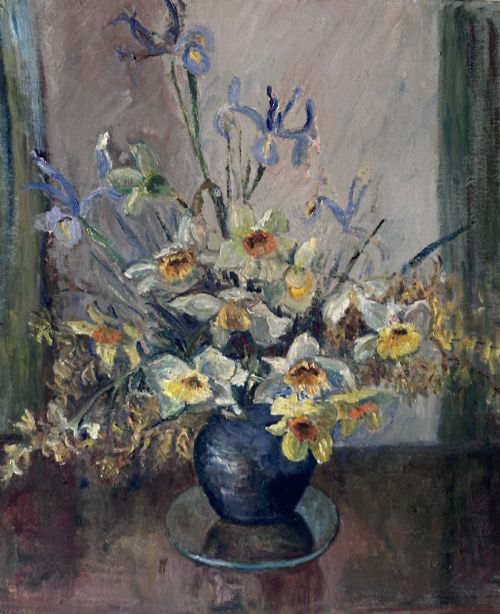
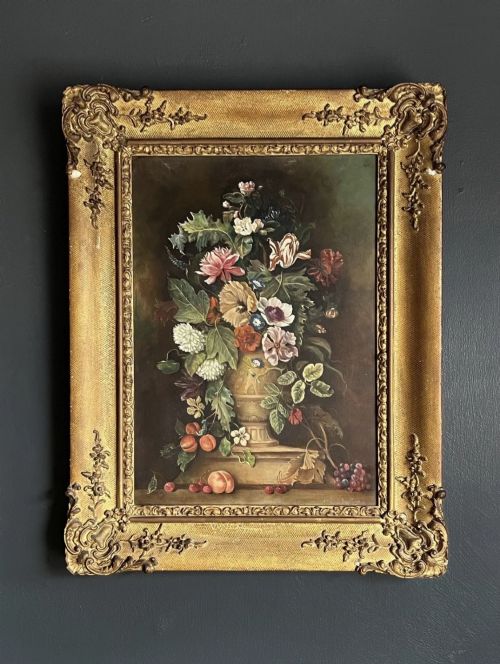
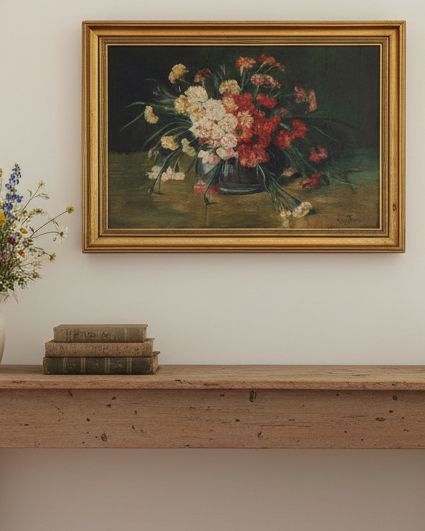
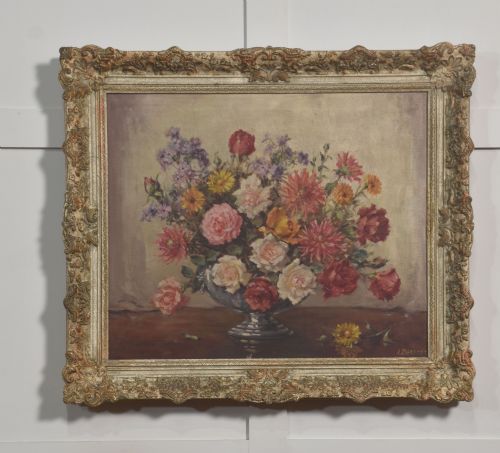
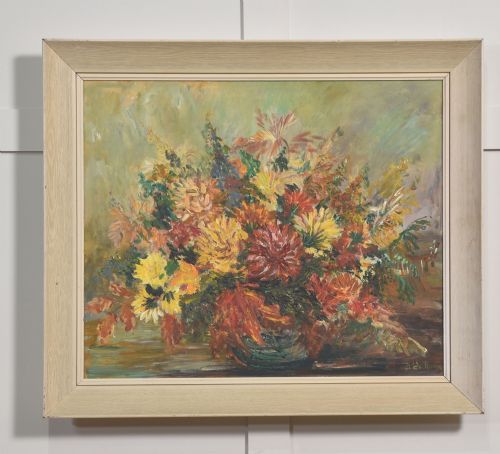
When buyers search for an antique flower canvas, they find oil paintings rendered on stretched canvas surfaces, capturing floral subjects across multiple centuries. These works range from tightly detailed 19th-century studies to looser Impressionist and Art Deco interpretations.
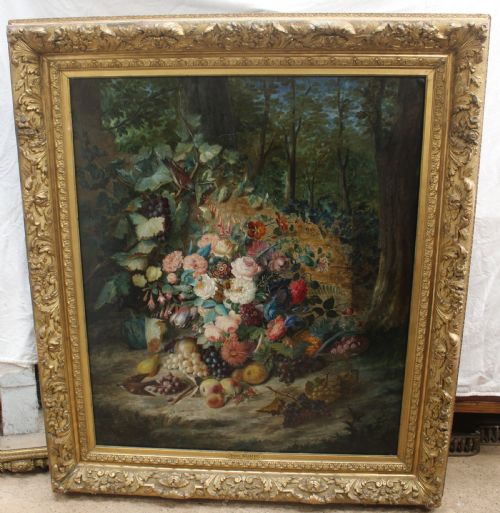
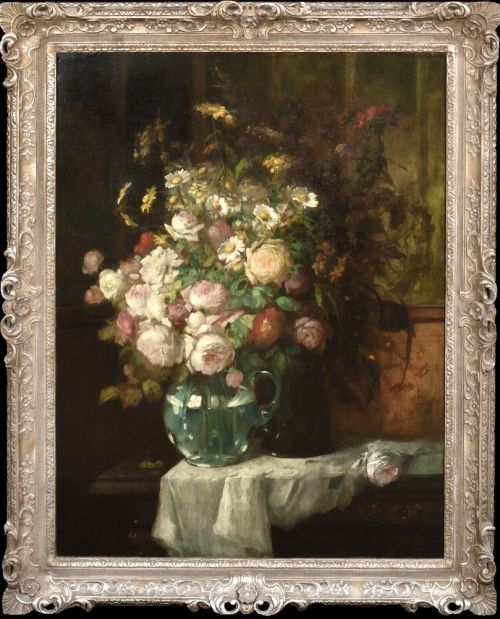
The pieces on this page lean heavily towards still life compositions depicting roses, poppies, peonies, and mixed vases, alongside occasional portrait subjects accompanied by wildflowers or irises. Dating spans from the 18th century through the Victorian period, Edwardian era, and into the mid-20th century.
Origins include British, French, Flemish, Austrian, and Swiss hands, offering buyers varied regional approaches to botanical rendering. Forms include single framed canvases, pairs, and large-scale decorative works housed in period wooden frames.
Materials and construction
Artists built these works using oil paint applied to woven canvas stretched over wooden frames, often supported by additional wooden framing structures. Pigments captured the varied hues of petals and leaves through layered brushwork.
Many canvases sit inside period frames constructed from wood, finished with gesso moulding, and highlighted with gold leaf or gilt paint. These frames provide structural housing that matches the era of the painting itself.
Antique Flower Canvas Retail Price Guide 2026
Typical asking prices for flower canvas among the pieces listed under this phrase on Sellingantiques today, from the lower quarter to the upper quarter. They describe what is for sale here now, not the wider market.
Materials across these listings include oil paint, canvas, wood, gesso, and gold leaf.
Qualities that separate the works
Execution and brush control set individual pieces apart, distinguishing confident realism or fluid Impressionism from stiff or flat composition. The handling of light on petals and glass vessels demonstrates the painter's ability.
The relationship between the canvas and its frame also matters, as period-correct gilt gesso settings preserve the historical integrity of the piece. Preservation of the original oil surface without heavy intervention dictates the standard across the range.
Theude Grönland·Gaspar Peeter Verbruggen·Edwin Steele·William Watt Milne·Owen Bowen·Gertrude Hayes·Florence Hess·A Nikolokov·Edward Ladell·Calzolari·Ernest Higgins Rigg·Freda Marston·Sir George Reid·Rowland Holyoake·Henry Schouten·L Wilford·Pierre Joseph Redoute·Konstantin Stoitzner
The Antique Flower Canvas Glossary
- Canvas
- A heavy woven fabric used as a surface for oil painting. It provides the flexible base stretched over wooden frames for these floral works.
- Giltwood
- Wood that has been coated with gold leaf or a gold-coloured finish. This material forms many of the ornate frames housing the paintings.
- Gesso
- A plaster-like mixture applied to wood frames before gilding or painting. It creates a smooth surface for detailed moulding work.
- Still life
- A painting genre focused on inanimate subject matter. In these listings, it refers specifically to arrangements of flowers, fruit, and vases.
Antique Flower Canvas: Frequently Asked Questions
What periods do these flower paintings cover?
The selections span from the 18th century through the Victorian and Edwardian eras, extending into 1930s modernist and Art Deco movements.
Most pieces date across the 19th and early 20th centuries, reflecting changing European painting styles over time.
Are these works painted on canvas?
Every listed piece utilises oil paint applied directly to stretched canvas as the primary medium.
Some are housed within their original wooden frames finished with gesso and gold leaf.
Where were these artists from?
The creators represent various European traditions, including British, French, Flemish, Austrian, and Swiss painters.
Regional schools range from Dutch Golden Age styles to local Impressionist groups.
How are the paintings usually framed?
Many examples retain period wooden frames, often featuring moulded gesso detailing and gilt finishes.
These surrounds complement the era and style of the central canvas.