

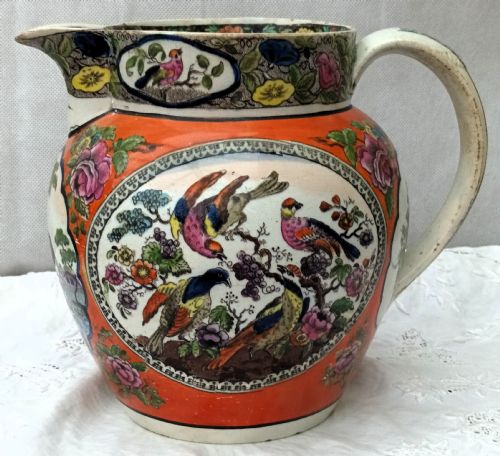
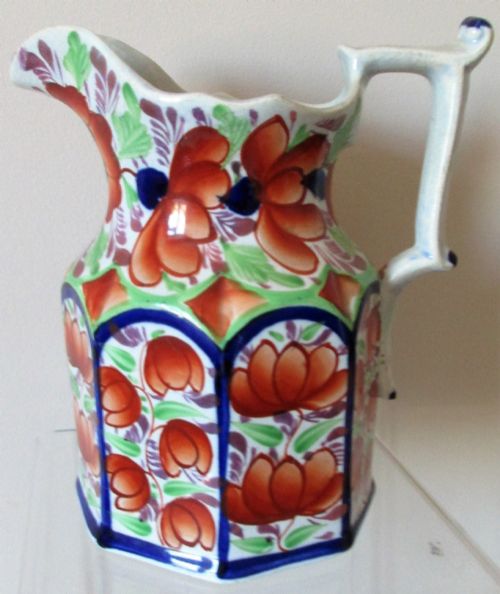
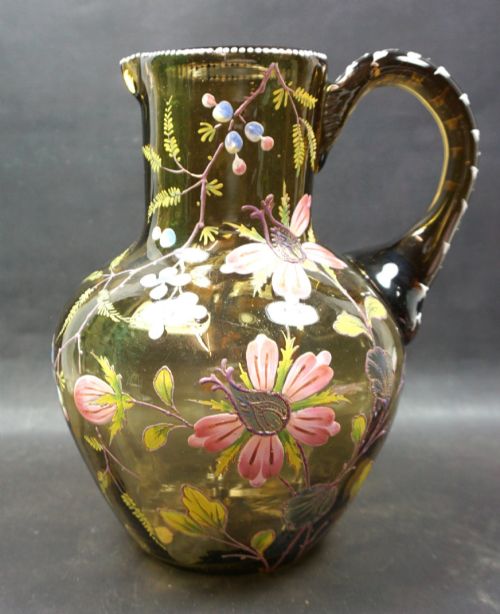
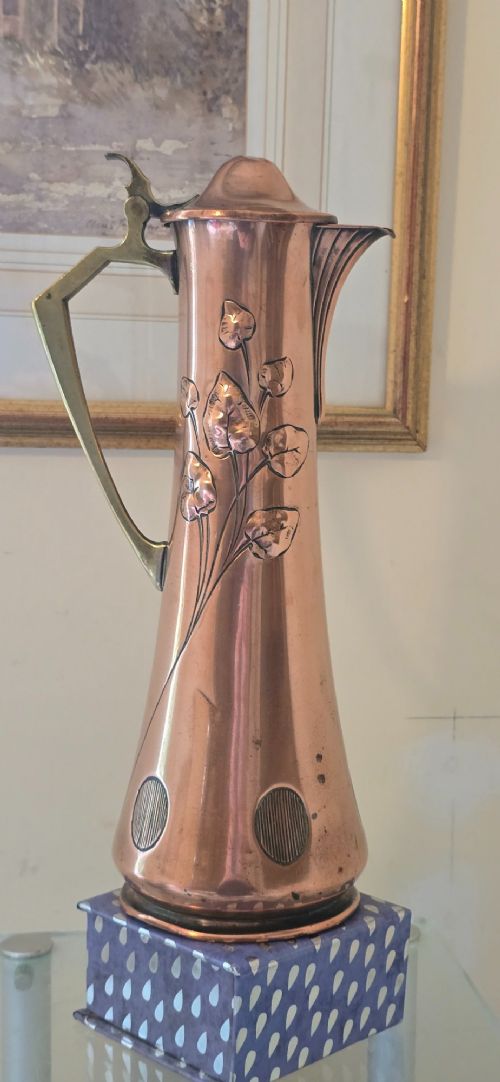
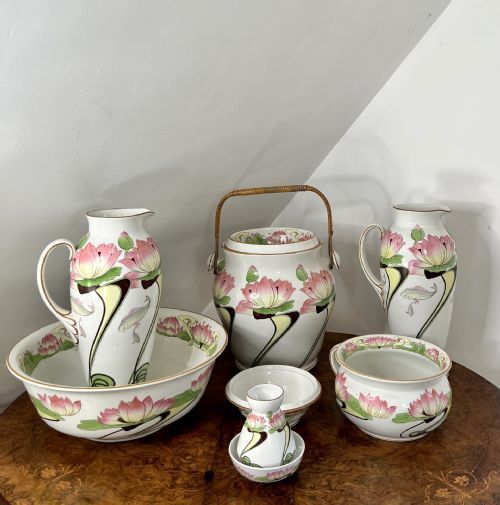
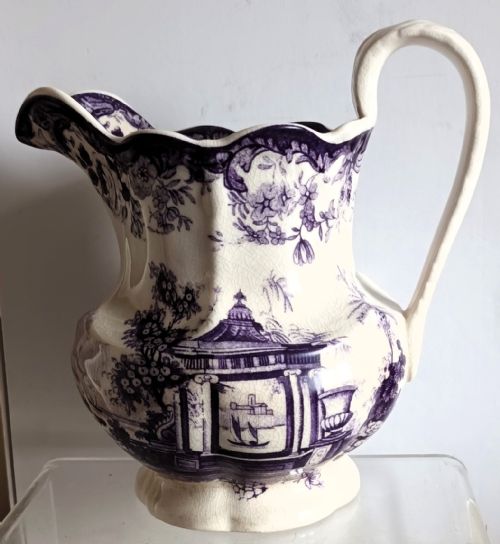
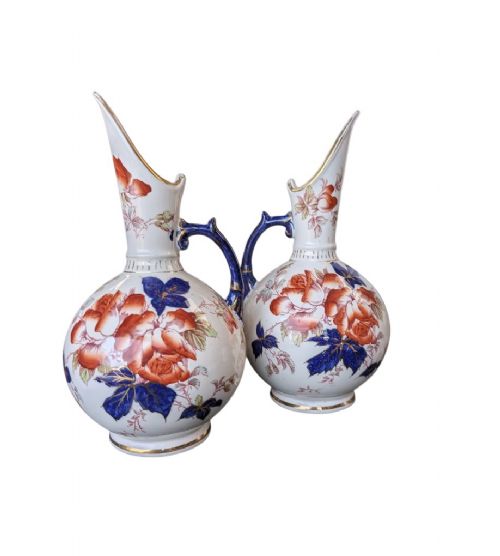
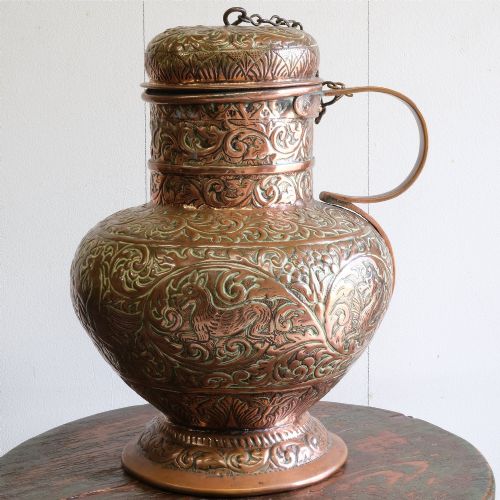
Antique Floral Water Jug
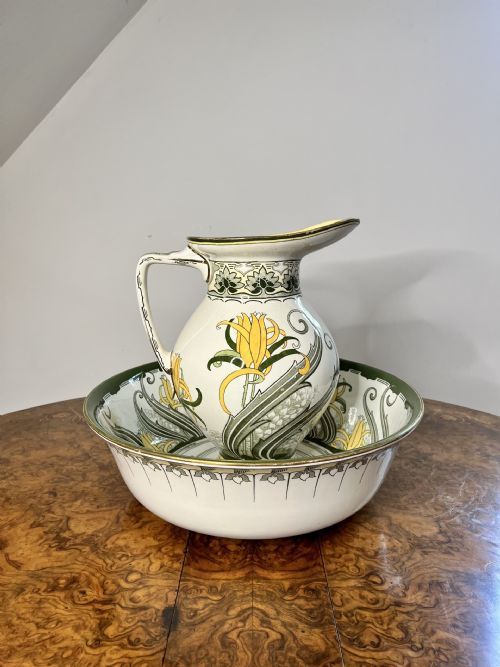
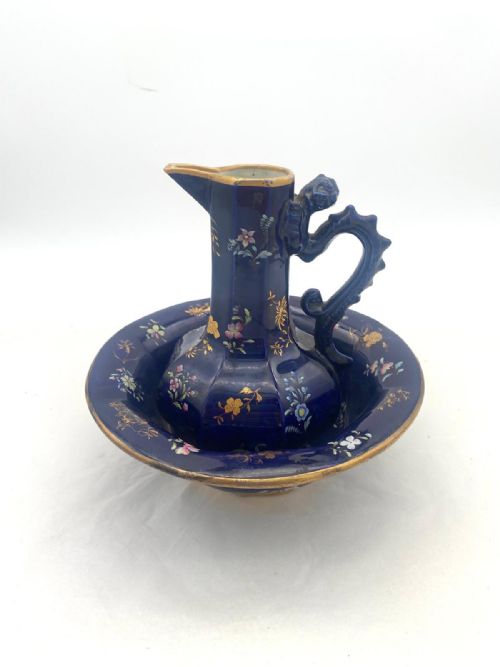
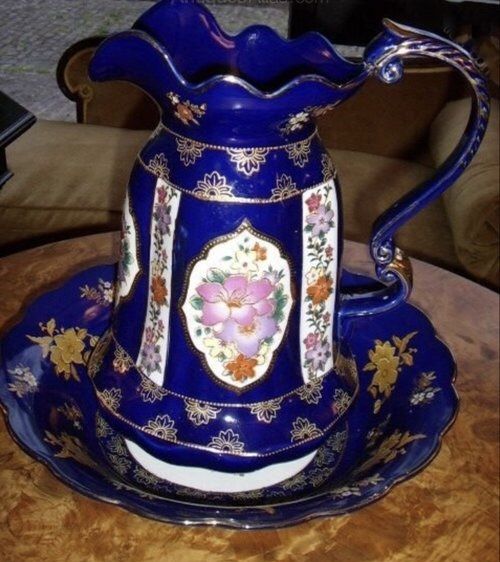
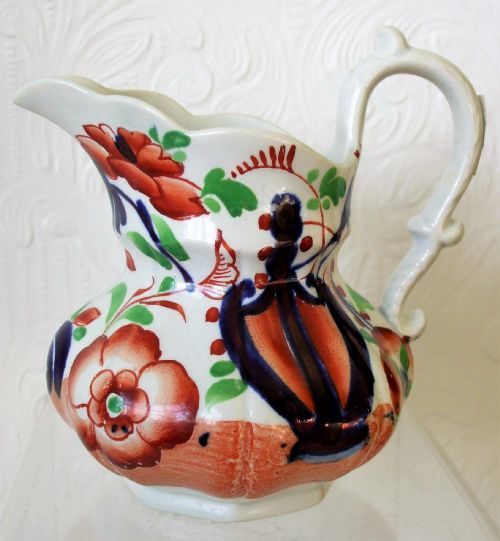
An antique floral water jug brings botanical colour and functional grace to a washstand or table.
Antique Floral Water Jug
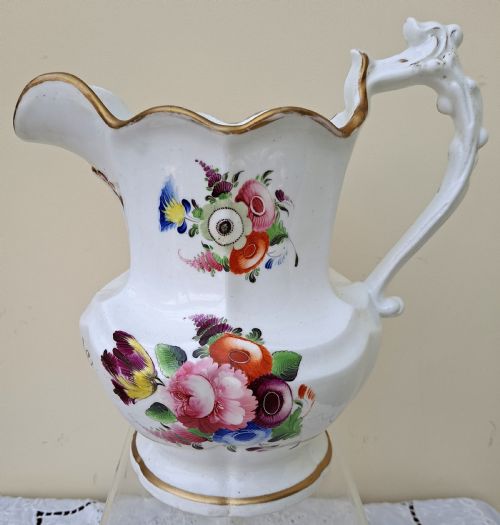
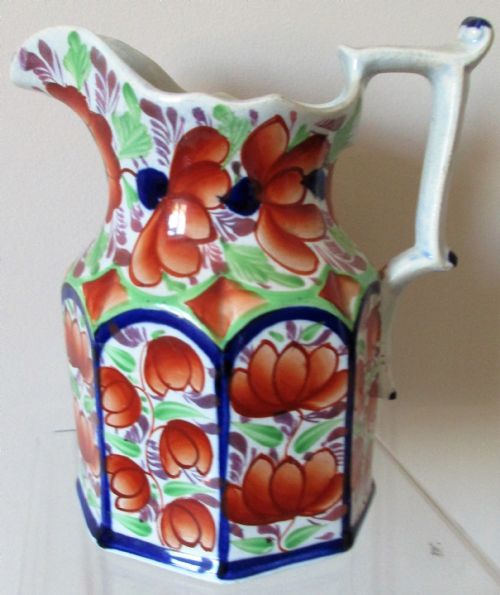
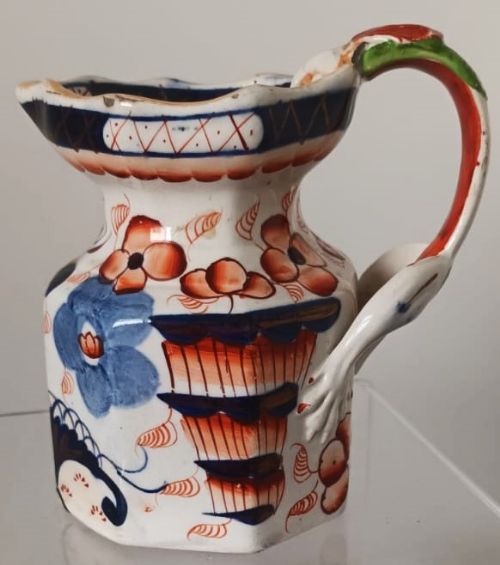
An antique floral water jug is a utilitarian vessel transformed through botanical decoration, originating in periods from the Georgian era through the Victorian and Edwardian decades to the nineteen-thirties.
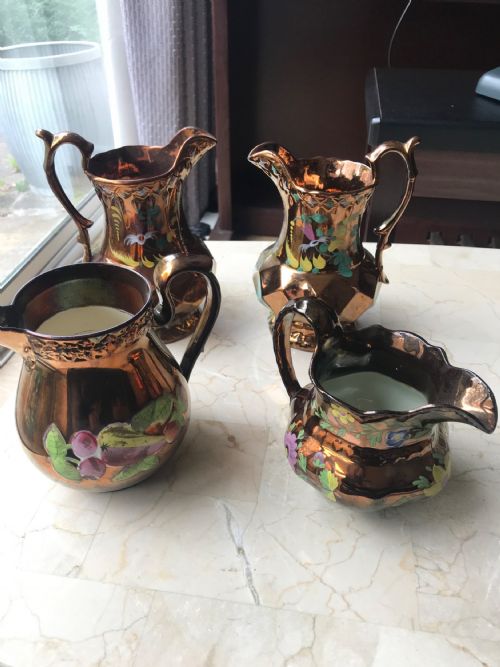
Buyers seeking this phrase encounter earthenware, porcelain, and copper examples, often accompanied by matching basins in wash sets.
The decorative motifs draw on English transfer printing, hand-painted flower patterns, and relief moulding, ranging from domestic chamber services to display ewers.
How they were made
Potters shaped clay bodies such as earthenware, pearlware, and ironstone on the wheel or pressed them into moulds like cabbage leaf designs.
Decoration relied on cobalt blue glazes, transfer printing in magenta, enamel painting, and gilding, often finished with transparent glaze firings.
Metal versions utilised copper and brass, shaped with hand-engraved floral relief, woven handles, or silver plating.
Antique Floral Water Jug Retail Price Guide 2026
Typical asking prices for floral water jug among the pieces listed under this phrase on Sellingantiques today, from the lower quarter to the upper quarter. They describe what is for sale here now, not the wider market.
Listings feature earthenware, porcelain, copper, and enamel materials across Georgian, Victorian, and Edwardian periods.
What varies in quality
Quality rests in the crispness of the moulding and the precision of the botanical transfer print or hand-painted brushwork.
Maker attribution elevates a piece, with factories like Royal Worcester, Mason's, and Doulton achieving superior ceramic bodies and glaze depth.
Stevens and Williams·Doulton Burslem·Masons Ironstone·Keeling and Co·Joseph Sankey·Royal Worcester·Caughley Coalport·Christofle
The Antique Floral Water Jug Glossary
- Earthenware
- Porous pottery fired at lower temperatures, commonly coated in an opaque or transparent glaze. It forms the body of many domestic wash jugs.
- Transfer printing
- A technique where an engraved copper plate transfers a design onto tissue paper, which is then stamped onto the ceramic body before glazing. This method allowed intricate floral patterns to be produced in quantity.
- Ewer
- A large jug with a flared spout and a curved handle, traditionally used for pouring water. Victorian examples often served decorative roles alongside matching basins.
- Pearlware
- A refined earthenware developed in the late eighteenth century featuring a pale bluish glaze that pooled in recesses to mimic Chinese porcelain. It frequently carries botanical motifs.
- Ironstone
- A heavy, durable ceramic patented in the early nineteenth century to imitate porcelain. It provides a sturdy canvas for vibrant floral transfer designs.
Antique Floral Water Jug: Frequently Asked Questions
What was an antique floral water jug used for?
These vessels served practical washing and serving needs in bedchambers and dining rooms before indoor plumbing became universal. They held water for morning ablutions or served liquids at the table.
Over time, many jugs transitioned from daily utensils into decorative display pieces, particularly when preserved alongside matching basins.
How do I identify the period of a jug?
Ceramic bodies, glaze characteristics, and factory marks guide dating. Georgian pieces often display pearlware bodies and hand-applied transfer prints, while Victorian examples show bolder polychrome enamels and copper lustre.
Twentieth-century items introduce different pattern registrations and simpler earthenware bodies, reflecting changing domestic tastes.
Can I use these jugs for daily water service?
Most antique ceramic and metal jugs function adequately for holding water, though antique glazes and enamel decorations require gentle hand washing.
Many collectors prefer to display them safely on washstands or sideboards to protect historical surfaces from modern detergents and thermal shock.
Why do some jugs come with basins?
Complete wash sets paired a large water jug with a matching basin for bedroom hygiene before fitted bathrooms existed. The shared floral pattern ensured a unified decorative scheme for the washstand.
Finding a surviving jug and basin together represents the original domestic setup.