


Antique Floral Study
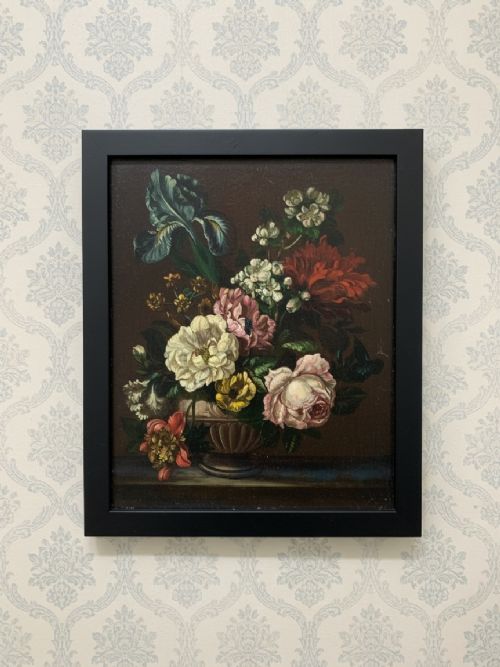
An antique floral study brings the quiet observation of nature into a room, offering botanical precision and painted colour across paper, canvas, and panel.
Antique Floral Study
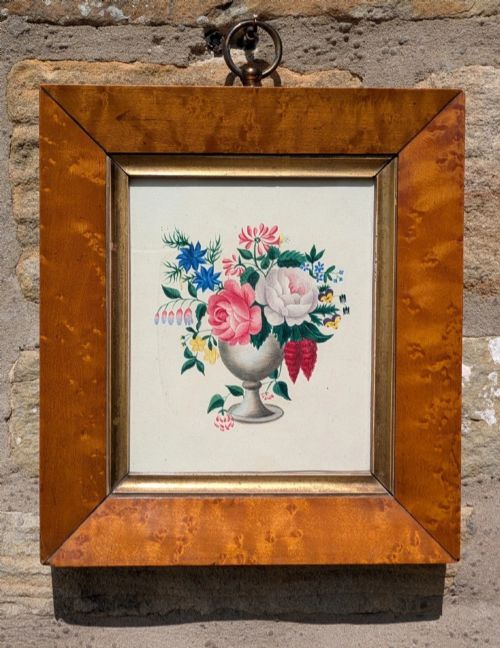
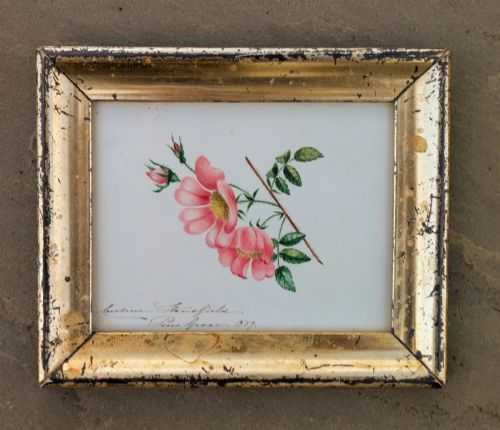
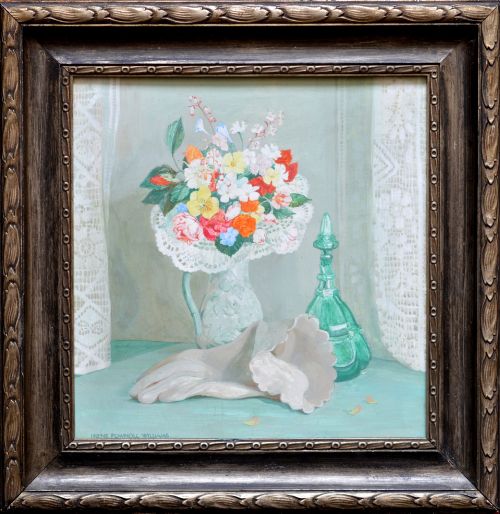
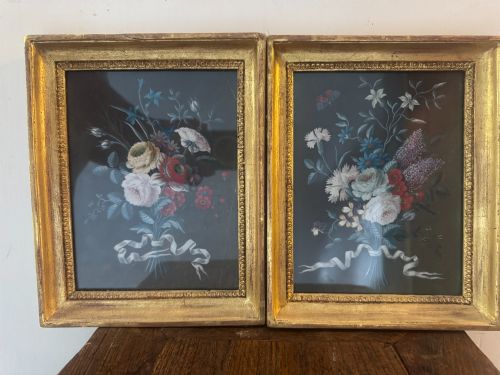
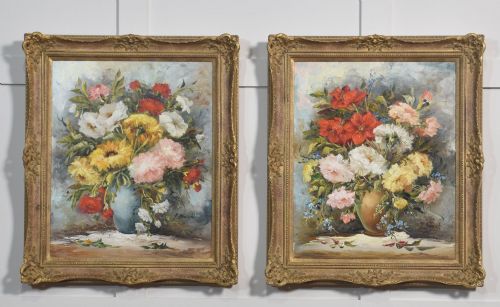
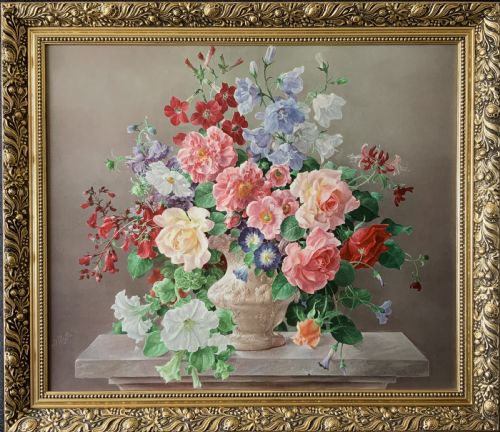
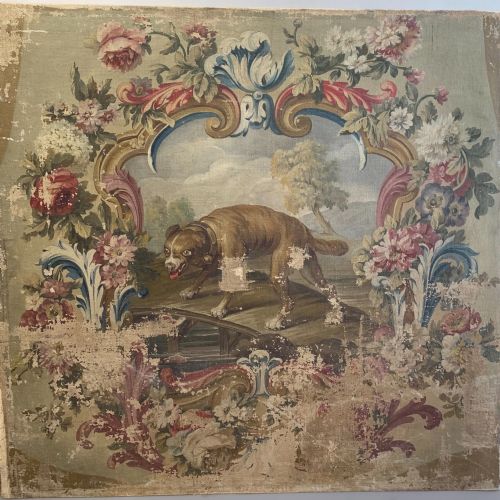
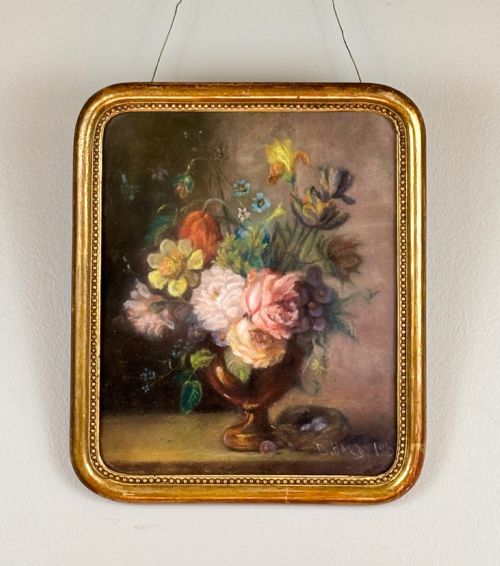
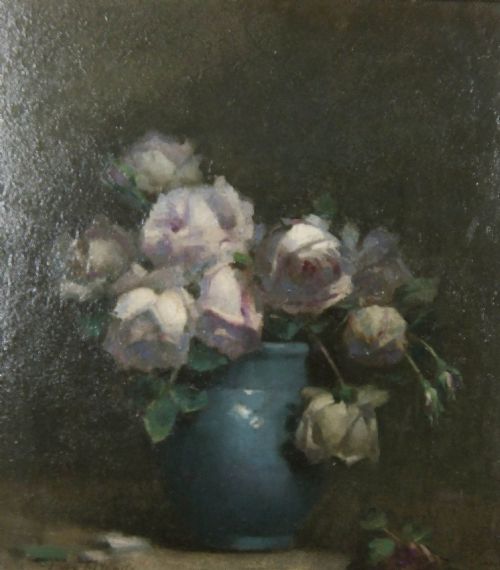
When you search for an antique floral study, you encounter works executed in watercolour, oil, gouache, and tempera that record blooms with scientific accuracy or artistic freedom. These pieces range from delicate Regency and Victorian watercolours on paper to substantial oil paintings on canvas and panel from the nineteenth and early twentieth centuries.
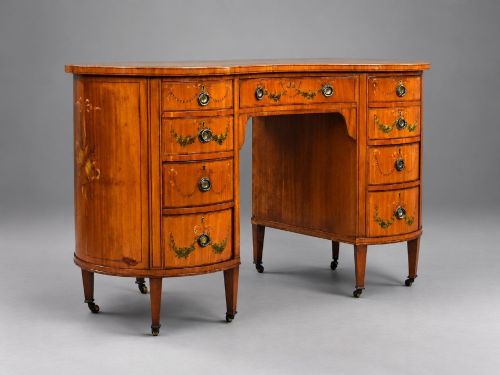
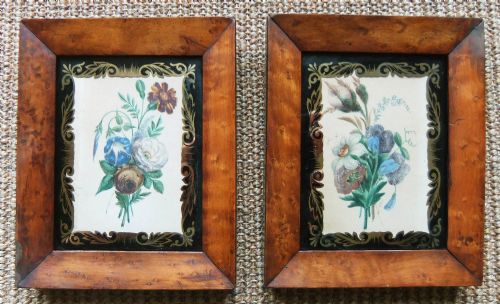
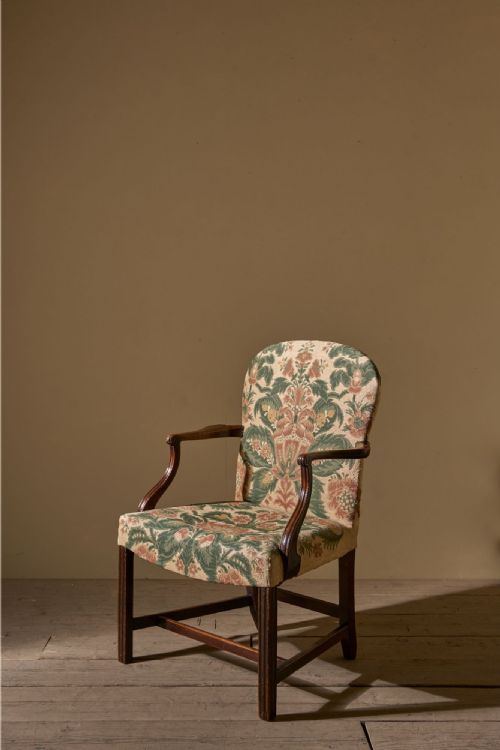
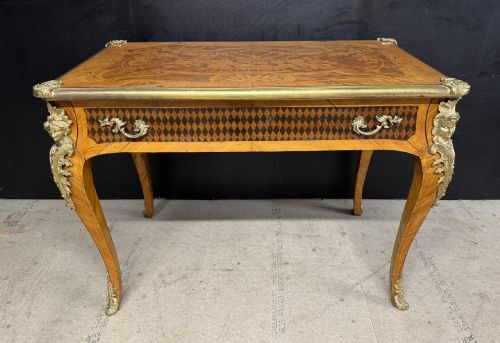
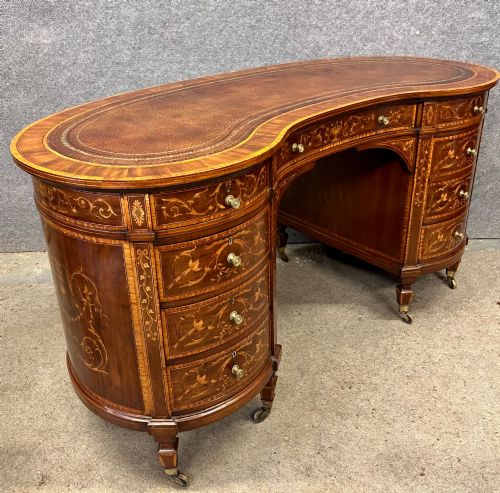
The selections on this page span British and continental schools, encompassing framed prints, lithographs, and intimate paintings of roses, pansies, and azaleas. Alongside dedicated works on paper, the selection includes related library and study furnishings that share the domestic interior of the period.
Materials and methods of execution
Artists relied on watercolour applied to paper, or oil and tempera worked onto canvas and wooden panels, to capture the transient detail of petals and foliage. Supporting supports often include fine framing, while related library pieces incorporate mahogany, satinwood, and marquetry inlays.
Printmakers utilised lithography and engraving techniques to multiply botanical illustrations, sometimes pairing plant studies with insects to aid natural history recording. Pigments were brushed with fine precision, allowing layers of wash or impasto to define the structure of each flower.
Antique Floral Study Retail Price Guide 2026
Typical asking prices for floral study among the pieces listed under this phrase on Sellingantiques today, from the lower quarter to the upper quarter. They describe what is for sale here now, not the wider market.
The listings span the nineteenth and twentieth centuries, uniting works on paper, canvas, and panel with period desks in mahogany and satinwood.
Distinctions in craftsmanship and observation
Quality rests in the fidelity of botanical drawing and the sureness of the brushwork, where master hands achieve naturalistic light and shadow without stiffness. Lesser examples rely on rigid outlines and flat washes, whereas superior works convey the delicate translucency of petals and the varied textures of leaves.
The preservation of the paper or canvas dictates the visual success of the piece, with stable pigments and minimal fading maintaining the integrity of the original palette. Maturation of the support, whether mahogany panel or heavy rag paper, further underscores the distinction between casual amateur output and professional studio execution.
Irene Christobelle Pownoll Williams·William Thomas Wood·Ernest Higgins Rigg·Pierre-Joseph Redouté·John Curtis·Marion Broom·Owen Bowen
The Antique Floral Study Glossary
- Watercolour
- A painting method where finely ground pigments are suspended in a water-soluble binder, traditionally applied to absorbent paper. It allows for translucent washes that suit delicate botanical illustration.
- Gouache
- An opaque water-based medium containing pigment mixed with a binding agent and white filler. It provides heavier coverage than watercolour, producing saturated tones and solid highlights.
- Tempera
- A permanent, fast-drying painting medium consisting of coloured pigment mixed with a water-miscible binder such as egg yolk. It yields a durable, matte surface often found on wooden panels.
- Lithography
- A planographic printing process based on the mutual repulsion of oil and water. It enabled the accurate reproduction of multi-coloured botanical plates and tile designs.
- Marquetry
- The decorative craft of applying thin pieces of wood veneer to a structure to form ornamental patterns. It appears frequently on the writing tables and desks associated with study interiors.
Antique Floral Study: Frequently Asked Questions
How do I hang a watercolour study?
Watercolour pieces require protection from direct sunlight to prevent the pigments from fading over time. Conservation mounting with acid-free materials ensures the paper remains stable within its frame.
Position these works on interior walls away from damp spaces to preserve both the paper support and the surrounding wooden or gilded frame.
Were these studies used for science?
Many botanical works served as working records for horticulturists, naturalists, and publication plates. Artists collaborated with scientists to document plant species with exact anatomical detail.
Other paintings prioritised decorative composition and mood over strict scientific taxonomy, focusing on floral arrangements within domestic settings.
How do I date an oil painting?
Dating relies on examining the canvas weave, the stretcher construction, and the type of ground applied before painting. Pigment analysis and the style of the brushwork also offer clues to the period of execution.
Signatures, framing details, and inscriptions on the reverse of the panel or stretcher frequently provide corroborating evidence for the date.
How should I care for panel paintings?
Paintings on wooden panels need stable room temperatures and moderate humidity to prevent the wood from warping or splitting. Avoid placing them near heat sources or exterior walls.
Dust the surface gently with a soft, dry brush and consult a professional conservator if the paint layer shows signs of cracking.