
Antique Floral Still Life
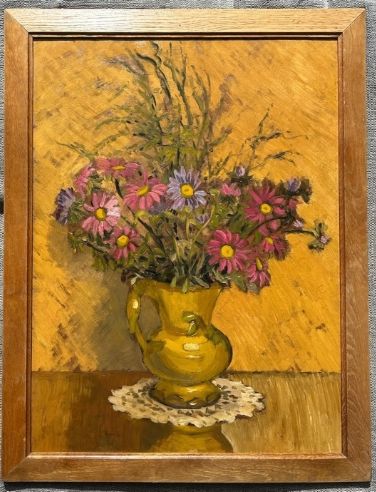
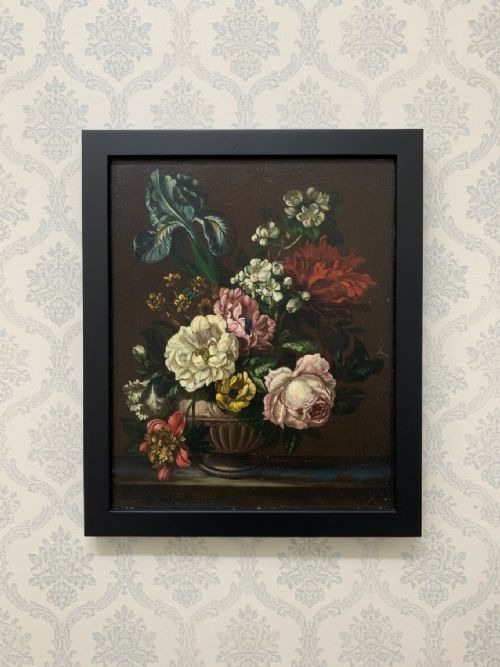
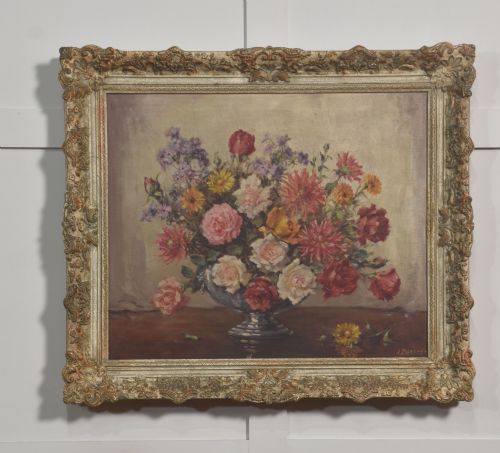
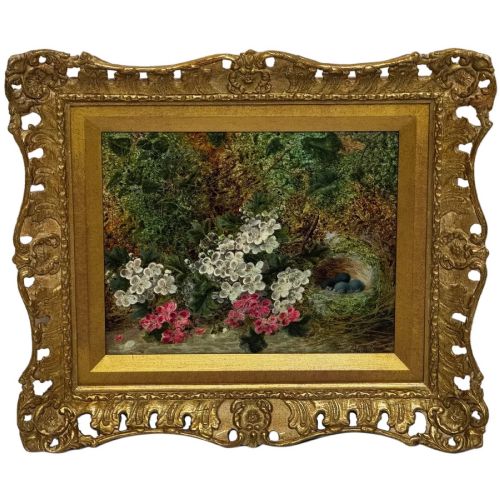
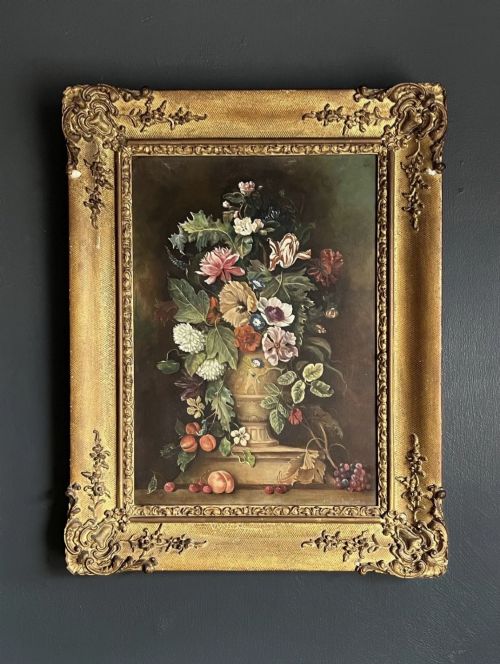
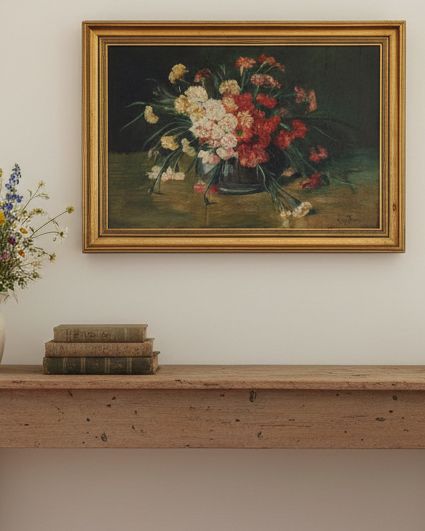
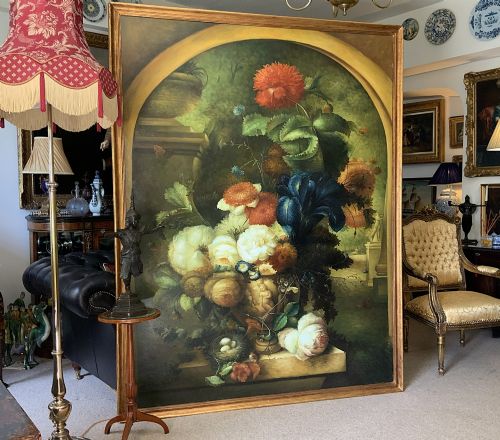
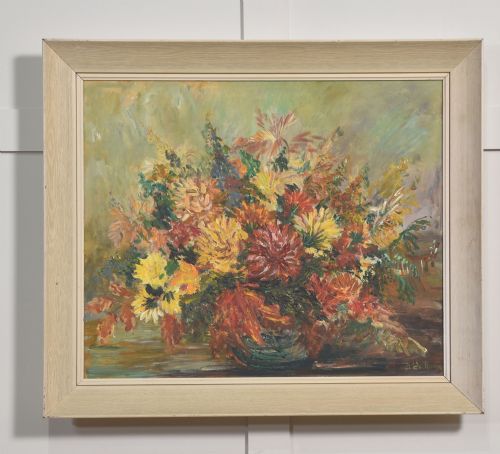
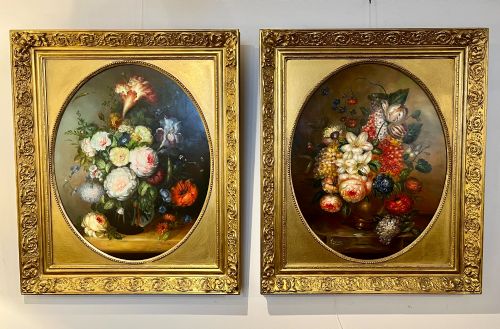
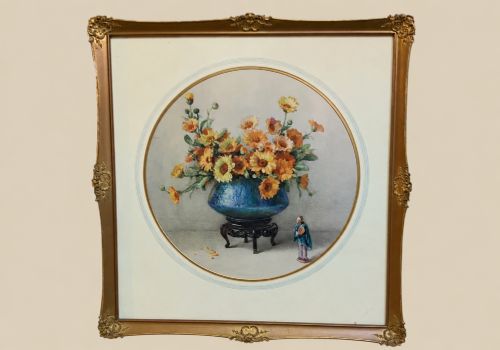
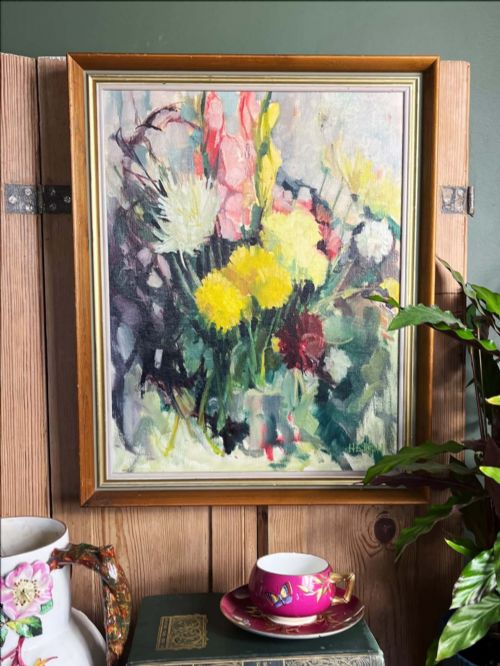
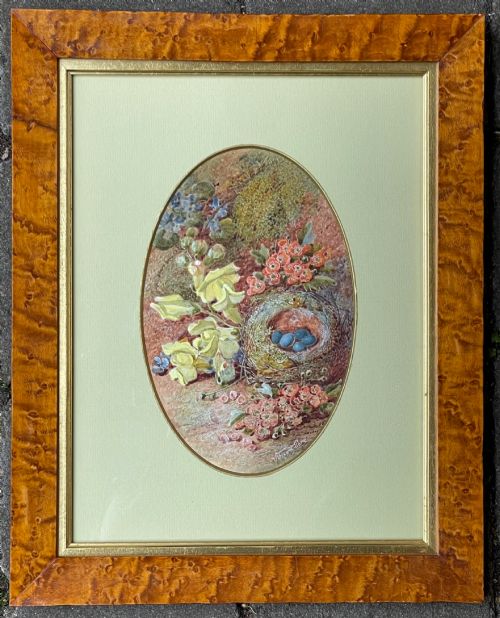
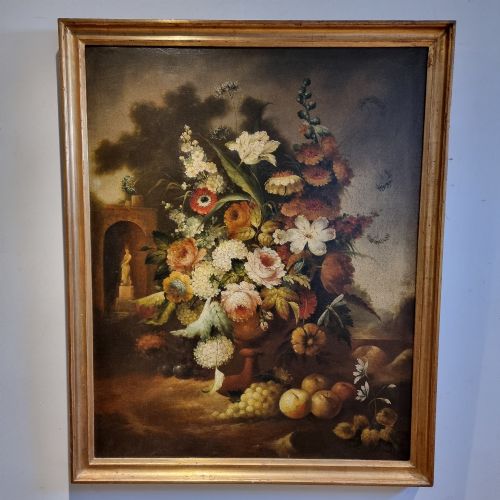
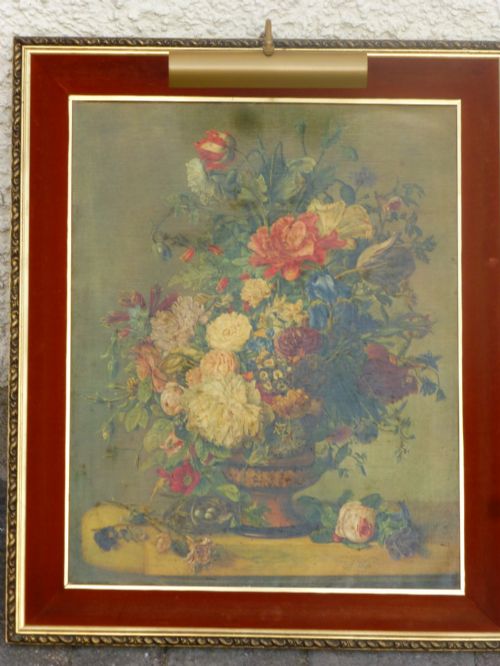
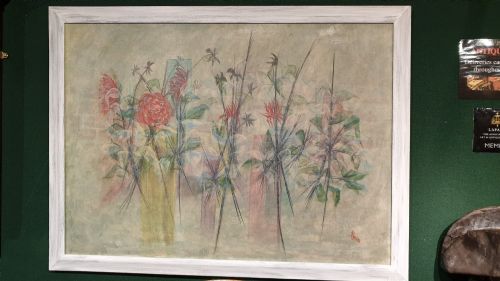
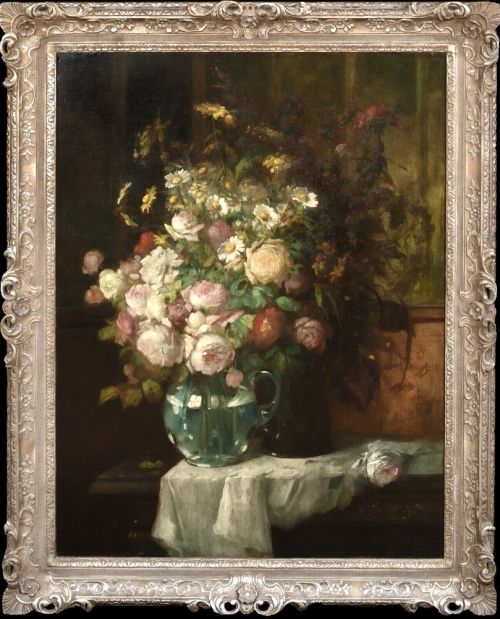
These antique floral still life paintings capture painted arrangements of blooms across canvas, panel and board from the nineteenth century onward.
What They Are
An antique floral still life presents arranged blooms, vases, urns and baskets captured in paint across various supports. The pieces on this page span the nineteenth century, the nineteen-twenties, and the nineteen-thirties, reflecting diverse regional schools and artistic approaches.
Buyers will encounter oil paintings executed on canvas, wood panels, board and metal panels. Many retain their original giltwood or gilded frames, which complete the presentation of these botanical studies.
The selections range from British Impressionism and English Country House aesthetics to Italian, Flemish Revival and Dutch School traditions. Works appear from named artists alongside pieces originating from English and French schools.
How They Were Made
These works utilise oil paint applied to prepared surfaces including canvas, wood panel, circular wood panel, metal panel, card and board. Pigments build up the texture of petals, leaves and vessels through varied brushwork.
Retail Price Guide 2026
Typical UK retail prices for floral still life, calculated from the Sellingantiques database of over a million retail prices indexed since 2003. This retail price guide relies exclusively on Sellingantiques data; no external sources or auction records are used, so the figures do not describe the wider market.
Materials documented across these artworks include oil paint, canvas, wood panels, metal panels, board, card, gilt and giltwood frames.
What Varies in Quality
Quality rests in the handling of the subject, from tightly rendered studies of carnations and mock orange flowers to looser, more expressive arrangements of roses and anemones. The expressiveness of the brushwork and the harmony of the composition define the visual weight of each piece.
The preservation of the paint surface and the originality of the accompanying giltwood frame influence the character of the object. Works that retain their period frames and untouched painted surfaces offer a more complete historical example.
Owen Bowen·Margaret Evangeline Wilson·Isabelle Cohen·H C Mellor·W E Littlewood·Bertoldo Taubert·Marthe Barbaud-Koch·Sylvain Vigny
The Antique Floral Still Life Glossary
- Canvas
- A heavy woven fabric stretched across a wooden frame to serve as a support for oil painting. It provides a slightly flexible surface that holds the paint layers.
- Giltwood
- Wood that has been coated with a thin layer of gold leaf or gold paint. This material is standard for traditional picture frames.
- Panel
- A flat piece of wood, metal or board used as a rigid support for painting instead of fabric. Panels offer a solid ground that resists the flexing associated with canvas.
- Still life
- An artwork depicting inanimate subject matter, typically commonplace objects such as cut flowers in a vase, baskets or urns. This genre allows artists to focus on colour, light and arrangement.
Frequently Asked Questions
What periods do these paintings come from?
The works span from the nineteenth century through the nineteen-twenties and nineteen-thirties. Specific dates and eras are recorded where known.
Pieces range from late nineteenth-century academic and school studies to modernist and post-war interpretations by European artists.
What materials are used in these artworks?
Artists used oil paint applied to supports such as canvas, wood panels, circular wood panels, metal panels, card and board.
Frames are commonly constructed from wood and finished with gilt or giltwood to complement the painted floral subjects.
Are the frames original to the paintings?
Many listings specify period frames, such as antique giltwood frames that match the age of the canvas or panel.
Original framing enhances the integrity of the piece, though frames can sometimes reflect later Victorian or twentieth-century conservation choices.
How do regional styles differ?
The selection includes British Impressionism, English Country House aesthetics, Flemish Revival, and Dutch School influences alongside French and Italian school works.
Each regional tradition brings distinct approaches to colouration, brush technique, and the arrangement of blooms within vases or baskets.