





Antique Floral Needlework Panel
An antique floral needlework panel brings centuries of hand-stitched botanical artistry into a room, offering rich texture and historic charm.
Antique Floral Needlework Panel
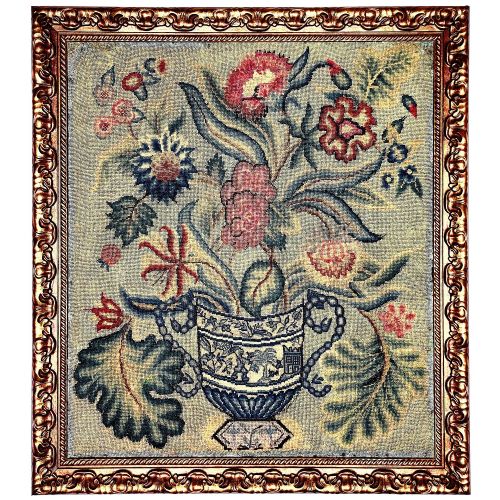
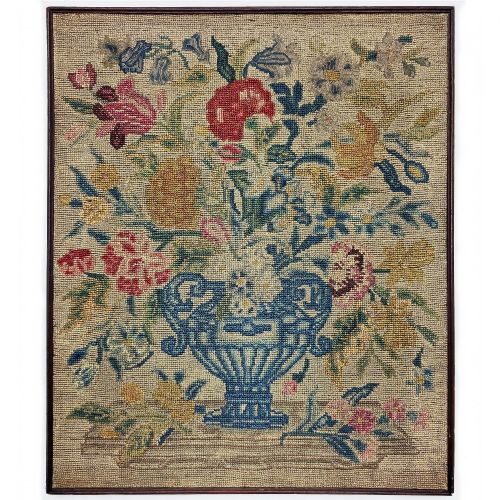
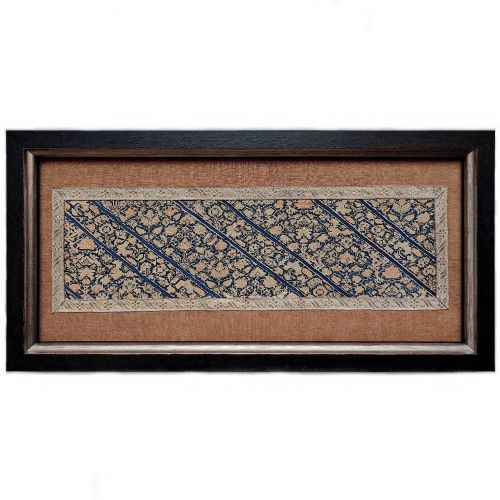
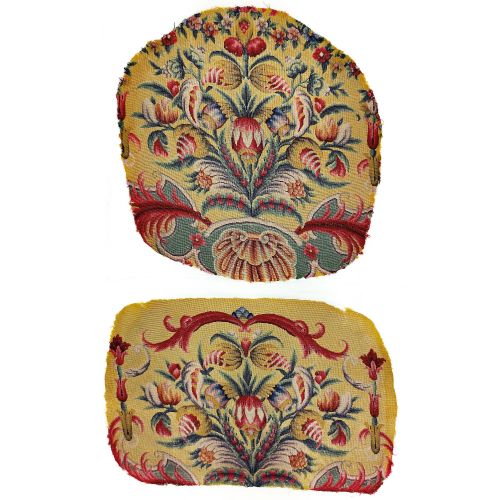
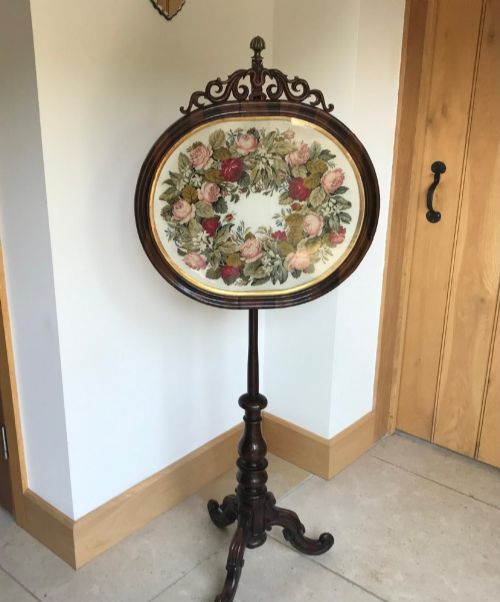
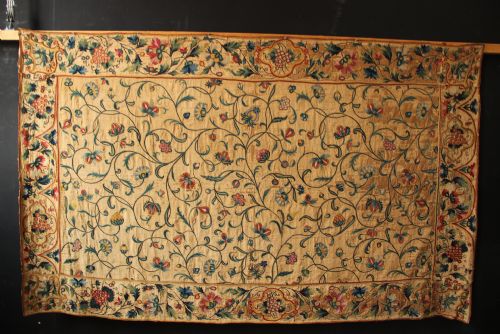
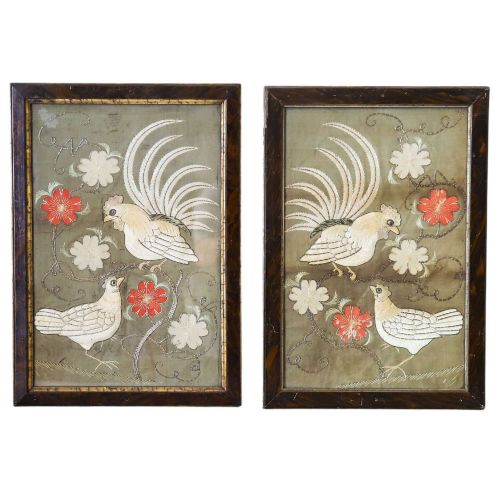
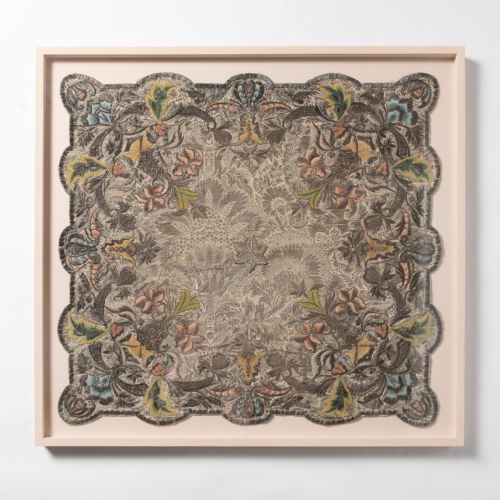
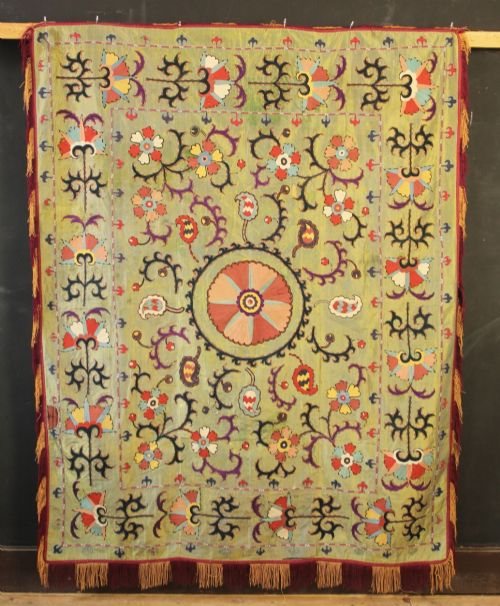
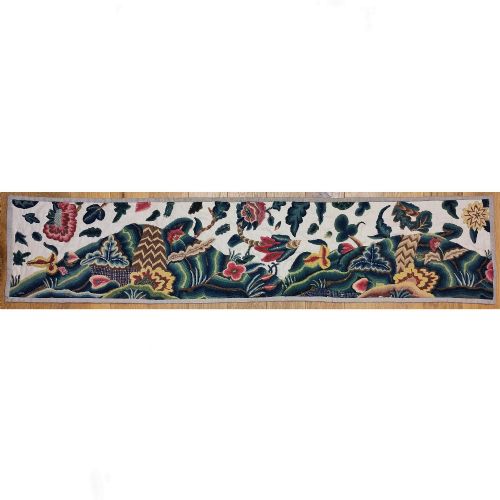
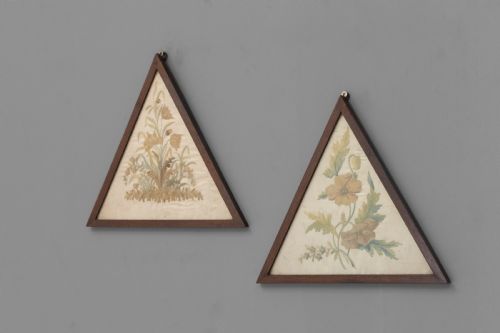
When searching for an antique floral needlework panel, buyers encounter a diverse selection ranging from English crewelwork and European tapestries to Central Asian Suzanis and framed silk pictures. The items span periods from the 17th century through the Victorian era up to the 1930s, encompassing wall hangings, framed works, and functional furniture inserts like fire screens.
The English and European pieces often display detailed floral motifs in wool or silk on linen, while the Central Asian textiles present large-scale botanical designs executed in silk on cotton or felt grounds. Many examples arrive mounted and framed for display as wall art, preserving textiles originally created as cushion covers or decorative hangings.
Materials and construction methods
The pieces rely on natural textiles, utilising silk, wool, and cotton threads worked onto linen, cotton, or felt foundations. Makers employed varied stitch techniques, from fine crewel embroidery and silk embroidery to applique work and tapestry weaving.
Wooden frames, brass mounts, and glass often protect the textile panels, while specific items integrate into larger wooden structures like rosewood pole screens and mahogany fire screens.
Antique Floral Needlework Panel Retail Price Guide 2026
Typical asking prices for floral needlework panel among the pieces listed under this phrase on Sellingantiques today, from the lower quarter to the upper quarter. They describe what is for sale here now, not the wider market.
Materials represented across the selection include silk, wool, cotton, linen, wood, brass, and glass.
Distinguishing quality in needlework panels
Quality rests upon the fineness of the stitchwork, the complexity of the botanical design, and the preservation of the textile ground. Pieces executed with tight, uniform stitches and sophisticated colour palettes stand apart from simpler folk items.
The integrity of the fabric foundation and the vibrancy of the surviving silk or wool threads largely determine the visual impact of the panel.
The Antique Floral Needlework Panel Glossary
- Suzani
- An embroidered tribal textile originating from Central Asia, typically featuring bold floral and botanical motifs worked in silk.
- Crewelwork
- A traditional form of embroidery utilising wool yarn to create flowing floral and foliate designs on a linen ground.
- Sampler
- A piece of needlework produced to demonstrate proficiency in various stitches, often bearing alphabets, dates, and maker names.
- Tapestry
- A form of textile art woven by hand on a loom, depicting pictorial or floral scenes.
- Pole screen
- A freestanding wooden screen with an adjustable panel designed to shield a person from fireplace heat.
Antique Floral Needlework Panel: Frequently Asked Questions
How do I hang a textile panel safely?
Many framed panels arrive ready for wall mounting using standard picture hooks secured to wall studs. Unframed textiles often require professional mounting behind conservation glass to support the weight and protect the fibres.
Keep textile displays away from direct sunlight to prevent the silk and wool threads from fading over time.
What is the difference between a Suzani and a European needlework?
Central Asian Suzanis typically feature large-scale, vibrant silk embroidery on cotton or felt grounds with bold floral medallions. European needlework generally relies on wool or fine silk stitched onto linen, often reflecting formal garden designs or classical artistic traditions.
Both types offer botanical imagery but originate from distinct cultural and technical backgrounds.
Can I use a fire screen panel functionally?
Historic fire screens were originally designed to block radiant heat from a fireplace using an adjustable needlework panel. Today, these pieces function primarily as decorative room dividers or wall art.
Avoid placing wooden screens with antique textiles too close to active heat sources to protect the delicate fibres and wood frames.
How are different periods identified?
Dating relies on stylistic markers, stitching techniques, and materials characteristic of specific eras such as 17th-century crewelwork or Victorian framed silk pictures. Fashions in botanical motifs and framing styles also provide clear clues to the decade of creation.
Documentation or traditional maker signatures stitched directly into samplers can further confirm the precise origin.