






Antique Floral Jar
These antique floral jar examples unite delicate painted botanical motifs with centuries of ceramic and glass craftsmanship.
Antique Floral Jar
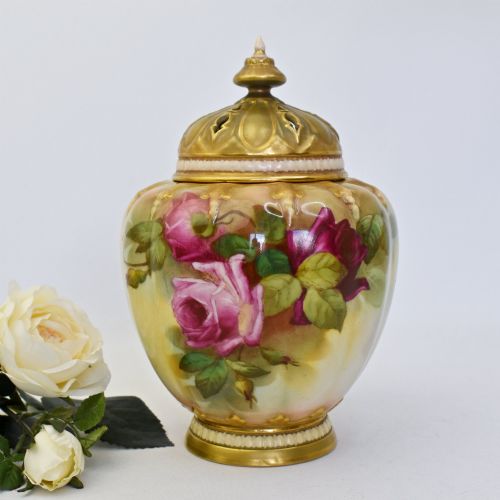
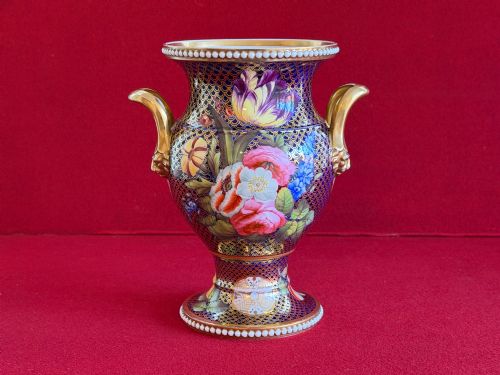
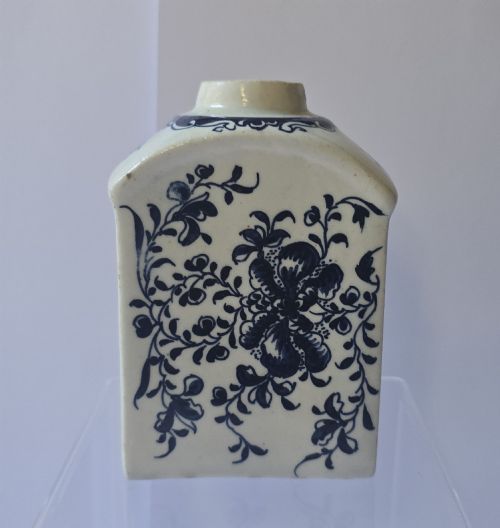
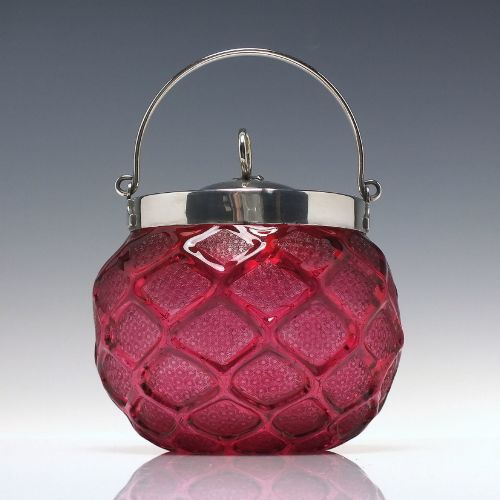
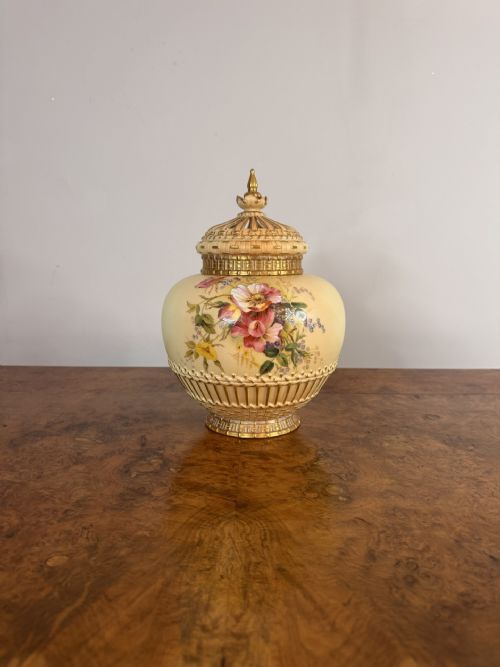
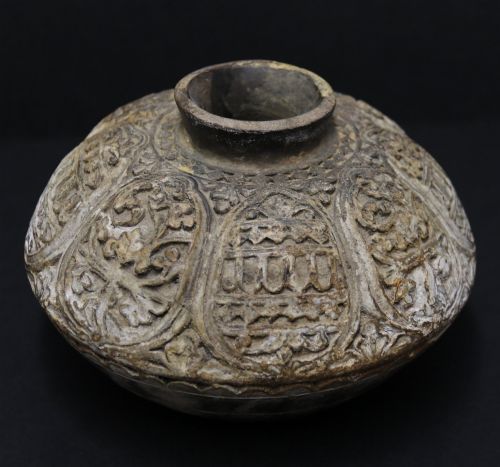
An antique floral jar brings centuries of domestic ornamentation into modern interiors, functioning as a container, potpourri holder, or display vessel. When searching for an antique floral jar, collectors encounter pieces spanning the eighteenth century through the Edwardian era, taking forms such as ginger jars, lidded vases, biscuit barrels, and dressing table jars.
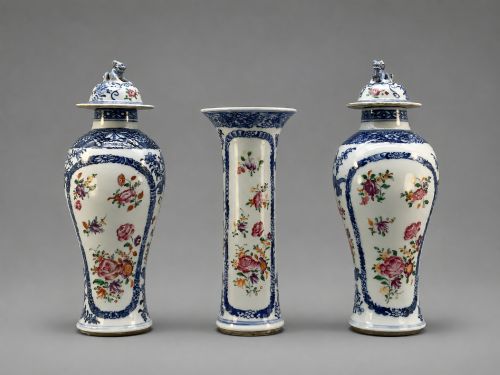
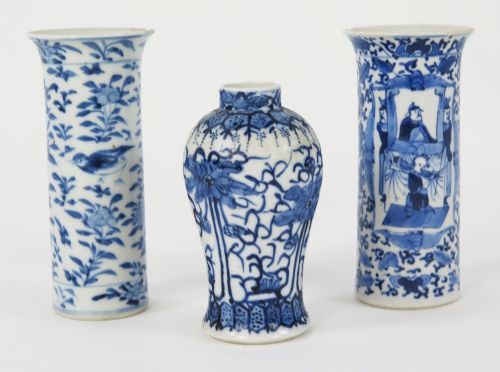
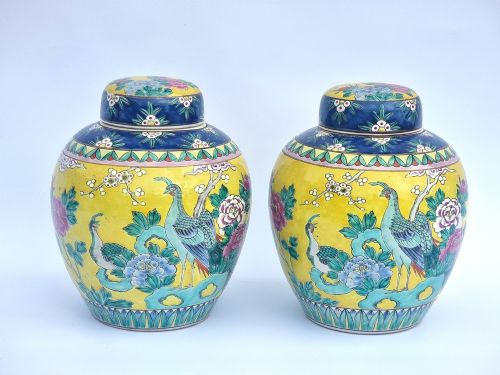
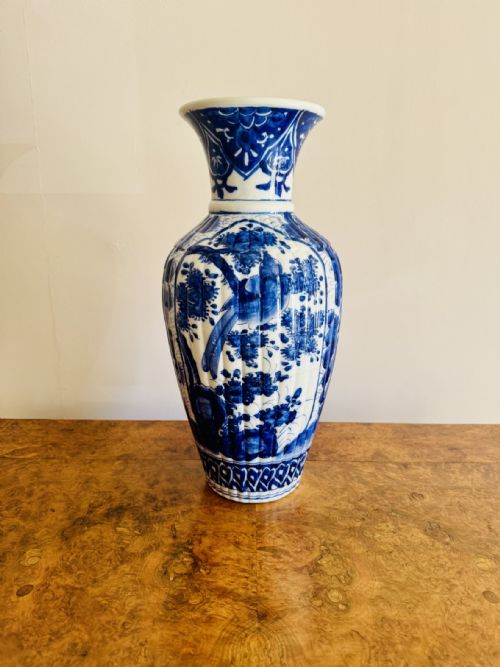
The objects originate from diverse traditions, ranging from English earthenware and porcelain factories to Japanese Meiji period kilns and continental European workshops. Blue and white delftware, Japanese Imari patterns, and polychrome enamel designs dominate the physical evidence, often presenting botanical subjects rendered by hand.
Vessels with lids frequently serve as ginger jars or potpourri pots, whilst smaller lidded containers function as dressing table jars or tea canisters. The structural forms vary from bulbous baluster shapes to slender garlic-head and bottle vases.
How They Were Made
Potters and artisans utilised porcelain, earthenware, ceramic, and glass as base materials, applying glazes and enamels to achieve durable, colourful surfaces. Japanese makers employed intricate cloisonné enamel techniques, laying down metal wires to partition the pigments before firing.
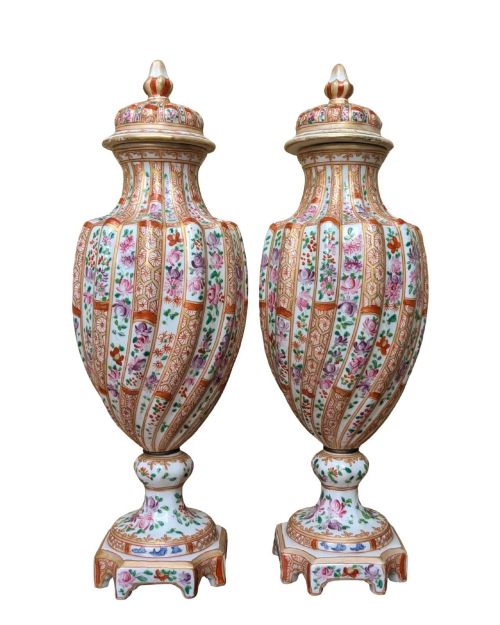
Decoration relied on hand-painted botanical motifs, sometimes enhanced with gold leaf accents or transfer-printed blue and white patterns. European factories such as Royal Worcester, Derby, and Leeds Pottery applied specialised ceramic bodies, while glassmakers utilised etching and enamel painting on frosted, green, and Bristol blue glass.
Antique Floral Jar Retail Price Guide 2026
Typical asking prices for floral jar among the pieces listed under this phrase on Sellingantiques today, from the lower quarter to the upper quarter. They describe what is for sale here now, not the wider market.
Listings feature eighteenth-century Chinese export porcelain alongside nineteenth-century Japanese Imari and Edwardian English earthenware.
What Varies in Quality
The distinction between standard commercial wares and exceptional pieces rests upon the precision of the hand-painted decoration and the crispness of the moulded form. Finer examples display meticulous brushwork in the floral enamels, balanced compositions, and well-preserved gilding without rubbing.
Origin and maker attribution also influence standing, with marked pieces from established factories or documented periods carrying greater weight among collectors. The integrity of matching lids on ginger jars and lidded vases remains a determining factor in the overall coherence of a piece.
Edme Samson·Ollivant And Botsford·Doulton Lambeth·Alice Euphemia Thatcher·Sitzendorf
The Antique Floral Jar Glossary
- Ginger jar
- A wide-mouthed ceramic vessel originally designed for shipping and storing spices, later adopted for decorative domestic use. These pieces typically feature high shoulders and matching domed lids.
- Cloisonné
- A decorative metalwork technique where thin wire partitions are soldered to a base to create cells filled with enamel paste. The object is then fired and polished to a smooth finish.
- Imari
- A traditional Japanese style of porcelain decorated in underglaze blue and overglaze iron red, gold, and green. The aesthetic gained immense popularity in European interiors during the nineteenth century.
- Biscuit barrel
- A ceramic or glass lidded container used in Victorian and Edwardian dining rooms for serving biscuits. They frequently incorporate silver-plated mounts, handles, and rims.
- Potpourri jar
- A lidded vessel perforated to allow dried flowers and spices to scent a room. These decorative containers often feature elaborate hand-painted floral motifs and gilt detailing.
Antique Floral Jar: Frequently Asked Questions
What were antique floral jars used for?
These vessels served various domestic functions, from storing provisions like tea and ginger to holding fragrant potpourri mixtures in reception rooms. Smaller lidded versions were kept on dressing tables to contain cosmetics, trinkets, or pins.
Over time, many of these utilitarian containers transitioned into purely decorative objects. Displayed on mantels or in cabinets, they showcased the wealth and refined taste of the household through their intricate botanical artwork.
How do I care for antique glass and ceramic jars?
Dusting these pieces requires a soft, dry cloth to protect delicate overglaze enamels and fragile painted surfaces from abrasion. Harsh chemical cleaners and immersion in water must be avoided, particularly on items with exposed metallic mounts or gold leaf.
Display locations should be chosen with care, keeping vessels away from direct sunlight to prevent the fading of coloured glazes. Ensuring a stable environment protects vulnerable materials like earthenware and frosted glass from thermal shock.
How can I tell the period of a floral jar?
Dating relies on examining the material composition, glaze characteristics, and decorative style visible on the piece. Eighteenth-century examples often display soft-paste porcelain bodies or tin-glazed earthenware with hand-pencilled cobalt decoration, whereas nineteenth-century pieces frequently utilise harder porcelain bodies and transfer-printed elements.
Maker marks, factory stamps, and registration numbers stamped or painted on the base offer definitive clues. Comparing the aesthetic to documented movements like Art Nouveau or the Meiji Period helps narrow down the decade of production.
Are lids on antique jars usually original?
Determining whether a lid is original involves inspecting the clay body, glaze colour, and wear patterns on both the cover and the base. A matching fit and consistent ageing across all surfaces indicate that the components belong together from the time of manufacture.
Because lids are fragile and easily separated or broken over centuries of use, replacement covers are common in the antique market. Close examination under magnification often reveals subtle discrepancies in the ceramic body if a lid has been paired later.