

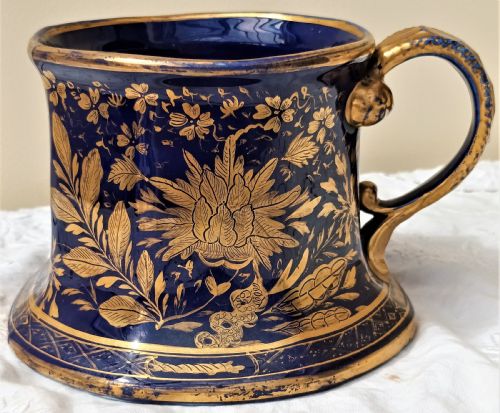
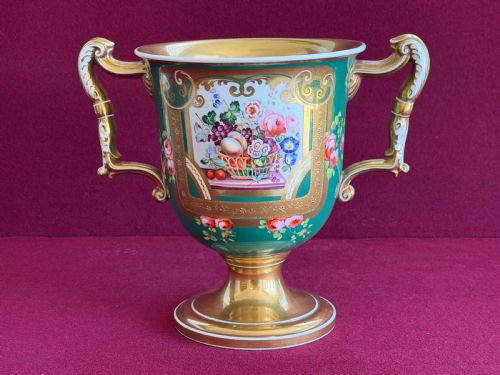


Antique Floral Ceramic Cup
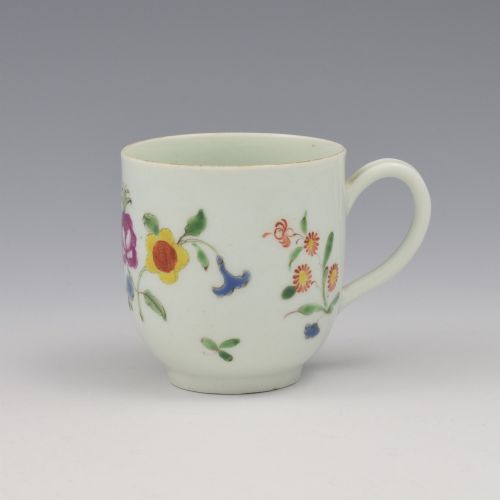
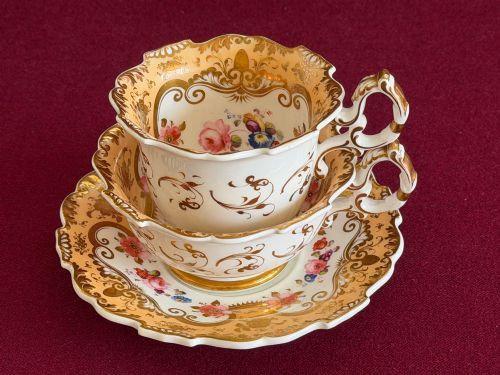
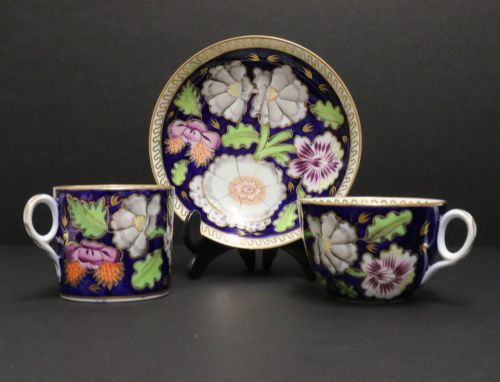
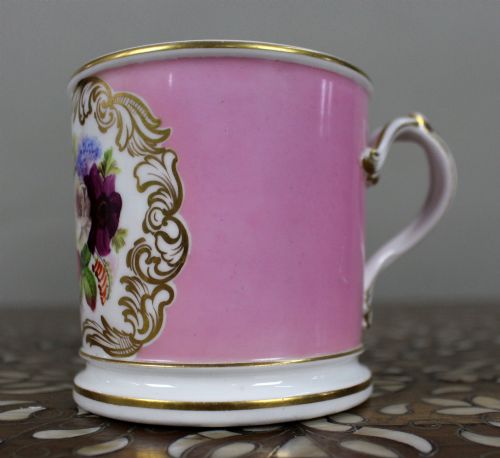
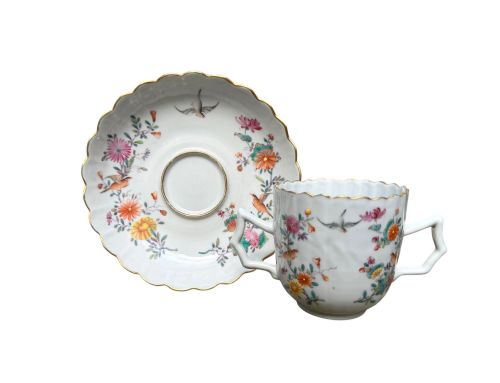
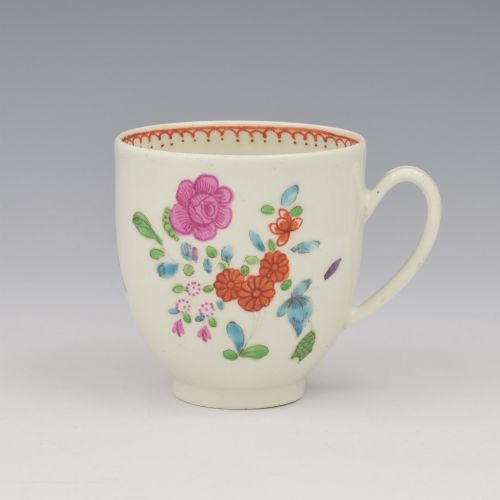
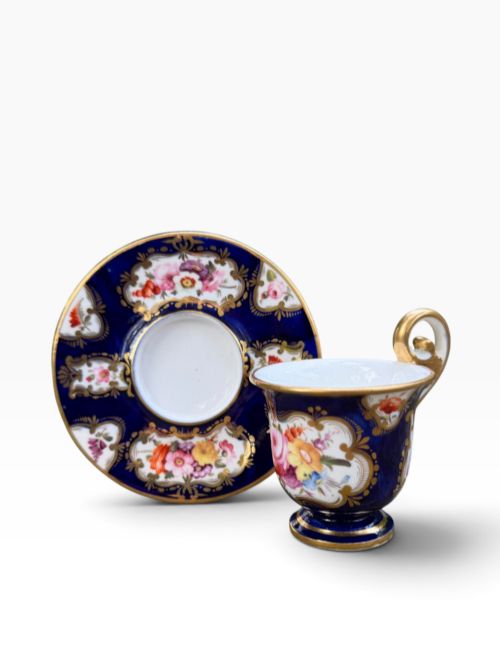
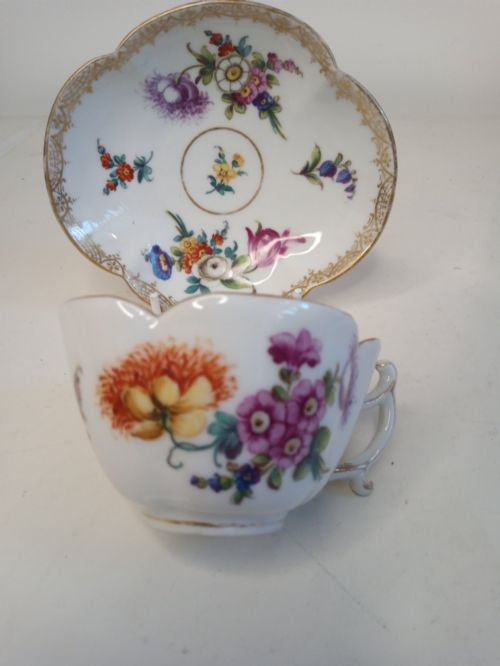
An antique floral ceramic cup brings centuries of painted blooms to the table, offering a tangible connection to early pottery traditions.
Antique Floral Ceramic Cup
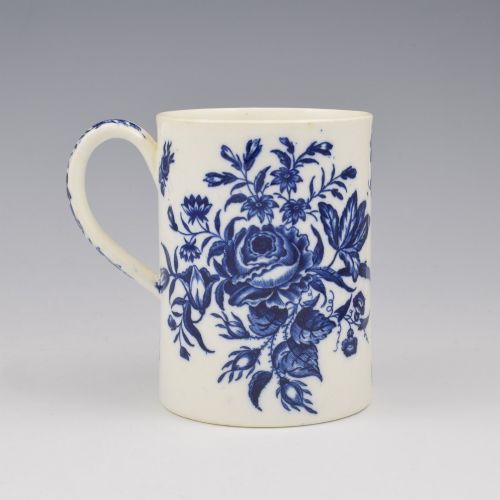
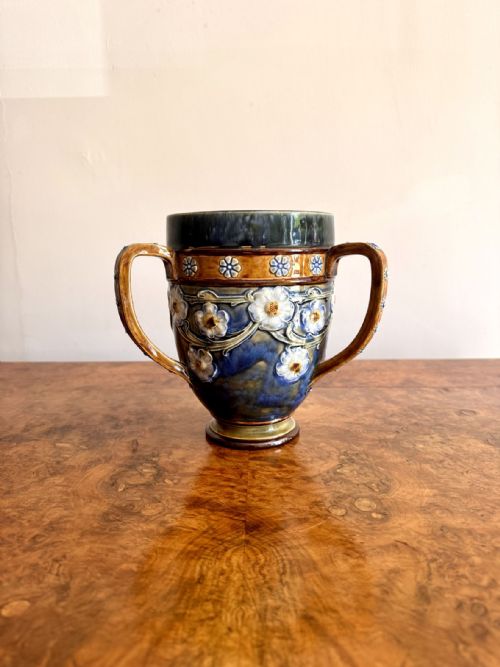
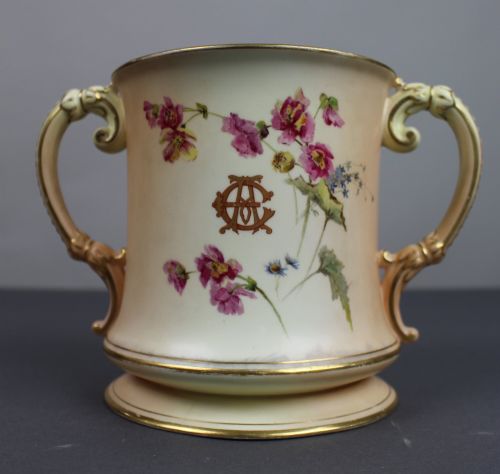
When you search for an antique floral ceramic cup, you encounter a range of forms spanning tea vessels, coffee cans, cabinet cups, and mugs. The selection extends from eighteenth-century English and Chinese porcelain to nineteenth-century bone china, earthenware, and ironstone.
Most examples hail from the Regency and Victorian eras, alongside pieces from eighteenth-century factories and twentieth-century makers. These vessels often appear alongside saucers, stands, or as part of larger tea sets decorated with botanical motifs.
How They Were Made
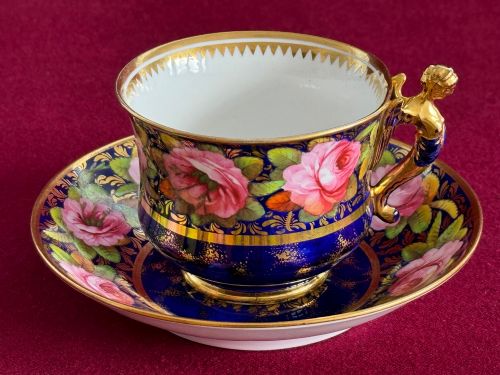
Potters shaped these vessels using porcelain, bone china, creamware, and ironstone, applying glazes and enamel colours by hand. Artisans incorporated gold leaf, gilding, and gilt highlights to accentuate painted floral patterns.
Techniques varied from hand-painted botanical sprays on Worcester and Coalport porcelain to transfer-printed patterns on ironstone and earthenware bodies, fired in kilns to fix the pigments.
Antique Floral Ceramic Cup Retail Price Guide 2026
Typical asking prices for floral ceramic cup among the pieces listed under this phrase on Sellingantiques today, from the lower quarter to the upper quarter. They describe what is for sale here now, not the wider market.
Listings feature porcelain, earthenware, and bone china across eighteenth, nineteenth, and twentieth-century periods.
What Varies in Quality
Quality rests in the precision of the hand-painted brushwork, the clarity of the ceramic body, and the preservation of the glaze. Finer pieces demonstrate crisp detail in floral motifs and careful application of gilding.
Early porcelain bodies and specialised shapes command attention for their potting standard and the skill required to fire delicate forms without distortion.
H & R Daniel·Richard Chaffers·Newhall·Grainger Worcester·Coalport·Dr Wall Worcester·Mason's Ironstone·Royal Worcester·Kutani Ware·Clarice Cliff·Royal Doulton·Gardner Moscow Factory·Sutherland Ware·Davenport·Yates·Richard Ginori·Minton·Hutschenreuter·KPM
The Antique Floral Ceramic Cup Glossary
- Cabinet cup
- A decorative vessel made for display in a cabinet rather than daily use. These often feature elaborate painting and gilding.
- Ironstone
- A heavy, durable earthenware developed in the nineteenth century. It provides a sturdy body for colourful patterns.
- Teabowl
- A handleless drinking vessel used before cups with handles became common. They accompany matching saucers in early sets.
- Polychrome
- Multi-coloured decoration applied to ceramics. Painters utilised various enamel pigments to render floral scenes.
- Gilding
- The application of gold leaf or gold paint to ceramic surfaces. This technique highlights rims, handles, and painted motifs.
Antique Floral Ceramic Cup: Frequently Asked Questions
How do I date a floral cup?
Dating relies on identifying maker marks, ceramic bodies, and decorative styles. Eighteenth-century pieces often feature soft-paste porcelain and hand-pencilled motifs, while nineteenth-century items introduce bone china and ironstone.
Examining the glaze, handle shape, and pattern style helps narrow the period of manufacture, matching details recorded across Regency and Victorian examples.
Can I use antique cups for tea?
Many buyers prefer to display rather than use delicate eighteenth and nineteenth-century porcelain. Fine bone china and porcelain from periods like the Regency era remain vulnerable to thermal shock and modern detergents.
Sturdier ironstone mugs and later earthenware vessels handle gentle use better, though handwashing is essential to protect historical enamels and gilding.
What is the difference between a teabowl and a cup?
Teabowls are small, handleless drinking vessels modelled on Chinese prototypes imported during the eighteenth century. Cups with handles emerged as European tea-drinking habits evolved.
Both forms appear alongside matching saucers in early ceramic collections, reflecting changes in table service over successive centuries.
How should I display my collection?
Displaying these pieces in enclosed cabinets protects them from dust, accidental knocks, and heavy foot traffic vibrations. Proper shelf space allows cabinet cups, saucers, and loving cups to be viewed from multiple angles.
Stable, flat surfaces away from direct sunlight prevent fading on hand-painted enamel and gilt surfaces.