



Antique Floral Ceiling Light
An antique floral ceiling light brings botanical charm and ambient illumination overhead, drawing the eye with delicate petals and forged stems.
Antique Floral Ceiling Light
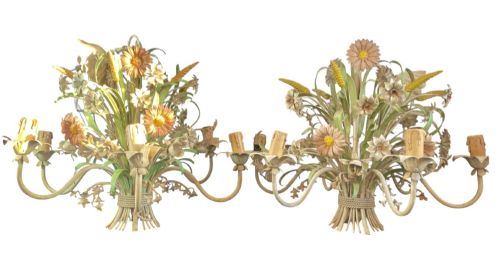
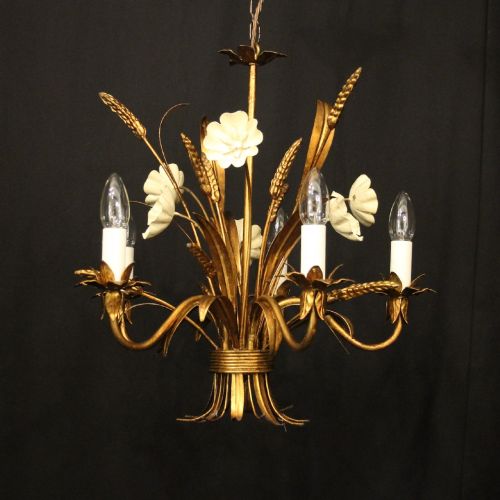
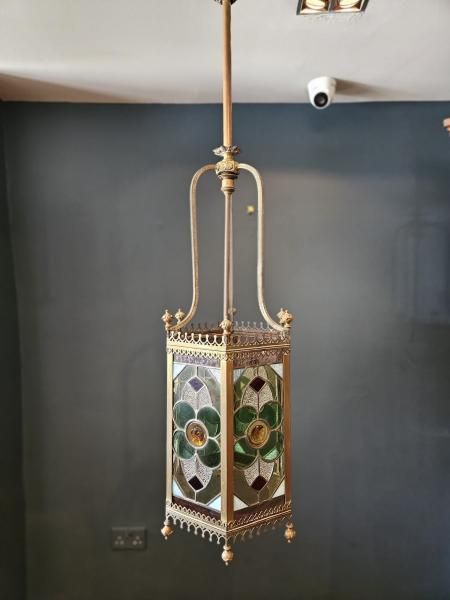
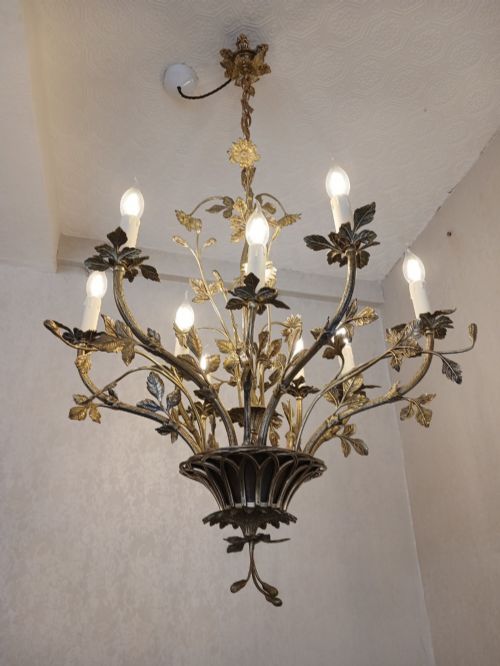
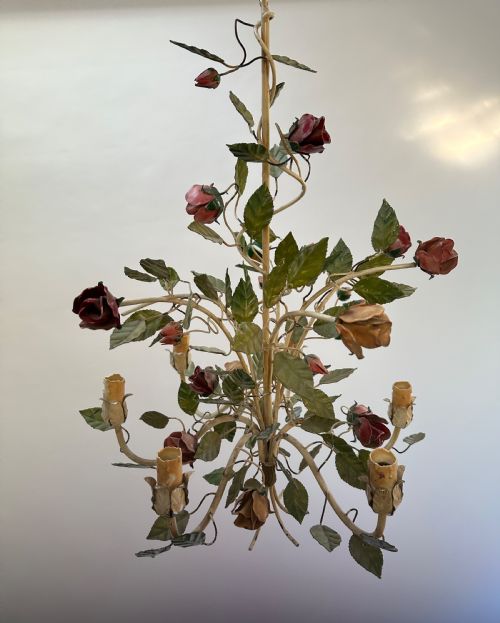
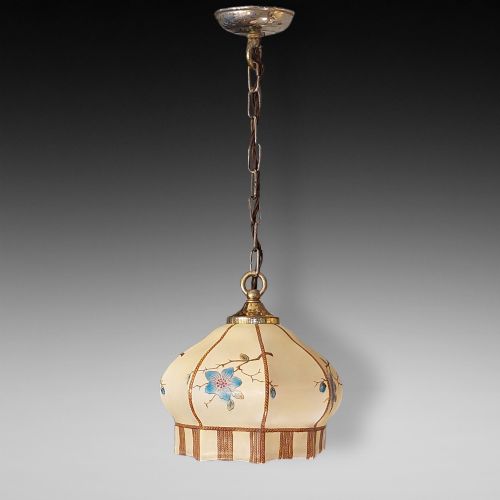
An antique floral ceiling light encompasses a variety of hanging illumination fixtures decorated with botanical motifs, spanning the Victorian and Edwardian eras through to the 1930s. Buyers encountering this search phrase will regularly find French and Italian chandeliers, hall lanterns, and hand-painted glass shades drawing on Art Nouveau, Rococo, and Florentine styles.
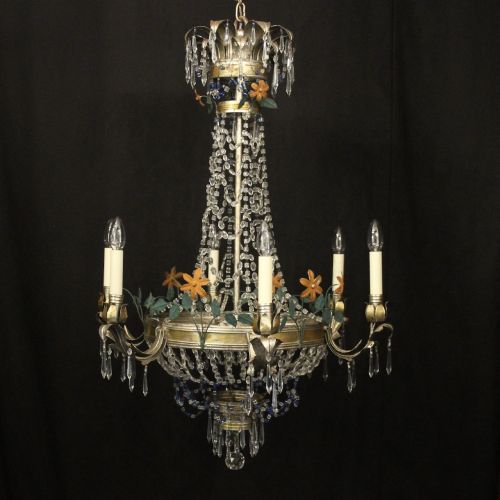
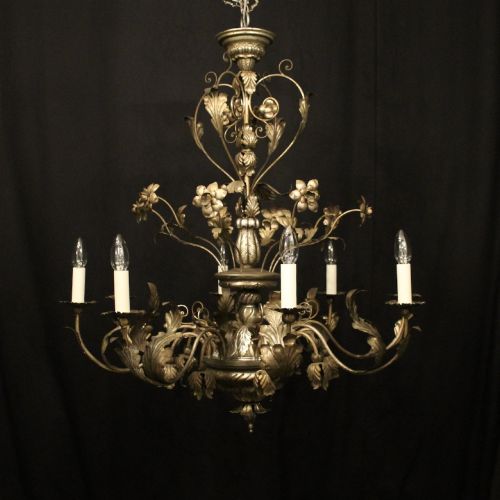
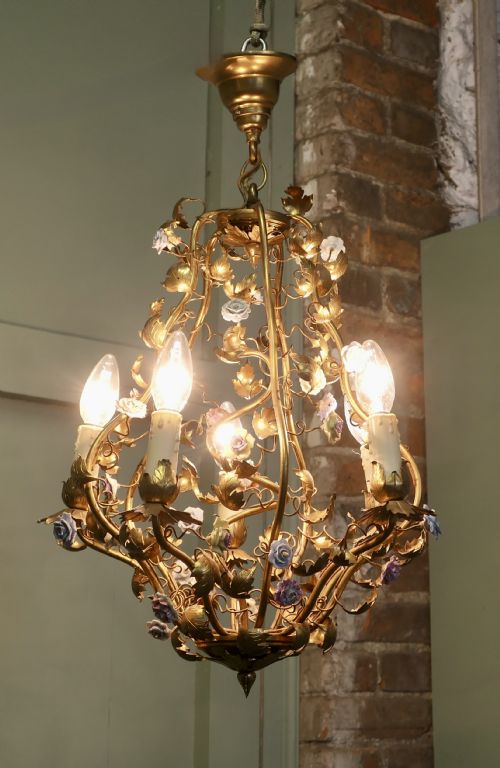
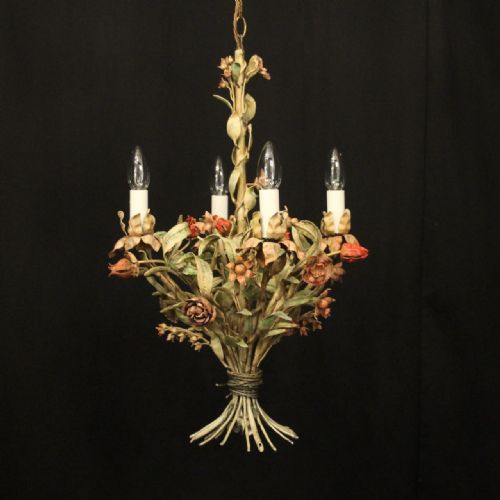
The selections on this page demonstrate distinct regional interpretations, from polychrome toleware and ceramic flowers originating in France to gilt and crystal Florentine works. Forms range from multi-bulb chandeliers with porcelain blooms to single-light hall lanterns and opaque glass plafonniers.
How they were made
Metalwork forms the structural backbone of these fixtures, utilising brass, gilt and silvered metal, wrought iron, and bronze to shape curling stems and arms. Artisans combined these forged or cast metals with moulded crystal, leaded glass, and hand-painted ceramic elements to build durable illumination units.
Decorative floral components relied on specialist craftsmanship, incorporating hand-painted toleware, carved alabaster, and delicate porcelain petals wired or pinned securely to the metal frames. Glass shades were often hand-blown or mould-pressed, sometimes featuring opaque finishes and painted botanical details.
Antique Floral Ceiling Light Retail Price Guide 2026
Typical asking prices for floral ceiling light among the pieces listed under this phrase on Sellingantiques today, from the lower quarter to the upper quarter. They describe what is for sale here now, not the wider market.
The inventory spans Victorian, Edwardian, Art Nouveau, and 1930s periods, including hall lanterns and plafonniers.
What varies in quality
The distinction between tiers rests upon the dexterity of the metalwork and the hand-finishing applied to the floral elements. Superior examples display finely sculpted or carved details in the brass, bronze, and alabaster, whereas simpler items rely on basic cast components.
Material integration also determines the caliber of a piece, particularly in how securely crystal drops, porcelain flowers, and glass shades are bound to the primary frame. Tighter assembly and nuanced polychrome painting elevate a fixture above standard production.
Schneider
The Antique Floral Ceiling Light Glossary
- Toleware
- Painted or lacquered sheet metal often shaped into botanical forms and floral bouquets. This technique allowed makers to introduce vibrant polychrome colour to light fittings.
- Plafonnier
- A shallow bowl-shaped ceiling light or shade mounted close to the ceiling surface. These fixtures often feature painted glass decorated with floral or neo-classical motifs.
- Tent and waterfall
- A chandelier configuration where strings of crystal beads form a tent shape above and cascade outward in a waterfall effect. Such designs frequently incorporate gilt metal frames.
- Alabaster
- A fine-grained translucent stone carved to diffuse light softly across a room. Swedish Art Deco pieces occasionally utilise this material for carved ceiling lights.
- Capodimonte
- Italian porcelain characterised by detailed sculptural modelling, often taking the form of delicate flowers on lighting fixtures. This ceramic work indicates a high degree of craftsmanship.
Antique Floral Ceiling Light: Frequently Asked Questions
How do I clean an antique glass shade?
Remove the shade carefully from the metal fitting if possible, and wash it gently in lukewarm water with mild soap. Avoid harsh chemical cleaners that might damage painted floral details or aged finishes.
Dry the glass thoroughly with a soft lint-free cloth before rehanging the fixture. Take extra care around hand-painted or frosted sections to preserve the surface.
What rooms suit a floral chandelier?
These decorative fixtures suit dining rooms, entryways, and bedrooms where ambient lighting and botanical motifs enhance the interior decor. Their scale often makes them a central visual focal point overhead.
Consider the ceiling height and room dimensions when selecting between a multi-bulb chandelier and a flush plafonnier shade. Lower ceilings benefit from close-mounted bowl lights, while grander spaces accommodate hanging drop chandeliers.
How do I date a metal floral light?
Examine the construction methods, wiring channels, and metal patination to estimate the period of manufacture. Pieces from the Victorian and Edwardian eras often display heavier brass or bronze casting, while 1920s and 1930s examples lean towards Art Deco lines and toleware.
Style indicators such as Florentine gilt work or French Rococo revival scrolls also help narrow down the decade. Material choices like carved alabaster point towards specific regional trends of the interwar years.
Can I replace missing crystal drops?
Matching vintage crystal prisms or glass flowers requires searching for period-appropriate salvage components that match the size and cut of the originals. Even small variations in glass clarity or facet shape can disrupt the uniform sparkle of a tent and waterfall chandelier.
Consult a specialist lighting restorer who maintains a stock of antique glass elements. They can wire replacement floral units securely into the existing metal framework.