





Antique Floral Armoire
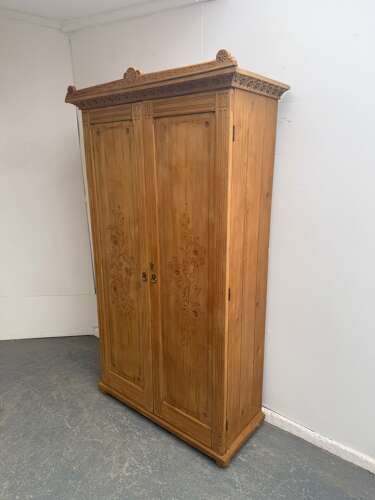
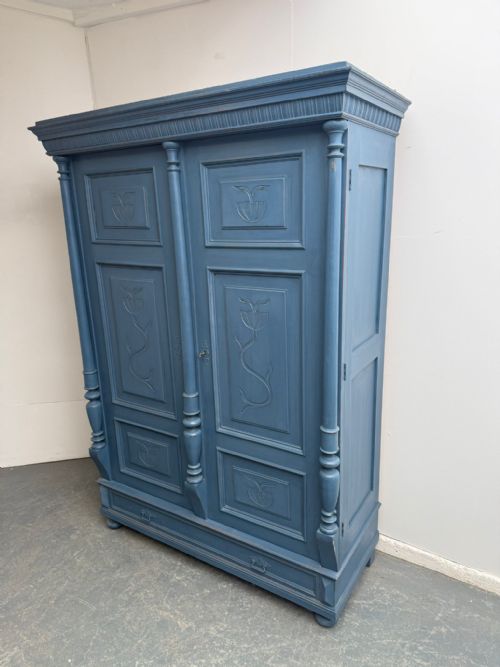
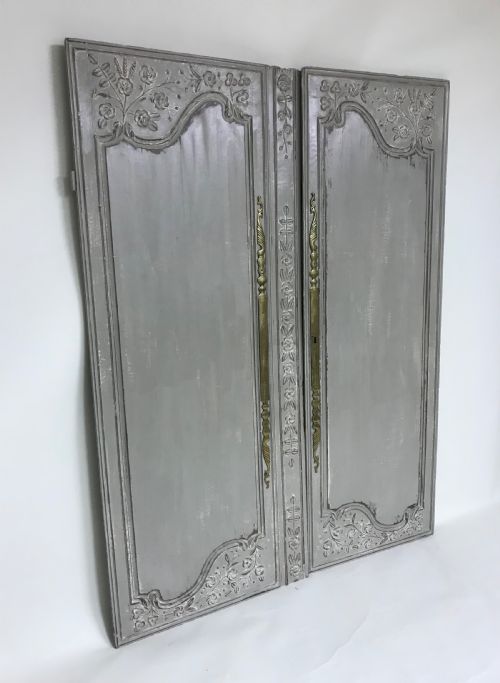
These antique floral armoire pieces combine generous storage with intricate floral marquetry, painted decoration, or carved timber, bringing character and function to any bedroom.
Antique Floral Armoire
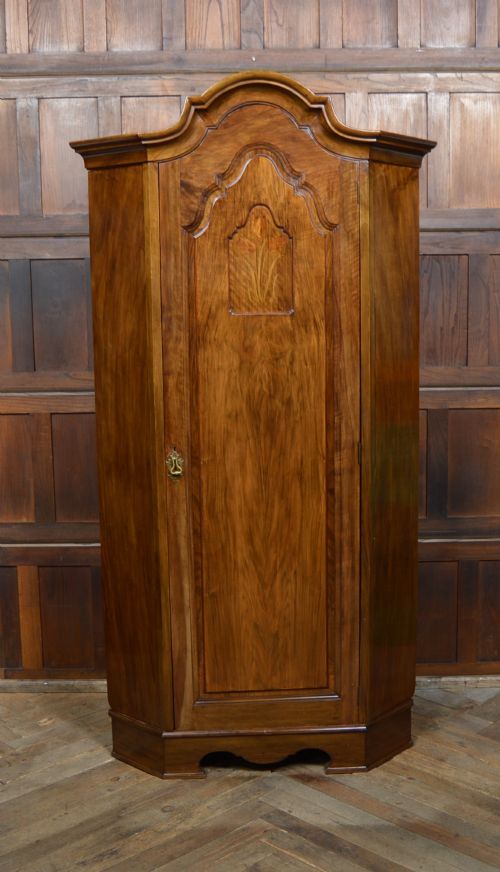
An antique floral armoire offers substantial storage through large double or triple wardrobe configurations, linen presses, display cabinets, and corner robes. These pieces originate from various European and international traditions, spanning the eighteenth century through to the early twentieth century.
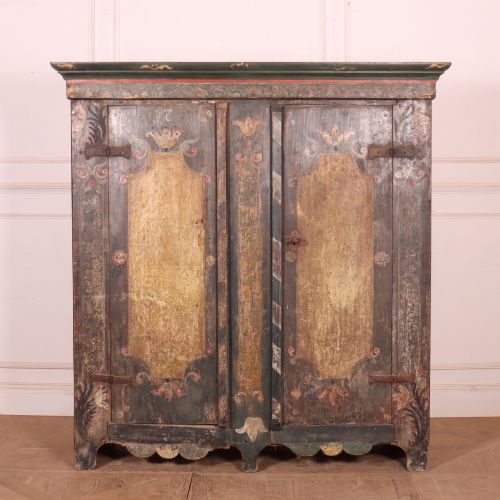
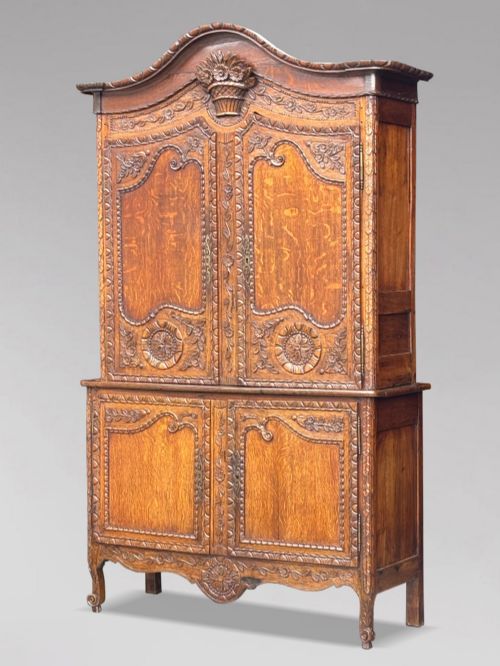
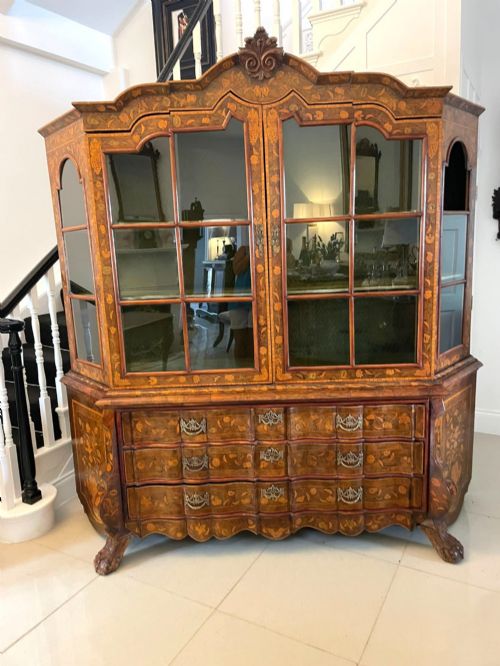
The selections on this page heavily feature Dutch marquetry cabinets alongside pieces rooted in Art Nouveau, Arts and Crafts, and regional folk styles. Buyers frequently encounter timber constructions in walnut, pine, and fruitwood, often ornamented with intricate floral motifs or polychrome painted finishes.
Forms range from grand architectural marriage armoires to tall linen presses and smaller hall wardrobes. Each piece reflects the distinct aesthetic preferences of its origin, whether that involves Dutch floral marquetry or Hungarian folk painting.
Materials and construction methods
Cabinetmakers utilised robust timbers such as walnut, burr walnut, and pine as the structural foundation for these large storage pieces. Selected woods were frequently waxed, painted in polychrome hues, or inlaid with contrasting marquetry elements.
Marquetry panels display floral designs created through precise wood inlay techniques, combining different veneers to form naturalistic patterns. Painted examples rely on hand-applied pigments on timber bases, while metal details like brass and iron provide functional hardware for doors and hinges.
Antique Floral Armoire Retail Price Guide 2026
Typical asking prices for floral armoire among the pieces listed under this phrase on Sellingantiques today, from the lower quarter to the upper quarter. They describe what is for sale here now, not the wider market.
Some marriage armoires come with hidden compartments designed specifically for stashing secret love letters.
Assessing quality in floral storage pieces
Quality rests primarily on the crispness and complexity of the floral decoration, whether executed through detailed marquetry inlay or skilled hand-painting. Superior examples maintain intact surface finishes and tight joinery across large timber doors and panelled sides.
The choice of materials also dictates standing, with burr walnut and finely figured veneers sitting at a higher tier than plain secondary woods. Original hardware, intact glass panels, and well-preserved structural integrity further separate standard utilitarian pieces from exceptional examples.
The Antique Floral Armoire Glossary
- Marquetry
- Decorative veneer patterns applied to a wooden structure to form pictures or ornamental designs. Floral marquetry uses contrasting woods to depict flowers and foliage.
- Linen Press
- A tall piece of furniture designed originally for storing household linen, combining upper cupboard storage with lower drawers.
- Polychrome
- Painted in several colours. This finish appears on regional European cupboards and folk wardrobes.
- Marriage Armoire
- A large ceremonial wardrobe traditionally commissioned as a wedding gift in regions like Central Europe. These pieces often feature specific dates or symbolic floral carving.
- Arts and Crafts
- A design movement valuing hand-craftsmanship and traditional materials. Pieces from this style often display honest timber construction with minimal, nature-inspired detailing.
Antique Floral Armoire: Frequently Asked Questions
What is an antique floral armoire?
An antique floral armoire is a large freestanding timber storage cupboard decorated with carved, painted, or inlaid flower motifs. These pieces date from the eighteenth to the early twentieth centuries and serve as both functional wardrobes and decorative focal points.
They appear in various regional styles, including Dutch marquetry, Italian country, and Hungarian folk traditions. Each type offers generous internal space behind tall panelled doors.
How were armoires used historically?
Historically, these large cupboards stored valuable textiles, garments, and household linens before fitted bedroom closets became common. Their substantial volume made them essential furniture for storing bulky bedding and seasonal clothing.
In many European traditions, large armoires formed part of a bride's dowry. They were built to last generations and often marked significant family milestones.
How do I fit an armoire into a modern room?
Integrating a large wooden wardrobe into a contemporary space requires measuring both floor area and ceiling height carefully. Because these pieces are substantial, they work best as statement storage in bedrooms or large hallways.
Many antique armoires are designed to dismantle partially for transport and reassembly, which helps when moving them into older properties with tight stairways. Ensure your chosen wall has sufficient clearance for the doors to open fully.
How do I distinguish between regional styles?
Regional styles reveal themselves through timber choice, decorative technique, and overall silhouette. Dutch pieces frequently display elaborate floral marquetry in walnut, while Hungarian and Italian examples often showcase bright polychrome painted finishes.
Arts and Crafts pieces emphasise simpler, waxed pine or oak surfaces with hand-carved botanical details. Examining the construction methods and decorative vocabulary helps pinpoint the geographic origin of each cabinet.