





Antique Floor Tapestry
These antique floor tapestry pieces bring woven texture and rich pattern to rooms, spanning kilims and needlepoints.
Antique Floor Tapestry
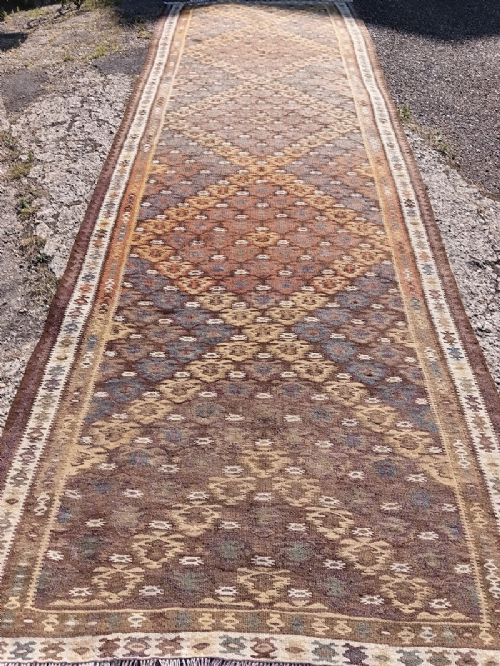
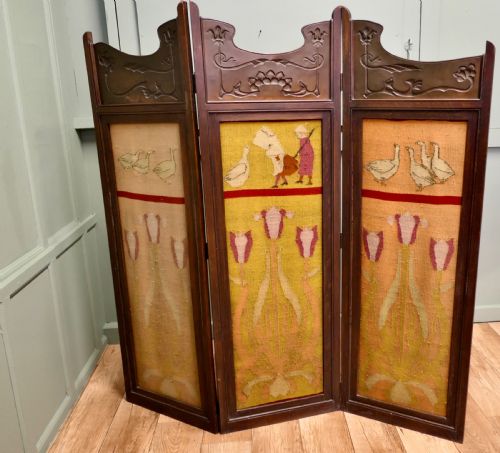
An antique floor tapestry encompasses flat-woven kilims, needlepoints and carpets from the nineteenth and early twentieth centuries. Pieces range from European floral weaves to tribal designs from the Near East and Central Asia.
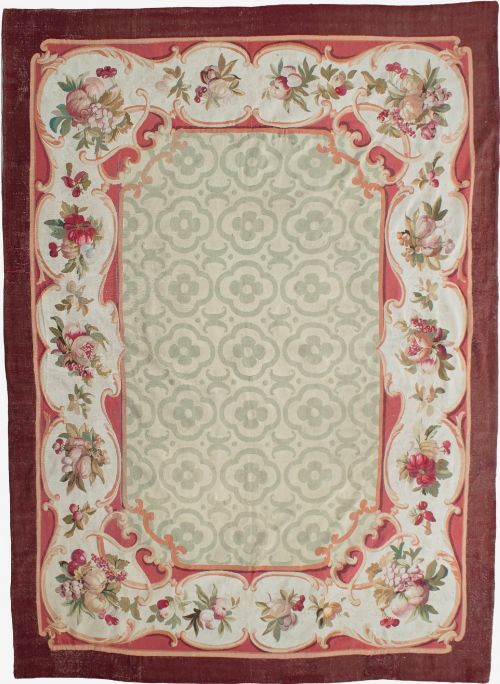
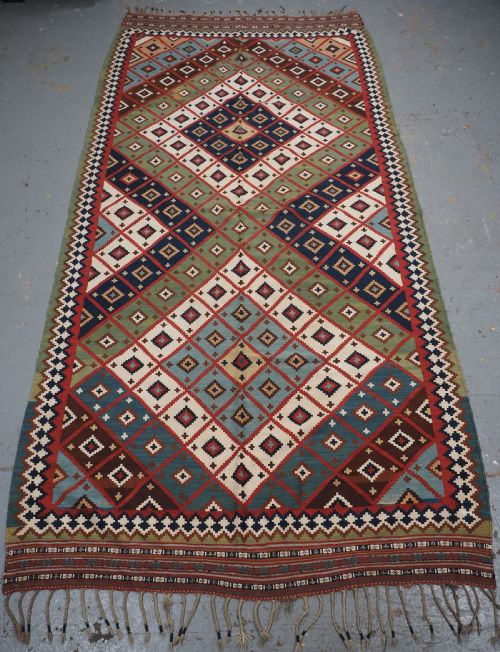
Buyers meet varied forms including Bessarabian and Ushak kilims alongside Aubusson carpets and needlepoint rugs. These textiles anchor a room with historical pattern and traditional dyeing methods.
Origins stretch from French workshops to Persian and Anatolian looms, as well as tribal regions of Uzbekistan and the Caucasus. Each style carries the distinct motifs and palette of its specific region of manufacture.
Factors determining quality
Quality rests upon the fineness of the weave, the complexity of the design and the integrity of the natural dyes. Tightly worked textiles retain their structural stability and crispness of motif over decades of use.
The sophistication of the palette and the preservation of the original wool establish the distinction between standard domestic pieces and finer examples from established weaving traditions.
Antique Floor Tapestry Retail Price Guide 2026
Typical asking prices for floor tapestry among the pieces listed under this phrase on Sellingantiques today, from the lower quarter to the upper quarter. They describe what is for sale here now, not the wider market.
Listings feature textiles from the nineteenth and early twentieth centuries, spanning wool, cotton, mahogany, and oak.
The Antique Floor Tapestry Glossary
- Kilim
- A flat-woven carpet or rug produced without a pile across regions of Anatolia, the Caucasus and Central Asia. They are known for their sharp geometric patterns and lightweight structure.
- Aubusson
- A woven carpet or tapestry originating from French ateliers, characterised by classical floral designs and pastoral scenes. These pieces reflect European interior aesthetics of the nineteenth century.
- Needlepoint
- A type of counted-thread embroidery stitched onto an open-weave canvas ground. It provides a firm, textured surface often utilised in rugs and decorative screens.
- Suzani
- A traditional embroidered textile from Central Asia featuring bold floral motifs in expressive colour schemes. They represent nomadic and village craft traditions.
Antique Floor Tapestry: Frequently Asked Questions
How do I clean an antique floor tapestry?
Gentle surface brushing and professional specialist textile cleaning maintain the integrity of natural wool fibres. Avoid harsh chemical detergents or immersion washing unless advised by a conservator.
Regular rotation prevents uneven wear from foot traffic and sunlight exposure in domestic settings.
Where should I place these textiles?
These woven pieces suit low-traffic living areas, studies or bedrooms where heavy abrasive wear is minimised. Pairing them with breathable underlays prevents slipping on polished timber floors.
Keep textiles away from direct, continuous sunlight to preserve the depth of natural wool and plant-dyed colours.
How do I distinguish regional kilim types?
Regional attribution relies on characteristic palette choices, border structures and specific geometric or floral motifs. Bessarabian pieces often display distinct European floral sprays, whereas tribal pieces lean towards geometric symbolism.
Examining the tightness of the weave and yarn preparation offers further clues to the origin of the loom.
Are these textiles suitable for everyday use?
Tighter flat-weaves and sturdy wool constructions handle moderate daily foot traffic when properly supported by a quality underlay. Lighter needlepoint examples require more careful placement in calmer zones of the home.
Respecting the age of the materials ensures these historical floor coverings endure for years to come.