





Antique Floor Planter
An antique floor planter brings architectural presence and natural greenery together, offering a grand way to display substantial indoor flora.
Antique Floor Planter
An antique floor planter is a substantial vessel designed to hold large plants directly upon the ground rather than resting on furniture or windowsills. These pieces range from polished brass jardinières on stands to massive terracotta olive jars and earthenware amphorae.
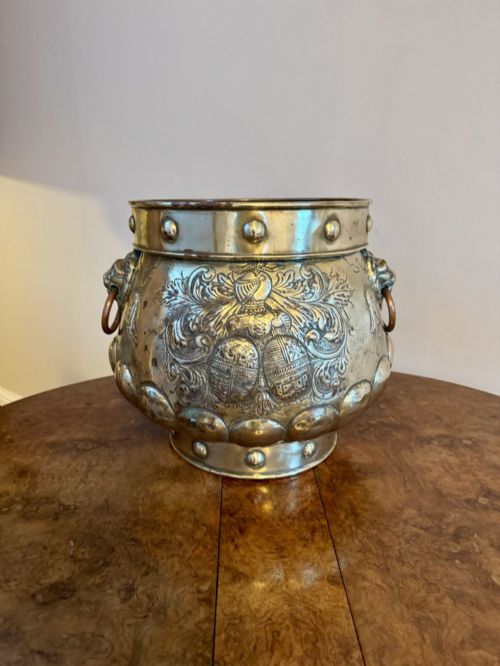
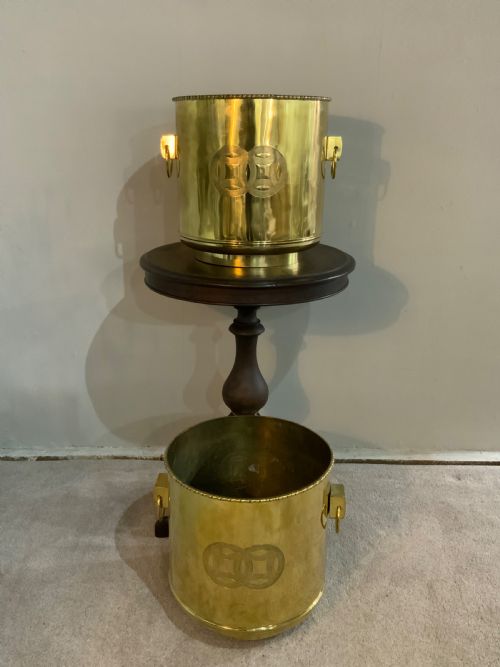
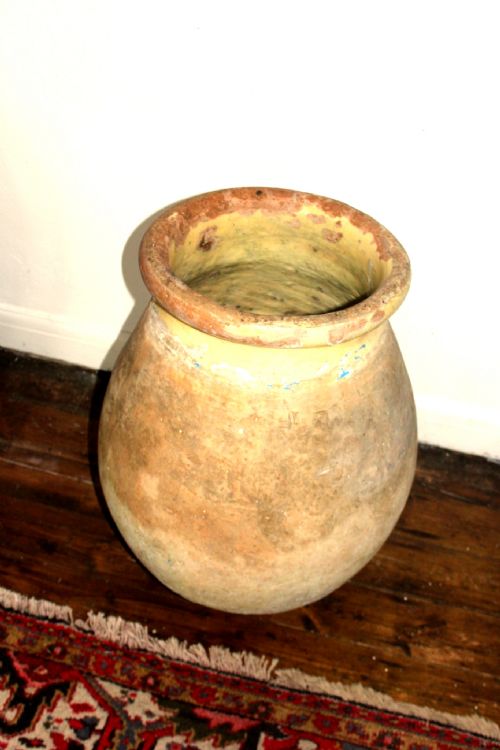
The versions most commonly met on this page span the Victorian era, the nineteenth century, and the early twentieth century, showing influences from French Country, Asian Revival, and Art Nouveau styles. They include heavy two-handled brass vessels, paired Chinese jardinières, and Provençal terracotta pots.
Makers and artisans constructed these large containers to serve as focal points in reception rooms, halls, and conservatories. Their generous proportions accommodate robust indoor trees and heavy foliage while anchoring the surrounding interior design.
How they were made
Makers utilised durable metals such as brass and cast iron, often forming large vessels with sturdy handles or mounting them upon dedicated stands. Polished finishes and aged patinas highlight the metallic construction of Victorian and Asian Revival examples.
Clay and terracotta pieces rely on traditional earth-working techniques, resulting in heavy earthenware pots and amphorae. Glazes, paint, and natural weathering provide the distinctive surface textures seen on Provençal and Mediterranean jars.
Antique Floor Planter Retail Price Guide 2026
Typical asking prices for floor planter among the pieces listed under this phrase on Sellingantiques today, from the lower quarter to the upper quarter. They describe what is for sale here now, not the wider market.
Some nineteenth-century French jars retain traces of the olive oil they once transported across the Mediterranean.
What varies in quality
The integrity of the material and the consistency of the casting or throwing set the finer examples apart from simpler utilitarian vessels. Heavy, well-balanced brass bodies and carefully proportioned stands demonstrate superior craftsmanship.
Surface finish and patination dictate the visual strength of the piece, whether through deep, polished metallic shine or the authentic weathering on aged terracotta. Original stands and matching pairs elevate the coherence and presence of the grouping.
The Antique Floor Planter Glossary
- Jardiniere
- An ornamental pot or stand for holding plants or flowers. This term often describes large brass or ceramic vessels designed for floor placement.
- Patina
- The surface appearance grown on materials through age, use, and exposure. A desirable patina shows genuine historic wear on terracotta and metal.
- Terracotta
- Unglazed, brownish-red fired clay. This material forms the basis of heavy Mediterranean and Provençal garden and floor pots.
Antique Floor Planter: Frequently Asked Questions
What is an antique floor planter?
An antique floor planter is a large vessel designed to hold substantial plants at ground level rather than on tables or windowsills. These pieces include heavy brass jardinières, terracotta amphorae, and earthenware pots from the nineteenth and early twentieth centuries.
They served both functional and decorative purposes in large rooms, hallways, and conservatories. Today, they remain practical for housing indoor trees and large structural houseplants.
How do I clean a brass jardiniere?
Cleaning depends on whether you prefer to maintain a bright polished shine or preserve the aged dark patina accumulated over the decades. Soft dusting and gentle wiping with a dry cloth protect the historic metal surface.
Harsh chemical polishes can strip character away from nineteenth-century brass. Consult a specialist if the metal shows heavy tarnish before attempting restoration.
Can terracotta floor planters hold water?
Historic terracotta and earthenware pots are often porous and may seep moisture if filled directly with wet soil. Using a plastic liner or a sauced inner pot protects both the antique clay and your flooring.
Freezing temperatures can also crack damp historical terracotta if left outdoors. These pieces are best kept in interior spaces where temperatures remain stable.
How do I date a brass planter?
Dating relies on manufacturing techniques, style periods such as Art Nouveau or Victorian design, and material weights. Cast construction methods and hand-finished details typically indicate nineteenth or early twentieth-century origins.
Comparing construction marks and decorative motifs with documented examples helps narrow down the period. Stylistic influences like Asian Revival or Chinoiserie also provide clear chronological clues.