





Antique Fishing Oil Artwork
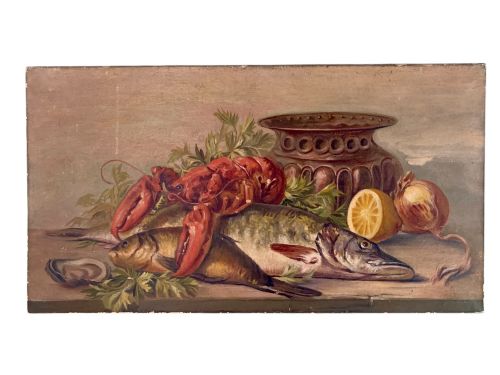
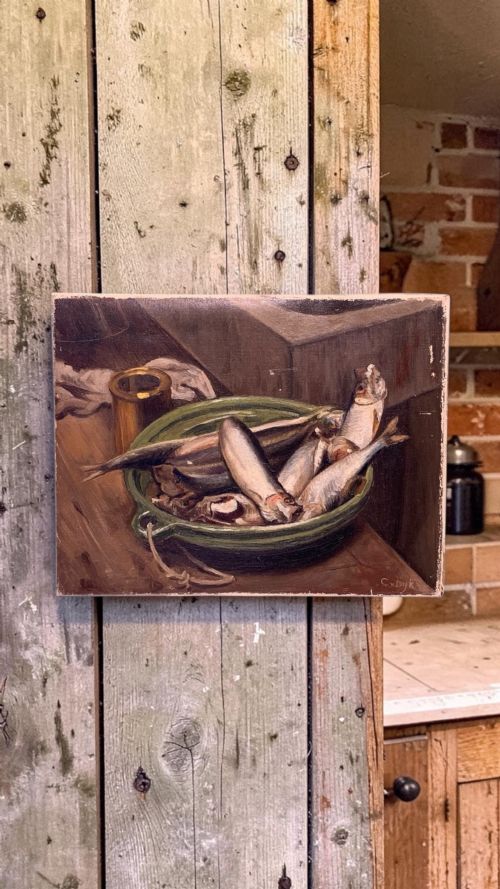
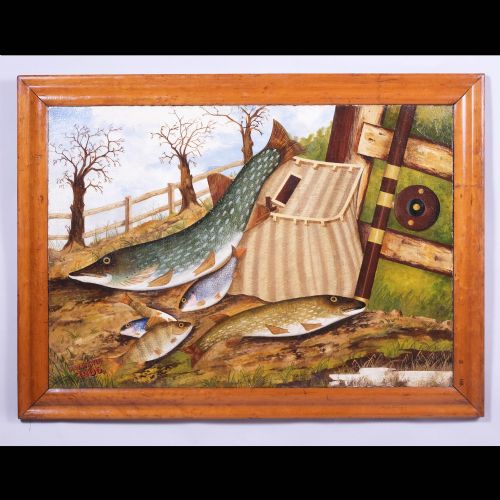
When you search for antique fishing oil artwork, you are looking at oil paintings on canvas, panel, or card that capture maritime life, coastal scenes, and angling from the Victorian period through the mid-twentieth century.
Antique Fishing Oil Artwork
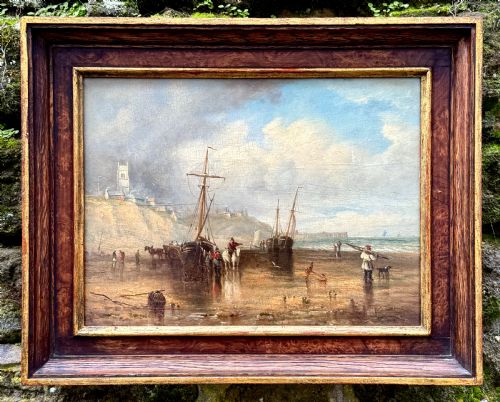
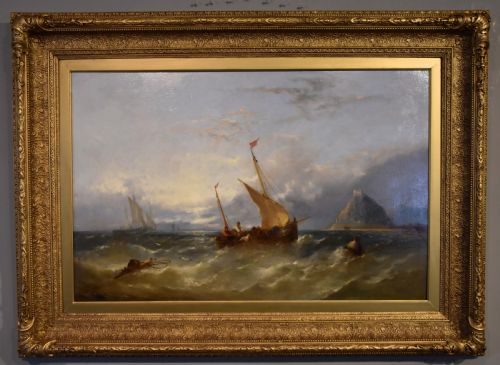
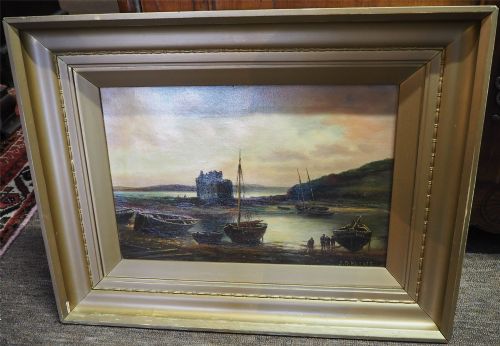
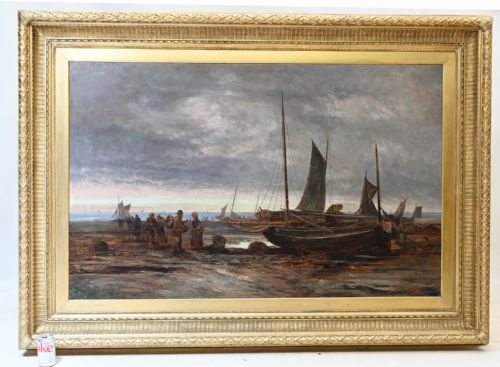
An antique fishing oil artwork captures coastal harbours, maritime scenes, estuary views, and angling moments through the lens of nineteenth and early twentieth-century painters. These works document working boats, coastal villages, and fishermen at sea across British, French, and Dutch schools.
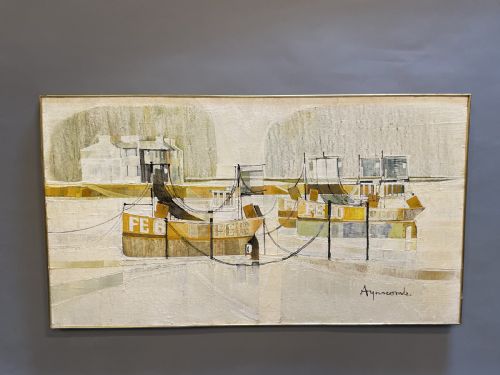
The selections available here span Victorian marine art, Edwardian coastal depictions, and post-impressionist harbour views rendered in oil paint. Works range from intimate depictions of river fishing and monks with fish to large-scale maritime canvases depicting trawlers in choppy seas.
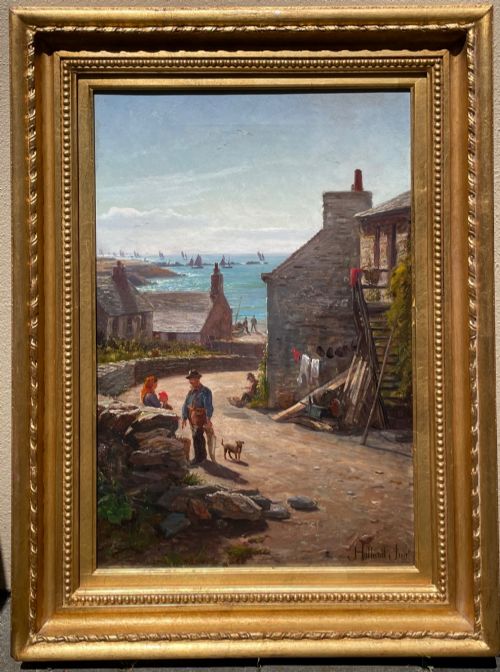
Makers and regional schools represented include the Newlyn school, British Impressionism, and works attributed to individual painters working in Cornwall, Scotland, and English coastal ports. The subjects focus primarily on the daily labour of fishing fleets, coastal topography, and marine weather.
How they were made
Artists painted primarily with oil paint on stretched canvas, wood panels, or card, employing layered brushwork to capture the movement of water and atmospheric coastal light. Support materials often show period framing in gilt wood or giltwood.
Techniques varied from the fine detail of Victorian marine art to the looser brushwork associated with British Impressionism and the Newlyn school. Pigments were applied to build texture in sea foam, sails, and harbour stone.
Listings feature works spanning the nineteenth century through the 1960s, executed in oil on canvas, wood panel, and card.
What varies in quality
The success of an oil painting rests on the artist's handling of light, atmosphere, and maritime movement within the composition. Stronger works convey the weight of sea and sky with assured brushwork rather than rigid mechanical detail.
Condition of the oil paint layer and the presence of original or period-appropriate gilt wood frames distinguish better preserved examples. The specificity of the coastal location and the strength of provenance also differentiate individual works.
Thomas Creswick·William Henry Williamson·Florence Adelina Hess·John Holland·Edward Matthew Elliott·Charles Napier Hemy·Sir David Murray·Gustave De Bréanski·Pieter Cornelis Dommersen·James Kyd·George SHAW·T.S. Wallis·George Gregory·George Morland·Frank Hyde·John Bell·George Henry Knight·Sam Bough·William Lambert Bell·Paul H Ellis·Owen Bowen·William Shayer
The Antique Fishing Oil Artwork Glossary
- Oil on Canvas
- Pigment mixed with drying oil applied to a woven fabric stretched across a wooden frame. This remains the most common substrate for large marine paintings.
- Panel
- A rigid wooden board or panel used as a painting support instead of fabric canvas. Smaller nineteenth-century works frequently utilise wooden panels.
- Seascape
- A work of art depicting the sea, coastal views, or marine vessels in motion. These form the bulk of maritime fishing subjects.
- Genre Painting
- Depictions of everyday subjects and human activities, such as fishermen packing for market or monks fishing. This genre focuses on narrative scenes from daily life.
- Gilt Wood
- Carved wood treated with gold leaf or gilt finish used for framing period artwork. Ornate frames contribute to the historical context of Victorian canvases.
Antique Fishing Oil Artwork: Frequently Asked Questions
What subjects do these oil paintings show?
The works depict fishing boats, coastal harbours, maritime storms, and anglers by rivers or at sea. Many capture specific locations like Cornish ports, Scottish estuaries, and Isle of Man harbours.
Artists also recorded genre scenes involving fishermen packing catches for market or coastal villagers working along the shore.
How do I date an antique marine oil painting?
Dating relies on stylistic evidence, artist signatures, framing materials, and stretcher construction. Victorian works often display tighter academic detail, while early twentieth-century pieces show looser impressionistic brushwork.
Inscribed titles or signatures on the reverse or front of the canvas or panel frequently point to active exhibition dates or specific periods.
Are these paintings supplied with frames?
Many listings include period frames, frequently constructed from gilt wood or giltwood that matches the age of the canvas. These frames range from simple mouldings to massive decorative country house surrounds.
Frame condition and style often reflect the original display context of the Victorian or Edwardian eras.
What is the difference between canvas and panel supports?
Canvas involves woven fabric stretched over a wooden frame, allowing for larger compositions and visible texture from the weave. Panel works use solid wood or card, providing a rigid flat surface often found in smaller landscape and harbour studies.
Both supports were widely used throughout the nineteenth and early twentieth centuries by maritime painters.