





Antique Fishing Display
These antique fishing display pieces capture the quiet patience of the water, bringing mounted specimens, glazed cases, and sporting porcelain straight into the room.
Antique Fishing Display
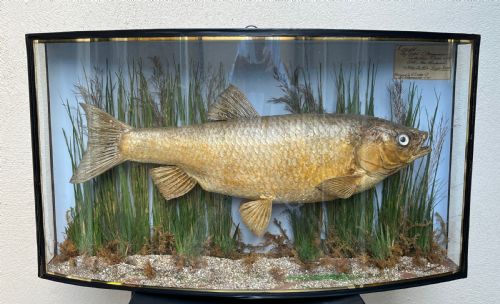
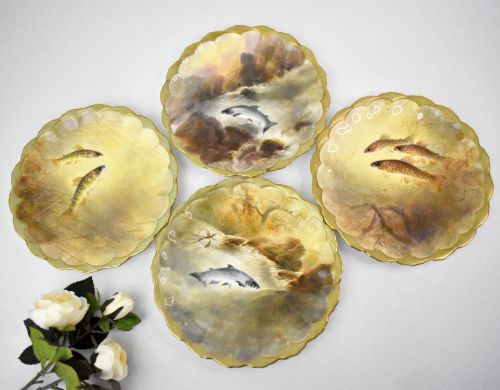
An antique fishing display brings together cased taxidermy fish, painted porcelain plates, storage racks, and shop cabinets connected to angling. When you search for an antique fishing display, you encounter taxidermy specimens in glass cases alongside ceramic plates and wooden racks.
The pieces span the Victorian and Edwardian eras through to the nineteen forties, showing both British craftsmanship and imported decorative items. Taxidermy cases featuring roach, tench, pike, rudd, and golden carp form a prominent part of what appears here.
Alongside preserved fish, the selections include storage and display racks made from oak, shop cabinets, and painted porcelain tableware. These items reflect both the practical side of angling and the Victorian taste for natural history decoration.
Materials and methods
Taxidermy displays rely on preserved specimens housed within glass cases constructed with wooden frames, sometimes incorporating dried reeds to recreate natural riverbeds. Makers painted backgrounds and arranged the mounted fish to simulate movement in clear water.
Porcelain items utilise durable bodies decorated with hand-painted fish motifs by named ceramic artists. Cabinets and racks employ solid woods such as oak and walnut, finished with glass panels and traditional sign-writing.
Antique Fishing Display Retail Price Guide 2026
Typical asking prices for fishing display among the pieces listed under this phrase on Sellingantiques today, from the lower quarter to the upper quarter. They describe what is for sale here now, not the wider market.
Listings feature taxidermy cases, porcelain cabinet plates, oak racks, and walnut shop cabinets spanning the Victorian period to the nineteen forties.
Judging quality and provenance
Quality rests on the skill of the taxidermist or painter and the original condition of the materials. Preserved fish by known workshops show superior colour retention and realistic positioning inside the glazed case.
For ceramic pieces, the fineness of the hand-painted detail and the reputation of the decorator elevate the work. Wooden racks and shop cabinets depend on sound joinery, original glass, and authentic period hardware.
Little and Co·Joseph Birbeck Senior·James Jones·J Cooper and Sons·Royal Doulton·Royal Crown Derby
The Antique Fishing Display Glossary
- Taxidermy case
- A glazed wooden box housing a preserved animal specimen set in a simulated habitat. These cases protected delicate mounts from dust and moisture in domestic interiors.
- Cabinet plate
- A decorative ceramic plate intended for display on a wall or dresser rather than for dining. These often feature hand-painted aquatic scenes.
- Charger
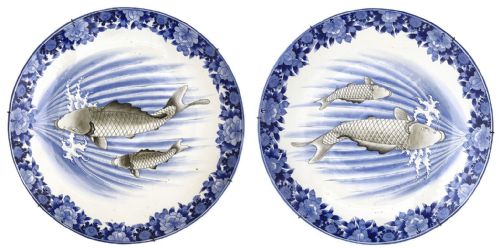
- A large ornamental dish that serves as a centrepiece or focal display item. They appear in porcelain with blue and white decoration.
- Specimen
- An individual animal or plant preserved for scientific study or display. In angling contexts, this refers to a caught fish mounted for preservation.
- Shop cabinet
- A glazed display piece originally utilised in retail premises for merchandising goods. Later examples often receive sign-writing suited to specialist trades.
Antique Fishing Display: Frequently Asked Questions
How do I care for cased fish taxidermy?
Keep glass cases away from direct sunlight and damp environments to protect the fragile painted backgrounds and dried reeds inside.
Dust the exterior wood and glass gently with a dry cloth without using liquid cleaners that might damage old seals.
Were these items used outdoors?
Storage racks and shop cabinets were utilised inside commercial or domestic spaces to organise tackle and equipment. Taxidermy cases and porcelain plates were strictly decorative indoor items meant for parlours and studies.
None of the display pieces were designed to withstand exposure to the elements by the water.
How do I identify a Victorian taxidermy case?
Victorian cases frequently feature curved or bow-front glass held together by black paper tape or wooden moulding. The internal backgrounds are usually painted by hand with reed and riverbed details.
Taxidermists often placed trade labels inside the case or pasted them on the backboards to identify their London premises.
Can I hang decorative fish plates on the wall?
Most cabinet plates and chargers feature sufficient strength for wall display when paired with appropriate wire hangers. Ensure the hanging hardware fits the rim securely to prevent accidental slips.
Inspect the porcelain for any previous restoration or hairline cracks before mounting them above furniture.