




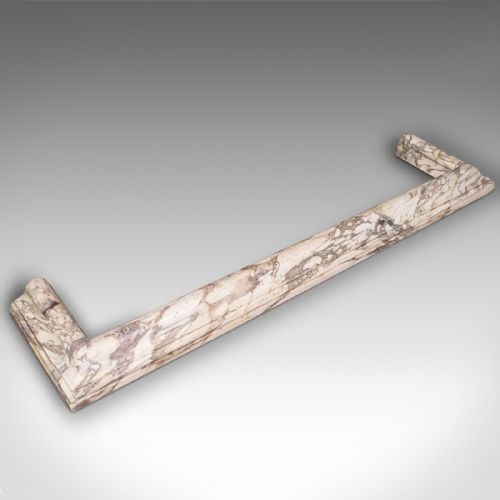


Antique Fireplace Hearth Border
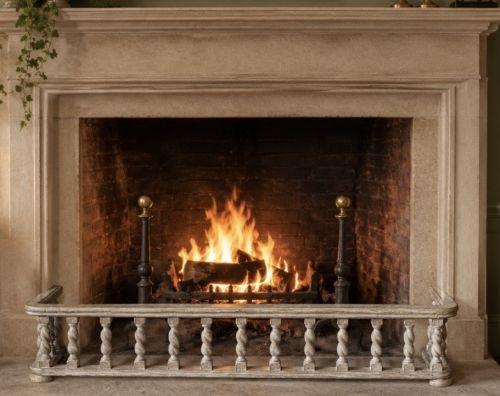
An antique fireplace hearth border frames the hearth with metal or marble, creating a finished boundary between fire and room.
Antique Fireplace Hearth Border
When you search for an antique fireplace hearth border, you encounter metal and marble surrounds designed to protect the floor and contain embers. These objects appear under various designations such as fire fenders, kerbs, and surrounds.
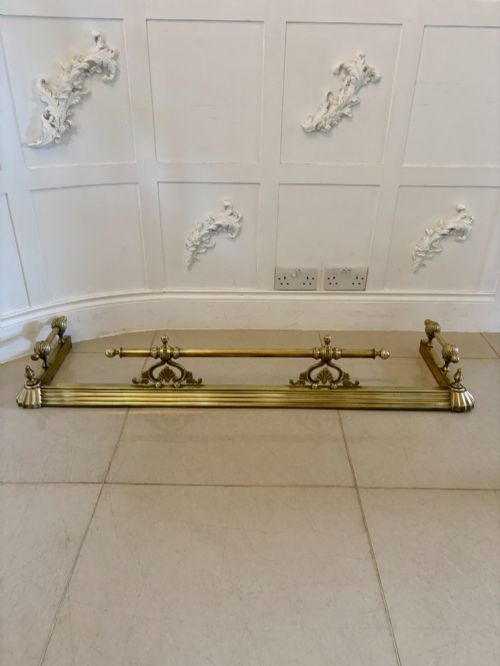
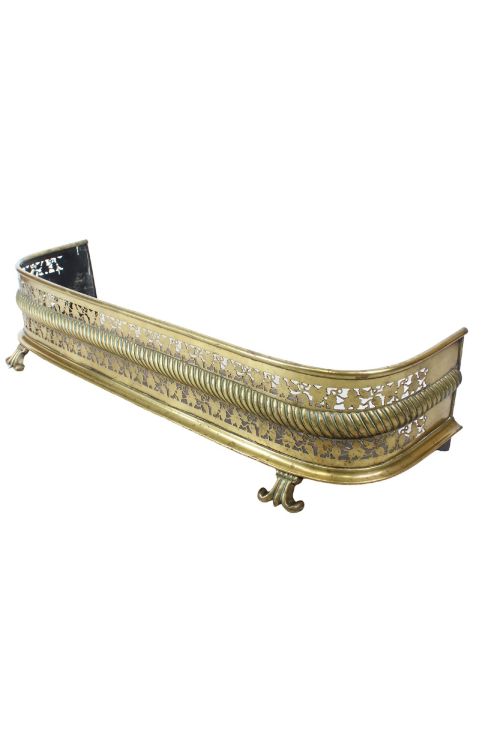
The versions most commonly met on this page date from the Victorian and Georgian periods, alongside examples from the Edwardian era and the turn of the twentieth century. Forms range from pierced brass and adjustable lengths to decorative copper and grand marble architectural surrounds.
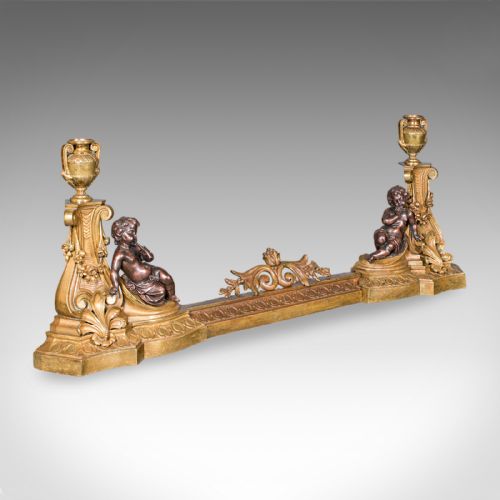
English and French originations dominate the selection, manifesting in styles that span from Louis XV and Regency to Art Nouveau. Buyers select them to anchor a fireplace with period character and tactile materiality.
How they were made
Makers fashioned these pieces primarily from metals including brass, bronze, gilt bronze, iron, steel, and copper, occasionally incorporating marble for grander architectural surrounds. Artisans utilised casting, piercing, and forging techniques to shape the metal into decorative kerbs and fenders.
Detailing often involved intricate pierced patterns, adjustable mechanisms, and cast ornamentation such as lions. The combination of durable iron or steel frames with polished brass or copper surfaces provided both structural resilience and decorative sheen.
Listings span the Georgian, Victorian, and Edwardian periods, utilising materials from simple iron to polished brass, copper, and marble.
What varies in quality
Quality in these hearth borders rests on the crispness of the casting and the weight of the metal utilised in the construction. Finer examples display precise piercing, substantial gauge materials, and well-executed decorative motifs rather than thin, pressed sheet metal.
The sophistication of the stylistic execution distinguishes standard production from superior workshop output, whether in the flowing lines of an Art Nouveau copper kerb or the balanced proportions of a Regency brass fender. Integrity of mechanism in adjustable variants also marks the difference between basic utility and refined design.
The Antique Fireplace Hearth Border Glossary
- Fire fender
- A low metal guard placed around the hearth to keep burning coals and ash from spilling onto the floor. These items often double as seating supports or decorative frames.
- Kerb
- An alternative term for a fender, typically denoting the structural border or barrier enclosing the hearth area. They appear in brass, iron, and stone.
- Pierced brass
- Metalwork decorated by cutting or punching open patterns through the brass plate. This technique creates lightweight, ornate grilles popular in Victorian designs.
- Regency
- A style period spanning the early nineteenth century characterised by classical restraint and neoclassical motifs. Pieces from this era display refined lines and restrained ornamentation.
- Louis XV style
- A revived Rococo design style featuring asymmetrical curves, scrolls, and naturalistic motifs. French examples on this page often adopt this ornamental vocabulary.
Antique Fireplace Hearth Border: Frequently Asked Questions
What is a fireplace fender?
A fireplace fender is a low metal barrier placed on the hearth around the opening of a fireplace. It serves to contain embers and protect the surrounding flooring.
Historically, they also provided a comfortable boundary in front of the fire. Many incorporate seats or decorative mounts.
How do I choose the right size?
You measure the width and depth of your hearth space to ensure the border fits securely against the floor. Adjustable versions offer flexibility if your dimensions fall between standard sizes.
Consider the projection of the hearth so the fender sits correctly without obstructing foot traffic or fire tools.
What metals are commonly used?
These hearth borders appear in brass, bronze, gilt bronze, iron, steel, and copper. Brass and copper provide a warm, reflective finish that brightens the fireplace area.
Iron and steel offer a heavier, darker structure suited to robust hearth protection.
How do I date a brass fender?
Dating relies on stylistic clues, manufacturing techniques, and material composition seen across Victorian, Georgian, and Edwardian periods. Pierced brass work and specific decorative motifs like lions often point to Victorian production.
Georgian and Regency pieces tend to feature cleaner architectural lines and heavier cast construction.