



Antique Fireguard Fender
An antique fireguard fender protects a room from stray embers while defining the hearth with metalwork from the Georgian, Victorian, and Edwardian eras.
Antique Fireguard Fender
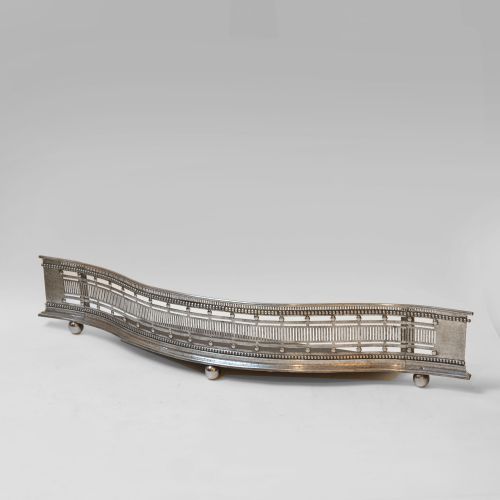
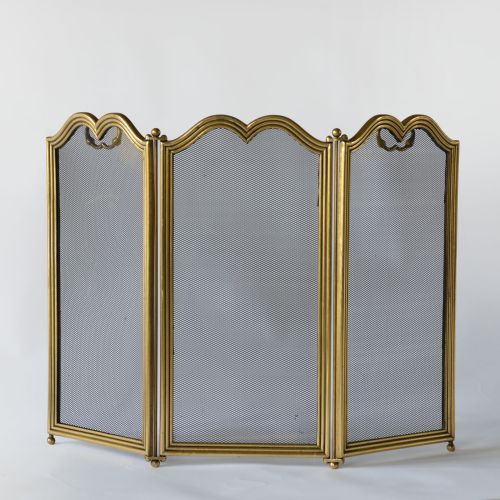
An antique fireguard fender serves as a physical barrier around an open hearth, keeping sparks contained within the fireplace while framing the hearth itself. When you search for an antique fireguard fender, you encounter a wide array of domestic metalwork designed for coal and wood fires.
The pieces on this page span the Georgian, Victorian, and Edwardian periods, stretching from the mid-eighteenth century into the early twentieth century. Victorian designs dominate the selection, appearing alongside Georgian curbs, Edwardian mesh guards, and later Art Nouveau or Art Deco interpretations.
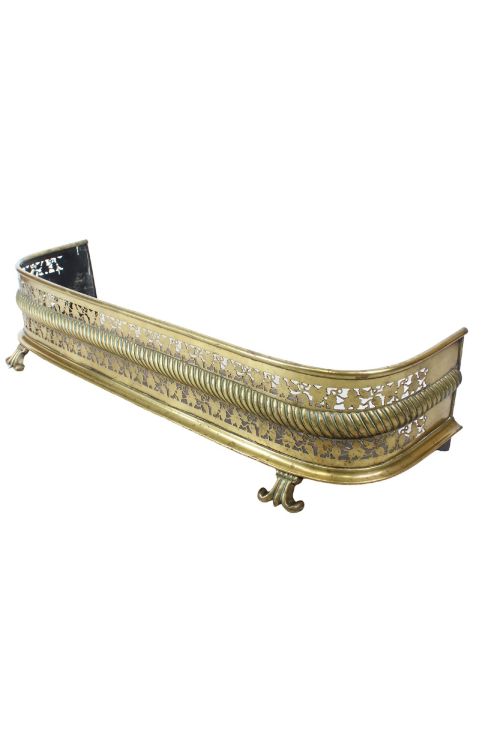
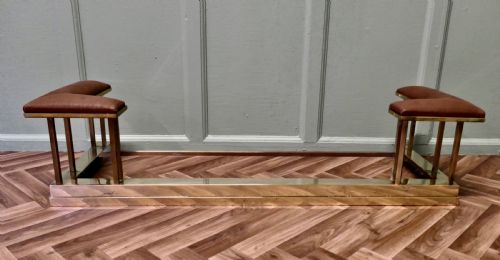
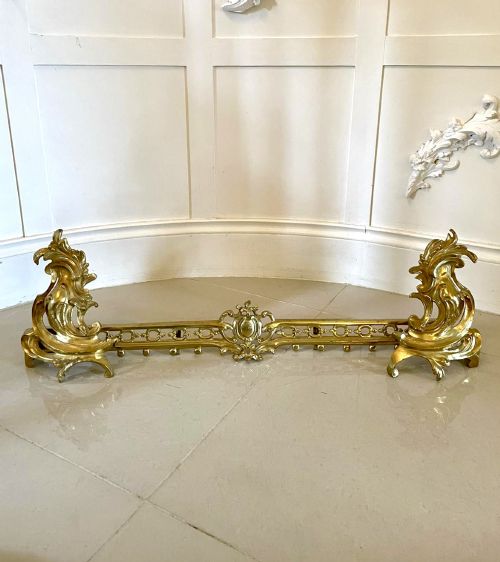
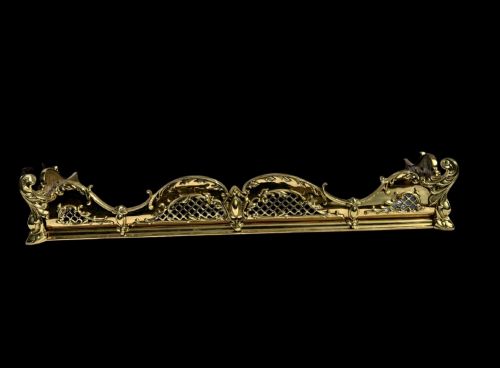
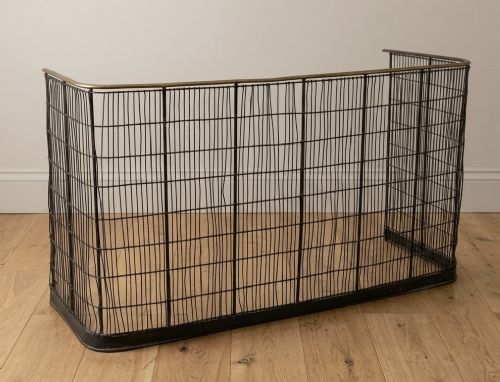
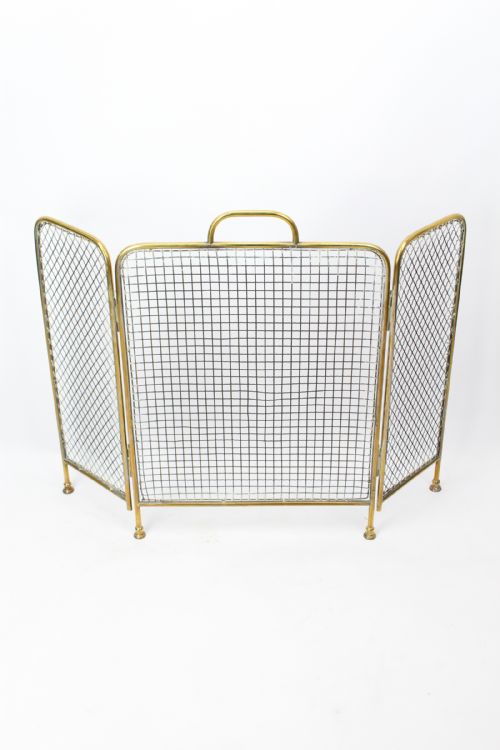
Forms range from low, floor-hugging hearth curbs to tall nursery fenders enclosed in wire mesh. You will find adjustable curbs, bowfront shapes, gate-fronted spark guards, and club fenders fitted with leather seats.
Materials and construction
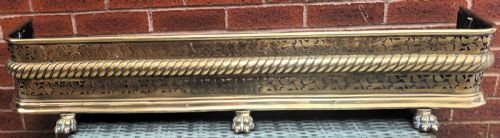
Makers relied primarily on metals such as brass, iron, steel, copper, and cast iron, often combining them within a single piece. A brass frame might hold fine wire mesh panels or rest upon a heavy iron base to anchor the structure firmly to the hearth.
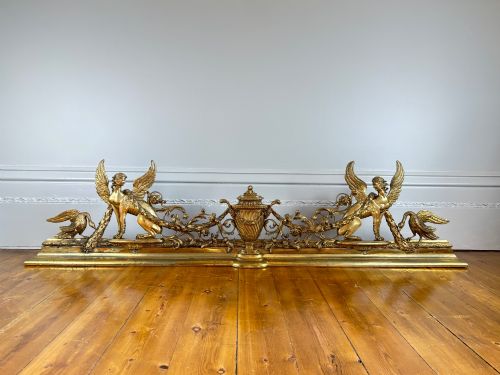
Decoration involved piercing sheet metal, casting ornamental motifs like flower pateras, and applying finishes such as ormolu, gilded brass, or black iron paint. Skilled metalworkers also utilised wrought iron for structural integrity and incorporated leather top rails on club fenders.
Materials represented across the inventory include brass, iron, wire mesh, steel, cast iron, ormolu, copper, and wrought iron.
What determines quality
Quality rests on the weight of the metal and the crispness of the detailing. Heavy gauge brass and thick iron indicate substantial construction built to withstand decades of hearthside use.
Refinement in the decorative elements sets finer examples apart from standard utility pieces. Pierced brass galleries with intricate geometric or floral patterns, hand-tooled leather upholstery on club seats, and precise joinery distinguish the work of skilled workshops.
E F Caldwell New York
The Antique Fireguard Fender Glossary
- Nursery fender
- A tall guard enclosed in wire mesh designed to keep children and pets at a safe distance from the fire. These often feature a brass top rail or a clothes drying rail.
- Club fender
- A low hearth fender equipped with upholstered leather seats on either side. These originated in gentlemen's clubs to provide warm seating close to the hearth.
- Patera
- A circular ornamental motif resembling a flattened rosette, frequently pressed or cast into Victorian brass and copper fenders.
- Spark guard
- A folding or fixed screen made from wire mesh that stops embers from escaping onto the floor. They often supplement traditional low curbs.
- Curb fender
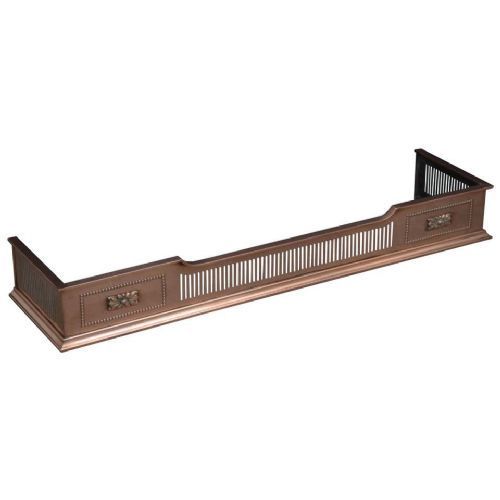
- A low metal barrier that sits directly on the hearthstone to contain ash and wood. These range from simple steel bars to ornate pierced brass frames.
Antique Fireguard Fender: Frequently Asked Questions
What is the difference between a fender and a fireguard?
A fender is a low metal curb that sits directly on the hearth to contain logs and ash, whereas a fireguard is a taller barrier designed to catch flying sparks and keep children away from the flames.
Many Victorian nursery guards combine both functions by placing a tall wire mesh screen on top of a low metal fender base.
How do I measure for a club fender?
You need to measure the width and depth of your fireplace opening and hearthstone, leaving enough clearance around the surround for the metal frame to sit comfortably.
Consider the height of the upholstered seats if you plan to sit on the fender, ensuring it matches the proportions of your hearth.
Are these fenders adjustable?
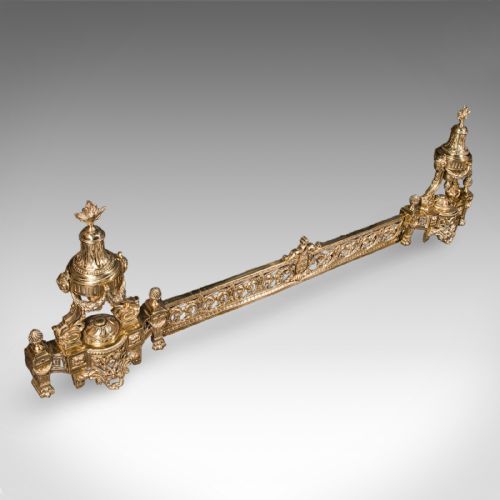
Certain metal curbs and extending fenders feature sliding mechanisms that allow the width to be adjusted to fit different hearth sizes.
Most antique wire mesh nursery guards and fixed brass fenders, however, are made to a single set dimension and cannot be altered.
How do I clean antique brass and copper?
Antique brass and copper benefit from gentle dusting with a soft cloth to remove soot and surface grime without stripping the aged patina.
Avoid harsh chemical metal polishes that can remove historical wear and alter the appearance of nineteenth-century finishes.