

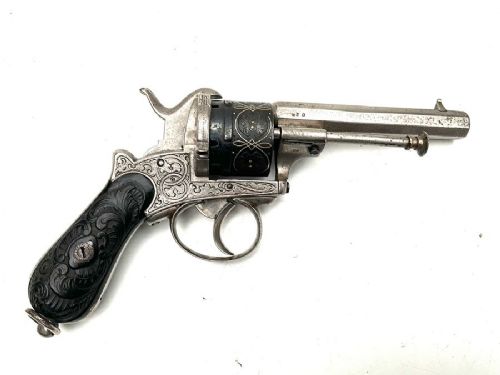


Antique Firearm
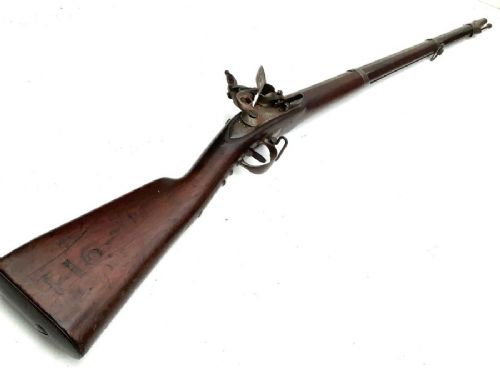
An antique firearm carries the mechanical ingenuity and martial history of centuries past, from pocket pistols to heavy cavalry muskets.
Antique Firearm
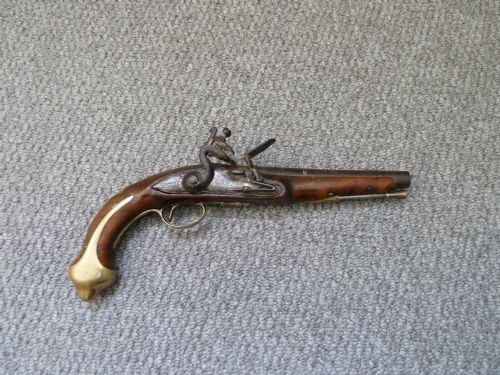
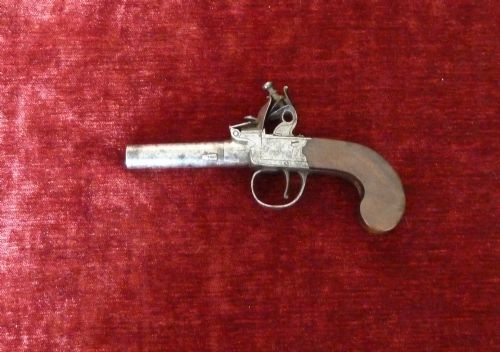
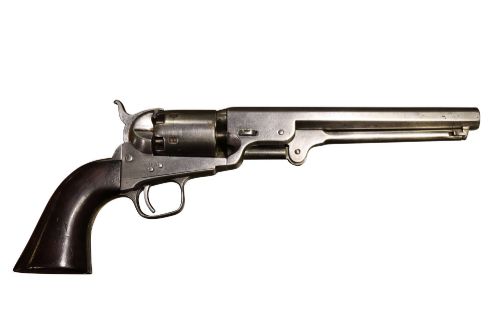
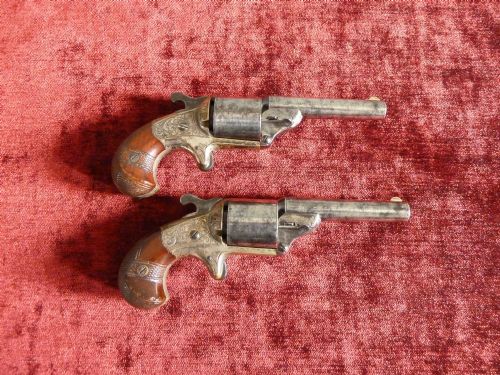
An antique firearm encompasses historical ordnance, long guns, and handguns designed before the modern cartridge era. When examining this category, a buyer encounters everything from 18th-century flintlock pocket pistols to mid-19th-century percussion revolvers and pinfire arms.
The material record on this page spans the 18th and 19th centuries, capturing Georgian, Victorian, and Regency periods alongside Ottoman and Indo-Persian designs. Regional martial pieces, such as Balkan snaphaunce pistols and Scottish scroll-butt arms, appear frequently beside British military and civilian output.
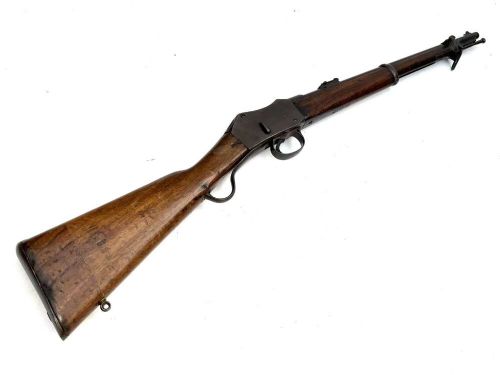
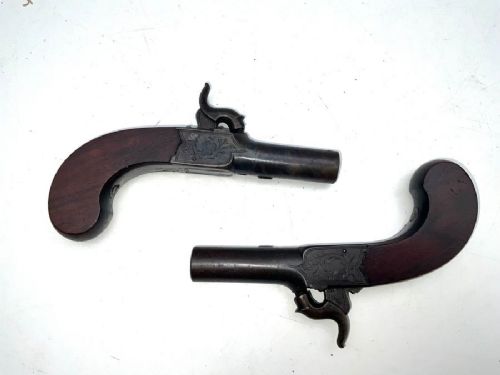
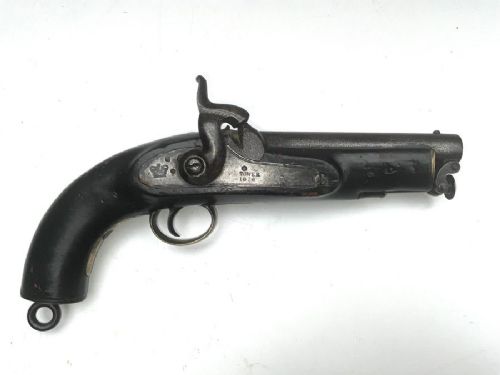
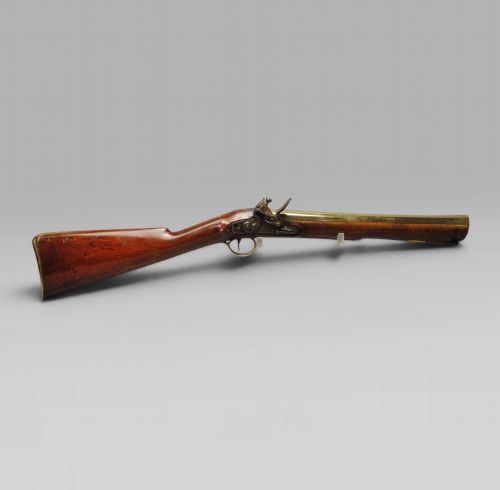
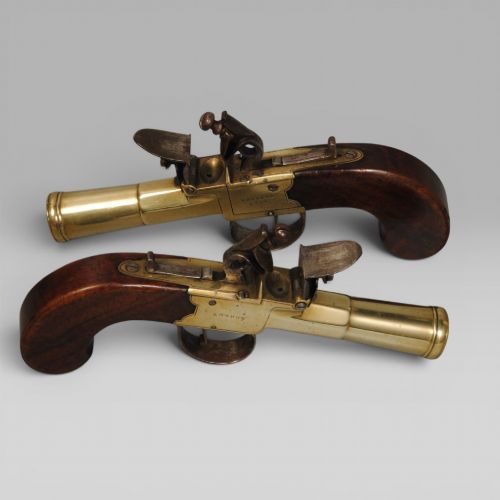
Forms range from concealable overcoat pocket pistols and boxlock blunderbusses to heavy Martini Henry carbines and military holster pieces. Buyers select these objects for their mechanical evolution, regional artistry, and documentary role in historical conflicts.
Materials and construction
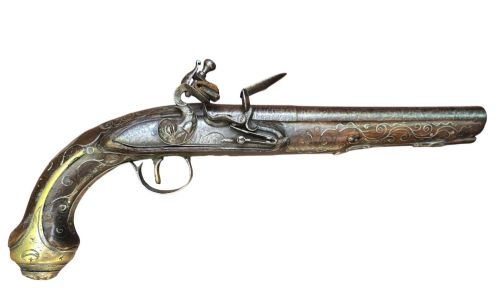
Makers constructed these mechanisms primarily from forged steel, iron, and brass barrels mounted into stocks of walnut, hardwood, or specialised regional timbers. Fine examples integrate delicate silver-wire inlay, mother-of-pearl mounts, and engraved brass furniture.
Lock mechanisms evolved through flintlock, percussion cap, and pinfire ignition systems, each demanding precise smithing and spring-tension tuning. Barrels were forged in various profiles, including round, octagonal, cannon-shaped, and blunderbuss flare configurations.
The listings on this page span the 18th century and 19th century, incorporating walnut, brass, steel, and silver.
Evaluating craftsmanship and condition
Quality rests in the crispness of the lock mechanism's action, the integrity of the metal engraving, and the original fit of the wood stock. Master gunsmiths signed their work and achieved tight tolerances that operated smoothly through repeated use.
Preservation of original surface finishes, matching serial numbers, and unpolished brass or steel components distinguish superior examples. Pieces retaining integrated accessories like bayonets, capping tools, or original fitted wooden cases demonstrate higher manufacturing tiers.
John Manton And Son·Harrison Of London·Mortimer·Allen And Thurber·John Campbell Of Doune·Joseph Egg·La Motte·T Potts·J R Cooper
The Antique Firearm Glossary
- Flintlock
- An ignition mechanism that uses a piece of flint striking a steel frizzen to produce sparks that ignite gunpowder. This system dominated military and civilian arms from the 17th through the early 19th centuries.
- Percussion
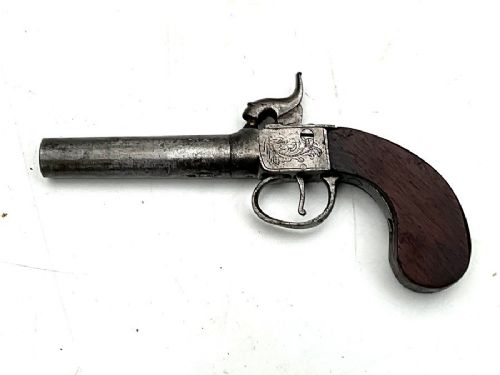
- A later ignition system utilising a small priming cap struck by the hammer to detonate the powder charge. It replaced the flintlock due to superior reliability in wet weather.
- Blunderbuss
- A firearm with a flared muzzle designed to scatter lead shot at close range. It was commonly utilised for coach defence and naval boarding actions.
- Pinfire
- An early cartridge design featuring a small ignition pin protruding radially from the base of the shell. The hammer strikes this pin to fire the round.
- Miquelet
- A distinct Mediterranean and Ottoman form of snaplock ignition featuring an external mainspring and a combined steel and frizzen. It represents a significant regional evolution in firearm engineering.
Antique Firearm: Frequently Asked Questions
What is an antique firearm?
An antique firearm is a weapon manufactured before the modern era, utilising ignition systems such as matchlock, wheel-lock, flintlock, or percussion cap.
These pieces reflect historical manufacturing standards, technological progression, and the artistic styles of their respective periods.
How do flintlock and percussion pistols differ?
A flintlock pistol relies on a flint striking steel to create a spark that ignites loose powder in a flashpan. A percussion pistol uses an enclosed percussion cap struck by a hammer to ignite internal powder.
The percussion system, introduced later in the 19th century, offered greater weather resistance and reliability.
Were these pistols used in military service?
Many pieces were issued to cavalry, naval personnel, and infantry units, often bearing official government stamps or military proofs. Civilian variants were simultaneously produced for self-defense, travel, and target shooting.
Military contracts typically prioritized durability and standardisation over decorative enrichment.