



Antique Filigree Drop Earrings
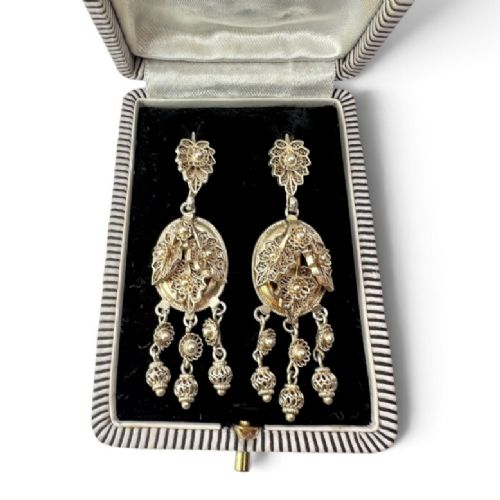
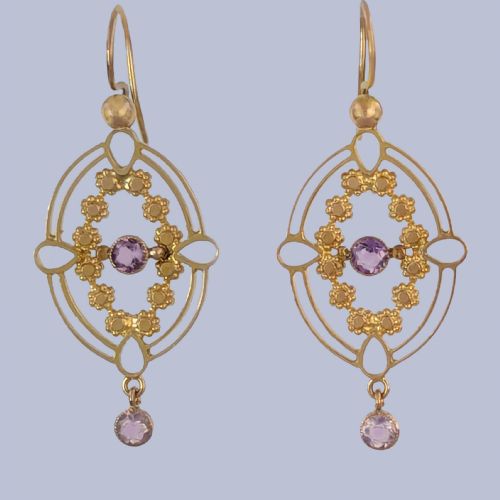
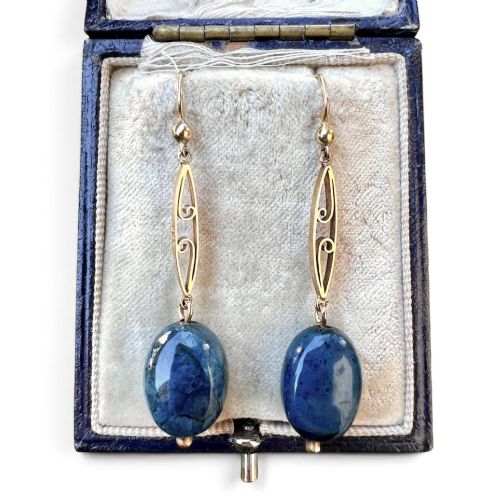
These antique filigree drop earrings combine delicate metalwork with period stones, offering timeless charm for the discerning collector.
Antique Filigree Drop Earrings
How they were made
The construction of these pieces relies on precious metals such as silver and various carats of gold, including yellow gold and white gold. Artisans soldered fine metal wires into intricate openwork patterns to create the signature filigree effect.
Gemstones like diamonds, pearls, coral, rock crystal, and amber were securely integrated into the metal frameworks. Carved cameos and paste stones also appear, demonstrating diverse lapidary techniques of the nineteenth and twentieth centuries.
Antique Filigree Drop Earrings Retail Price Guide 2026
Typical asking prices for filigree drop earrings among the pieces listed under this phrase on Sellingantiques today, from the lower quarter to the upper quarter. They describe what is for sale here now, not the wider market.
The site listings feature gold, silver, diamond, and apatite across Edwardian and Victorian periods.
What varies in quality
Quality in these earrings rests upon the intricacy of the metal wirework and the precision of the stone settings. Finer examples display meticulous soldered details and well-matched natural gems without adhesive residues.
The choice of materials also dictates the tier of the piece, with high-carat gold and older diamond cuts marking the upper range. Structural integrity in the drop mechanism ensures longevity and graceful movement.
The Antique Filigree Drop Earrings Glossary
- Filigree
- Ornamental work of fine wire, usually of gold or silver, formed into delicate tracery. This technique defines the visual lightness of the earrings.
- Edwardian
- A stylistic period spanning the reign of King Edward VII, known for platinum and diamond lightness. Pieces from this era often feature refined openwork.
- Aesthetic Movement
- A late nineteenth-century artistic style prioritising visual beauty over narrative meaning. Such earrings often display bold geometric or natural motifs.
- Paste
- Hand-cut glass used as a gemstone substitute in historical jewellery. High-quality paste was valued for its own decorative brilliance.
- Old cut
- A precursor to the modern brilliant diamond cut, characterised by a smaller table and high crown. This cut reflects candlelight with a softer glow.
Antique Filigree Drop Earrings: Frequently Asked Questions
Are these earrings comfortable for daily wear?
Most antique drop earrings are surprisingly light due to the openwork nature of filigree construction. However, larger gemstone drops require consideration for daily earlobe strain.
Consider reserving heavier diamond or banded agate pieces for special occasions while enjoying lighter gold and silver designs more frequently.
How can I tell Victorian from Edwardian earrings?
Victorian pieces often feature heavier yellow gold, romantic motifs, and darker stones like banded agate or coral. They lean towards substantial presence and historicism.
Edwardian designs favour white gold and platinum effects, brilliant diamonds, and an overall airy lightness. The transition reflects shifting aesthetic values towards refined grace at the turn of the century.
What is rock crystal in antique jewellery?
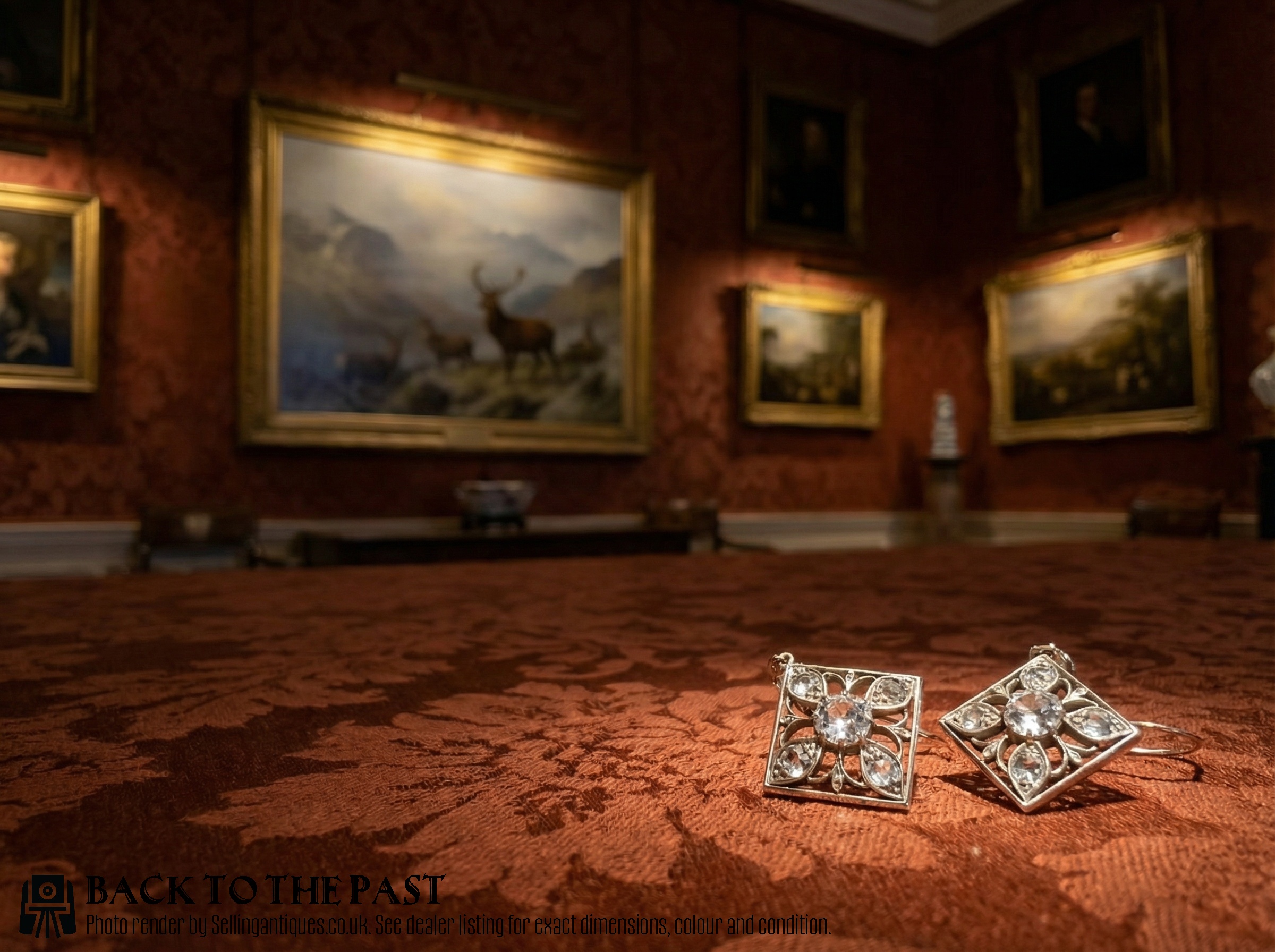
Rock crystal is naturally occurring colourless quartz that artisans cut and faceted to resemble diamonds. It provided a clear, brilliant sparkle in Victorian pieces.
Victorian makers valued rock crystal for its durability and optical clarity. It often appears paired with silver and gold mounts in sunburst or drop configurations.