


Antique Figure Group
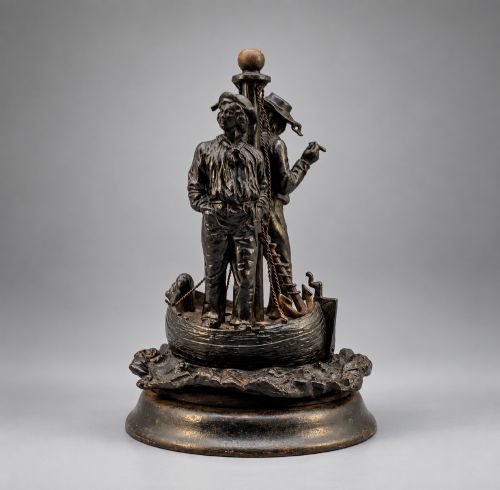
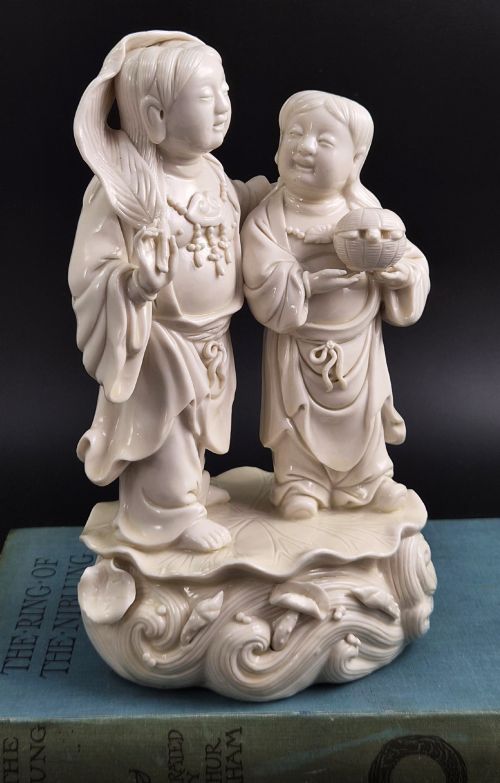
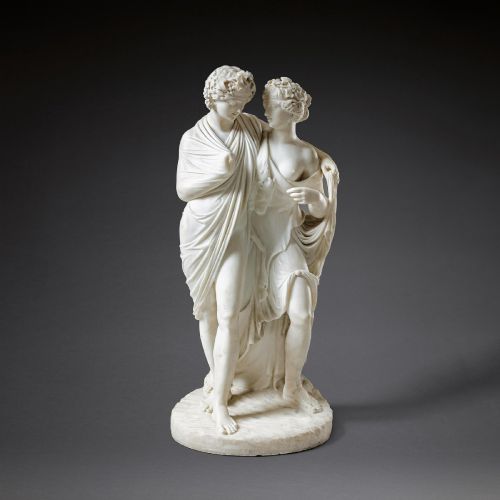
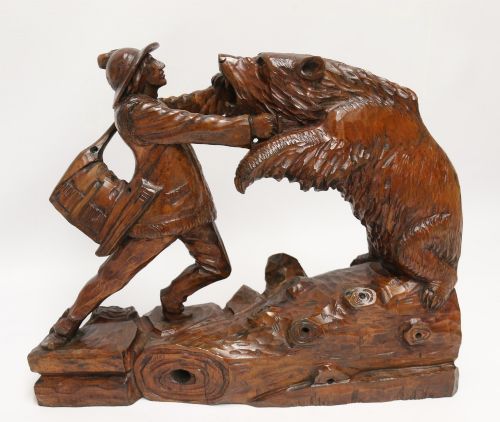
An antique figure group brings together multiple subjects in bronze, porcelain, wood or earthenware, telling a story through sculpted interaction.
Antique Figure Group
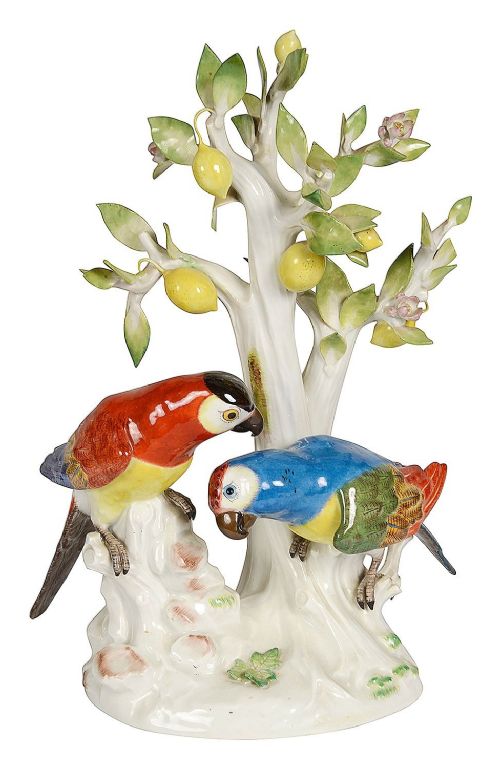
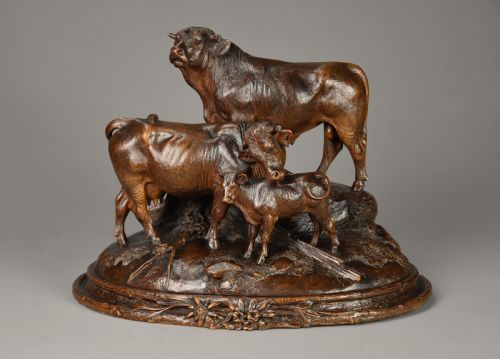
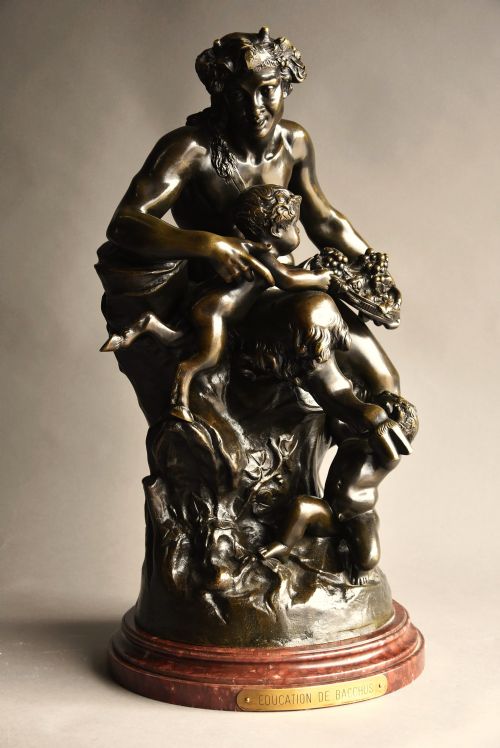
An antique figure group presents two or more interacting human, animal or mythical subjects composed as a single sculpture. When exploring this selection, buyers encounter everything from 18th-century European porcelain models to 19th-century bronze castings and carved wooden Black Forest animals.
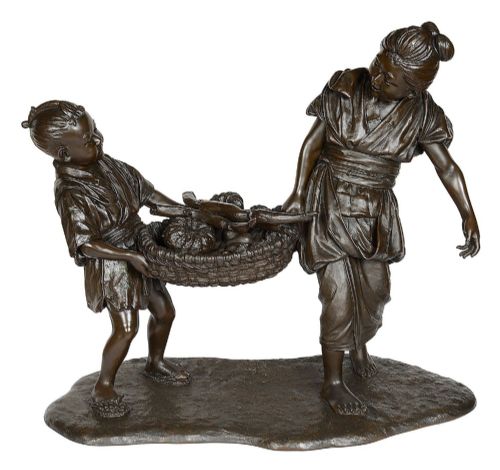
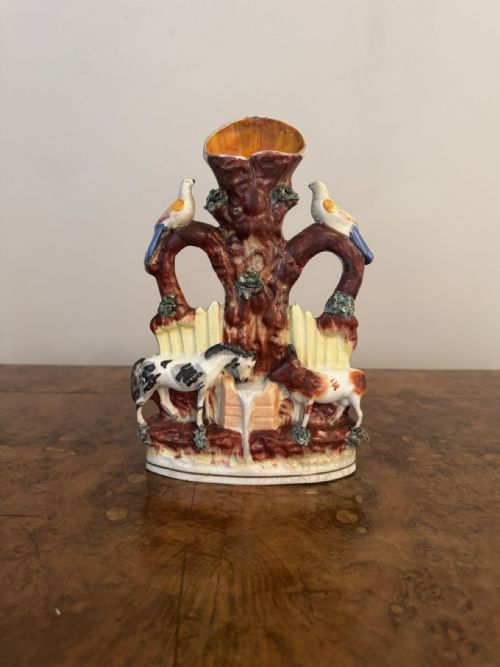
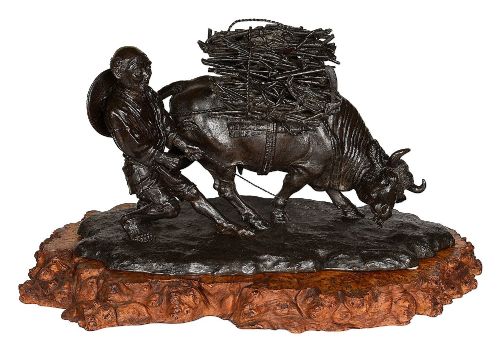
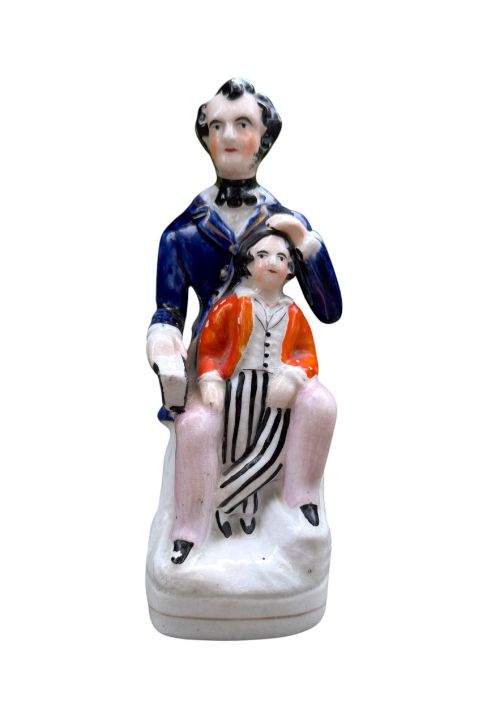
The format ranges from classical mythological pairings and pastoral scenes to Staffordshire earthenware portraits and Japanese bronze okimono. Most pieces originated in the 19th century, drawing on Georgian roots and extending into the early decades of the 20th century.
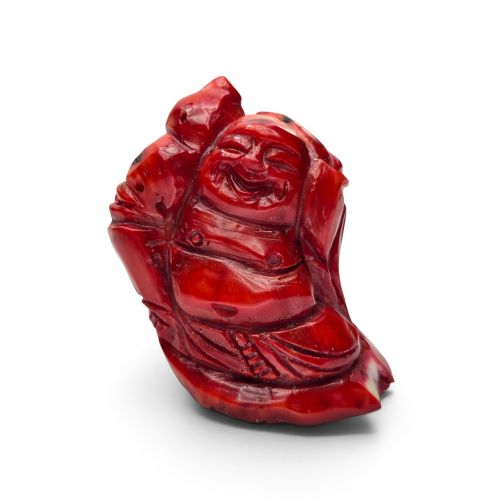
Makers utilised various traditional mediums to render complex narrative scenes, capturing moments between fishermen, deities, children and animals. Each piece relies on the physical arrangement of the subjects to create balance and narrative tension.
Materials and construction methods
Bronzes involve the lost-wax casting method, allowing artists to capture intricate details in molten metal before applying patination. Ceramic examples combine moulded earthenware or hard-paste porcelain with hand-painted glazes, enamel and sometimes gold leaf.
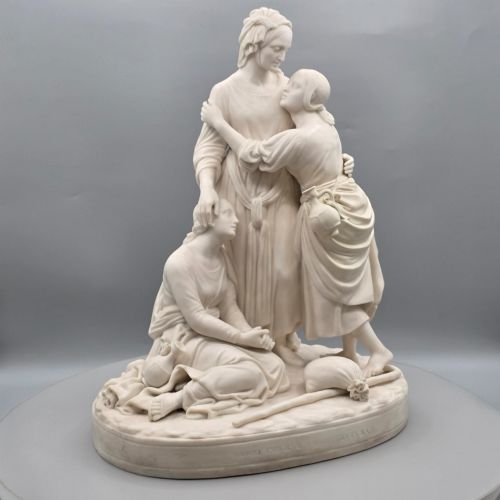
Carved wooden groups utilise linden wood or walnut, shaped with gouges and chisels to reveal natural grain and texture. Parian ware and terracotta provide alternative matte surfaces derived from fine clays.
Kiln-fired pieces required careful temperature control to prevent warping during porcelain or pottery manufacture. Assemblages often combined cast bronze figures with marble plinths or ormolu mounts.
Several wooden groups capture startled cattle and bears caught mid-stride by carvers working in forested European valleys.
Differentiating quality across examples
Sculptural execution dictates the standard of a bronze or wooden group, evident in the anatomical definition of limbs, drapery folds and facial expressions. Castings taken directly from a master model retain sharper details than secondary iterations.
Ceramic groups depend on the crispness of the porcelain moulding and the precision of the hand-painted enamel work. Later or secondary pressings often lose the fine definition seen in primary factory models.
Signatures, foundry stamps and documented model numbers elevate certain pieces by connecting them to known makers and periods.
Carlo Albacini·J Huggler·Claude Michel Clodian·Goldscheider·Emile Carlier·Kaniya Kuniharu·Bourdois and Bloch
The Antique Figure Group Glossary
- Spill vase
- A hollow ceramic or wooden vessel designed to hold taper matches, often incorporated into the background of an animal or human group.
- Parian ware
- A type of fine biscuit porcelain developed in the 19th century to imitate carved marble.
- Bocage
- An intricate background of ceramic foliage and leaves behind figures on porcelain candlesticks and groups.
- Okimono
- A Japanese ornamental carving intended for display on a shelf or cabinet.
- Pearlware
- A fine-grained earthenware with a pale bluish glaze, produced in England during the late 18th and early 19th centuries.
Antique Figure Group: Frequently Asked Questions
What defines a figure group?
A figure group consists of two or more distinct subjects sculpted or moulded together as a single unified composition.
Unlike solitary figurines, these pieces portray an active relationship, narrative or scene between the subjects.
How were ceramic groups decorated?
Potters applied hand-painted enamels, metallic lustres and coloured glazes over the fired clay body before a final glazing stage.
Some porcelain pieces incorporated applied lace dipped in liquid porcelain before firing.
Where should I display bronze groups?
Bronze and wooden figure groups require stable placement away from direct heat sources and strong moisture fluctuations.
Sturdy tabletops or dedicated display cabinets allow proper viewing angles for multi-sided sculptures.
How do I identify the period?
Dating relies on material composition, maker marks, foundry stamps and stylistic indicators associated with periods like the Victorian era or Qing Dynasty.
Comparison with documented factory model numbers helps establish precise timelines.