


Antique Figurative Table Sculpture
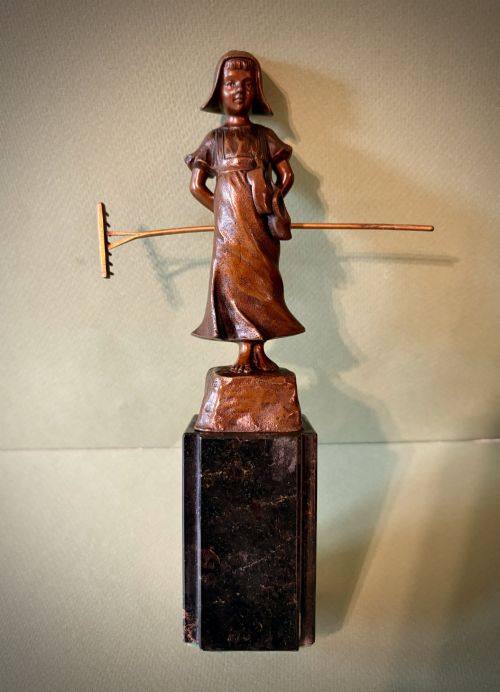
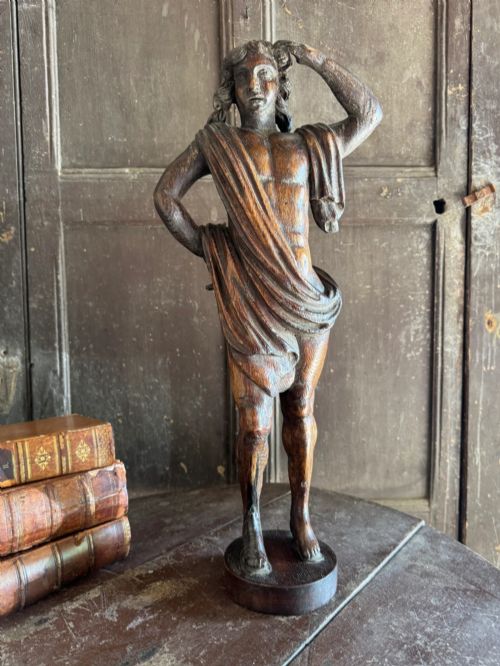
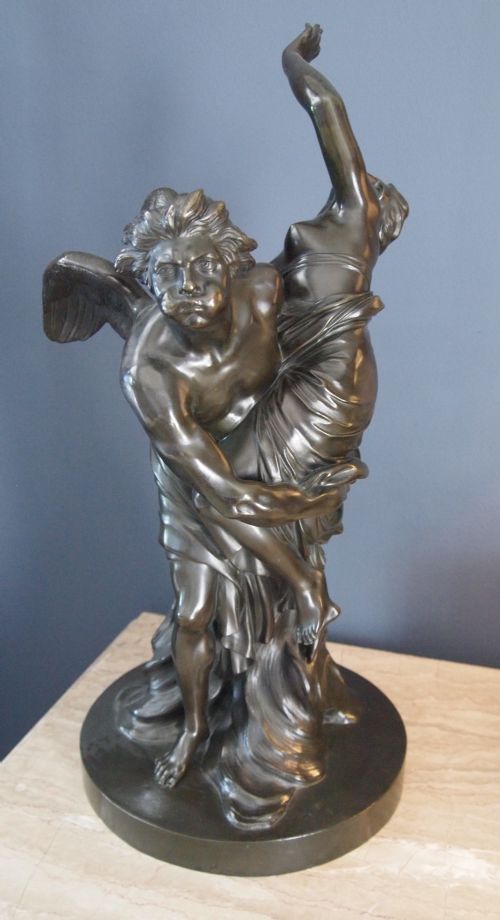
These antique figurative table sculptures bring solid form to rooms, ranging from patinated bronze figures to carved wood and porcelain lamps.
Antique Figurative Table Sculpture
An antique figurative table sculpture takes many shapes, often serving a dual purpose as a table lamp or perfume lamp alongside standalone bronze and wood figures.
You meet works spanning the eighteenth century through the art deco era, touching on neoclassical, victorian, art nouveau, and chinese qing dynasty styles.
The selection includes figures cast in bronze, spelter, and gilt bronze, alongside carved oak, ebonised wood, and root wood pieces.
How they were made
Metals are cast using traditional foundry methods, resulting in patinated bronze, gilt bronze, and slip cast metal figures.
Woodworkers utilise carved oak, ebonised timber, and natural root wood to shape classical and cultural figures.
Ceramics and porcelain are shaped into lamps and figurines, sometimes paired with electrical fittings or mounted on stone bases.
Materials span cast bronze, carved wood, marble, spelter, and porcelain across multiple centuries.
What varies in quality
The choice of material, from heavy marble and solid bronze to lighter spelter and earthenware, changes the physical presence of the piece.
The integration of functional elements, such as lamp fittings or perfume reservoirs, affects how the sculpture sits on a table.
Friedrich Goldscheider·Ivan Zaiec·Simon Louis Boizot·Argilor
The Antique Figurative Table Sculpture Glossary
- Spelter
- A zinc alloy used as a cheaper alternative to bronze for metal figures and lamps. It takes patination well but is softer than bronze.
- Vienna Bronze
- Small, highly detailed bronze sculptures produced in Austrian workshops during the late nineteenth and early twentieth centuries. They often feature cold-painted enamel finishes.
- Root Wood
- Timber formed from the root mass of a tree, appreciated for its gnarled, twisting grain. It is carved into organic table lamps and figures.
- Slip Cast
- A ceramic manufacturing technique where liquid clay slip is poured into a plaster mould. This allows for intricate hollow figures and lamp bodies.
Antique Figurative Table Sculpture: Frequently Asked Questions
Are these sculptures wired for modern use?
Several pieces function as table lamps or perfume lamps, combining figurative sculpture with lighting elements.
Buyers should inspect the electrical components to determine if rewiring suits local standards.
How do I identify art deco pieces?
Art deco figures from the nineteen twenties and thirties show streamlined geometry and stylised human or animal forms.
They frequently appear in gilt bronze, porcelain, or as lamps depicting dancers and animals.
What is the difference between bronze and spelter?
Bronze is a durable copper alloy that takes a deep, lasting patina and holds sharp cast details.
Spelter is a softer zinc alloy often used in turn-of-the-century lamps and figures as an economical alternative.
Where should I place a table sculpture?
These pieces fit naturally on sideboards, desks, and side tables where their height and detail can be appreciated up close.
Lamp versions also provide ambient lighting while acting as sculptural focal points.