
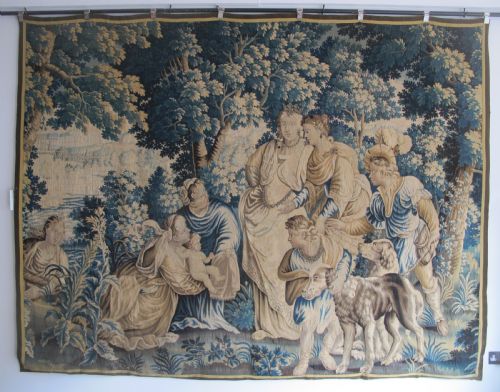


Antique Figural Wall Art
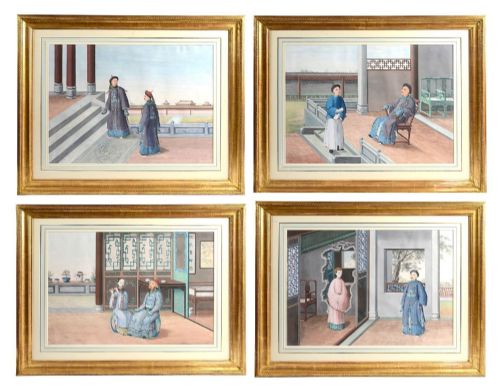
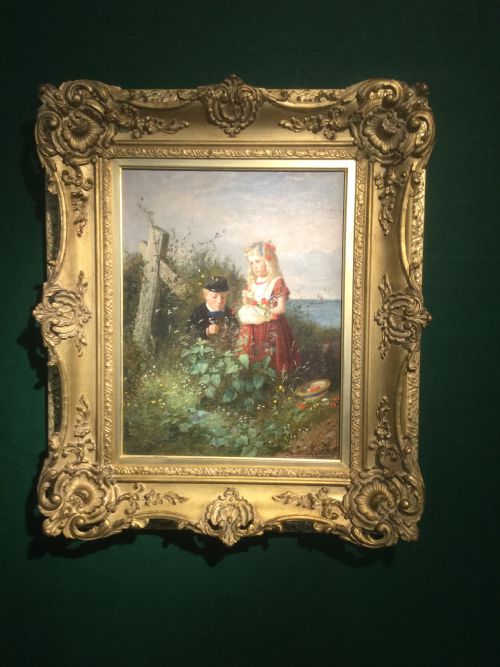
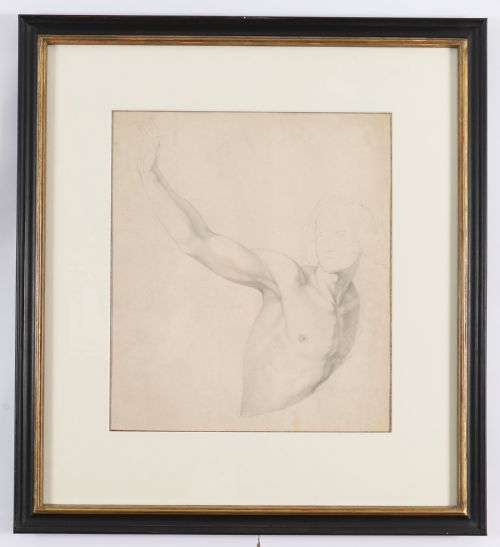
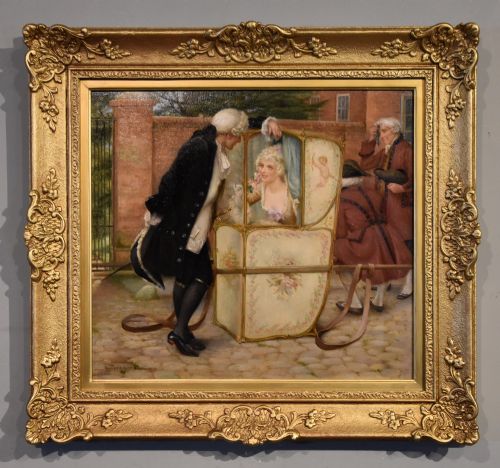
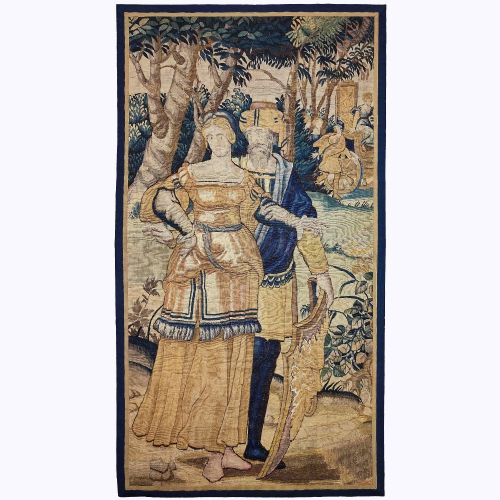
These antique figural wall art pieces bring centuries of human depiction into interiors through oil paintings, tapestries, and watercolours.
Antique Figural Wall Art
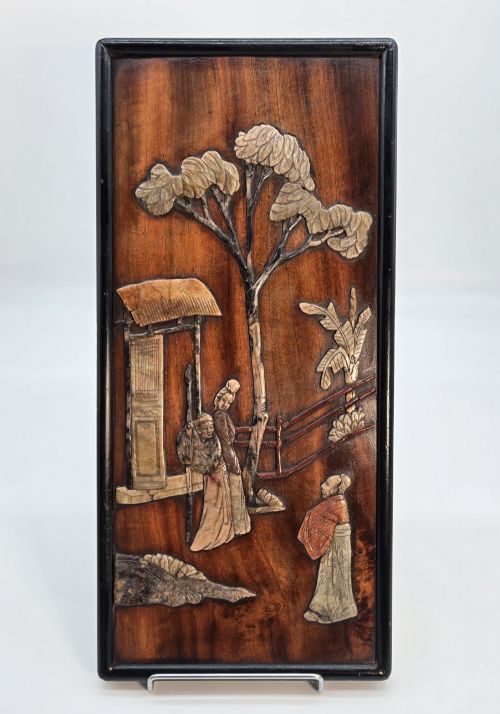
When searching for antique figural wall art, a buyer encounters a diverse range of depictions centred on the human form, spanning from delicate watercolours to grand woven textiles. The pieces available traverse numerous centuries, capturing everything from classical studies and academic portraits to Chinese export works and European pastoral scenes.
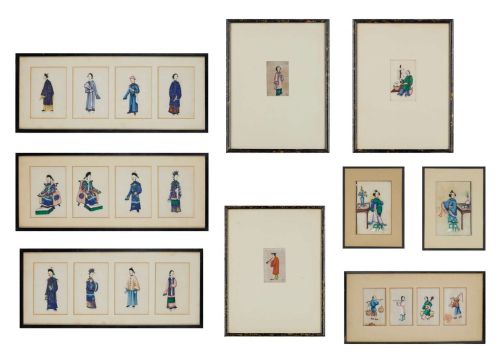
The most common examples on this page are oil paintings and woven tapestries, alongside works on paper such as pith paintings and watercolours. These items originate from various periods including the sixteenth, seventeenth, nineteenth, and early twentieth centuries, reflecting changing aesthetic ideals across different global regions.
Materials and construction methods
The physical construction of these works relies heavily on canvas, paper, silk, and wool, paired with supportive structures of wood and gilt frames. Painters utilised oil pigments and watercolours to build depth and detail, while textile pieces involved intricate weaving techniques using wool and silk threads.
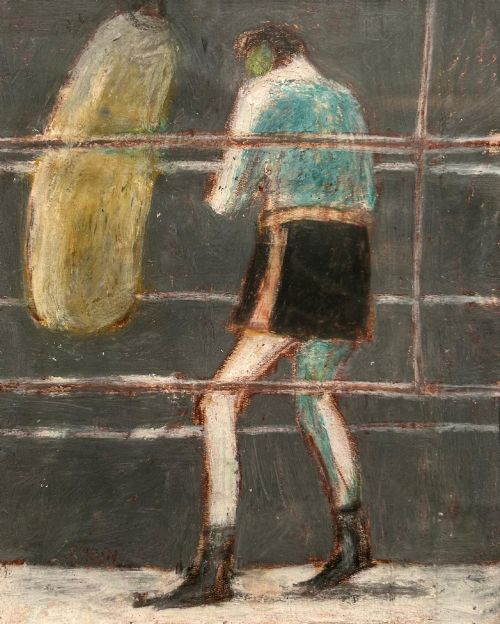
A nineteenth-century potato-peeling girl shares wall space with boxers, photographers, and courtly maidens.
Distinctions in quality and execution
Quality in these figural works rests upon the precision of the draughtsmanship and the expressive capability displayed in the human subject. Masterful handling of paint or thread brings vitality to portraits and narrative scenes, whereas lesser examples lack anatomical conviction and narrative depth.
The integrity of the materials and the survival of original surfaces dictate the standing of a piece. Finer items retain their original tension, vibrant pigments, and untouched frames, while degraded examples suffer from heavy pigment loss, fraying textiles, or unsympathetic restoration.
Charles Hunt·Delapoer Downing·Georges Goursat·John Robert Dicksee·Phyllis Morgans·Noel Quintavalle·Joseph Emmanuel Weiser·Geisler Munchen
The Antique Figural Wall Art Glossary
- Aubusson tapestry
- A hand-woven textile panel produced in the French town of Aubusson, known for pastoral and figural scenes. These large wall hangings employed wool and silk to create detailed pictorial compositions.
- Collotype print
- A photomechanical printing process that produces continuous tone images without a traditional screen. This technique generated detailed fine art reproductions during the early twentieth century.
- Pith paintings
- Watercolours painted on sheets of pith paper derived from the pith plant. These delicate Chinese export works often depicted figures in traditional costumes.
- Needlepoint
- A type of canvas work embroidery stitched by hand using wool or silk yarn. It frequently appeared on seventeenth-century cushions and nineteenth-century wall panels depicting courtly figures.
Antique Figural Wall Art: Frequently Asked Questions
How are antique tapestries hung on walls?
Heavy textile panels require a sturdy wooden batten or hidden metal brackets distributed evenly along the top edge to support the weight without distorting the weave.
Smaller cushion covers and panels are often mounted within custom frames or attached to padded backing boards before hanging.
Where should oil paintings be placed?
Oil paintings require stable indoor environments away from direct sunlight, excessive humidity, and sudden temperature fluctuations that cause the canvas to warp or the paint to crack.
Placing them on interior partition walls helps protect the delicate pigments and wooden stretchers from environmental damage.
How do I identify a 19th-century watercolour?
Nineteenth-century watercolours typically show subtle paper ageing, traditional watermark characteristics, and hand-mixed pigments applied with varied brushwork rather than modern dot patterns.
Examining the piece outside its glazing often reveals the distinct texture of rag paper used during that era.
Can framed textiles be cleaned safely?
Surface dust on glass and wooden frames can be removed with a dry, soft cloth while avoiding any moisture contact with the textile inside.
Professional conservators must handle internal cleaning or repairs for historic silk, wool, and canvas pieces to prevent irreversible fibre damage.