

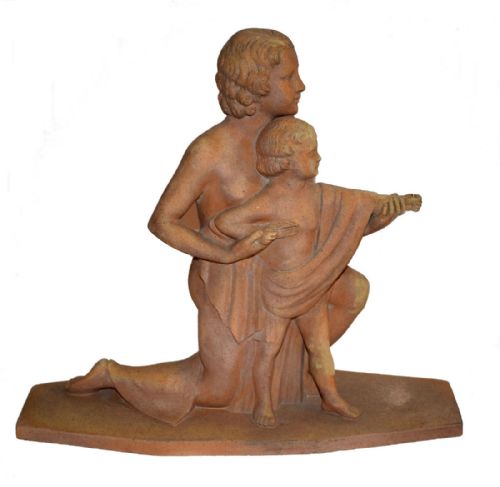


Antique Figural Sign
An antique figural sign brings human or animal form directly into the decorative object, shaping metal and stone into lasting characters.
Antique Figural Sign
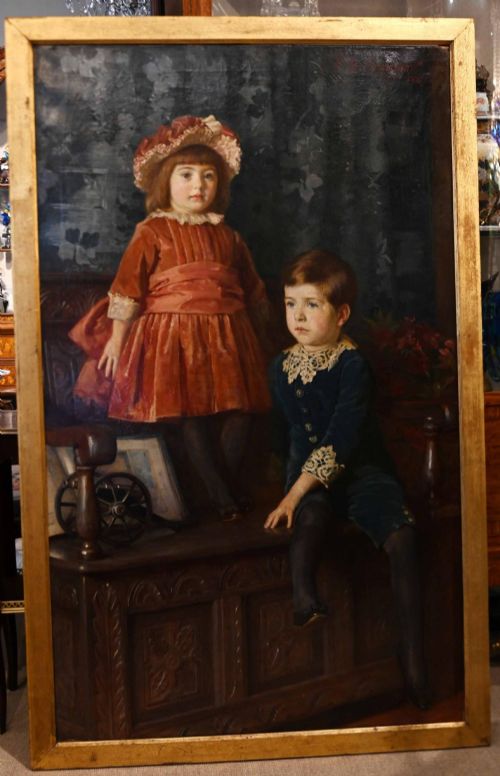
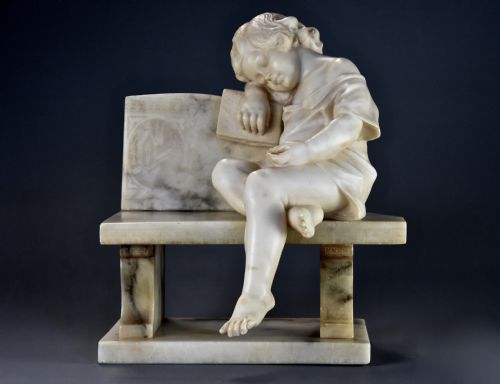
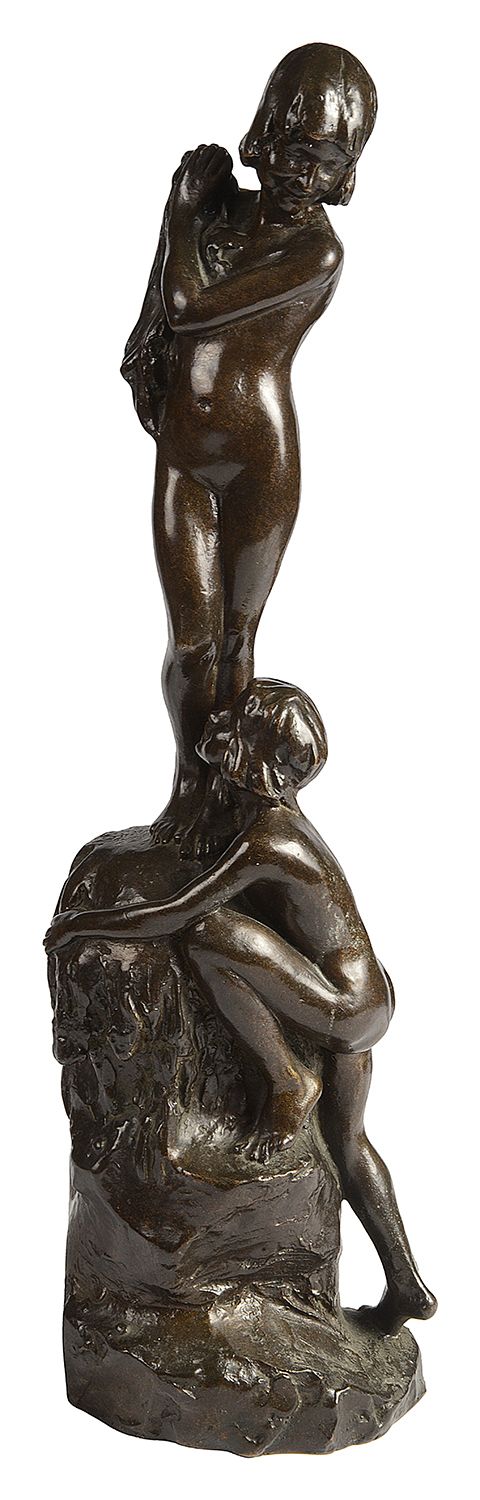
When you search for an antique figural sign, you encounter sculptures, lamps, clocks, and paintings that incorporate distinct human or animal shapes into their design. The selection ranges from Victorian bronze figures to Art Deco alabaster dancers and oil paintings.
Most pieces date from the nineteenth and early twentieth centuries, spanning periods such as Victorian, Art Nouveau, and Art Deco. These items merge practical domestic objects like lamps and bookends with figurative art modelled in bronze, spelter, marble, and wood.
Materials and Techniques
Metals dominate the construction, utilising cast bronze and spelter to capture intricate details in human figures, animals, and drapery. Skilled founders employed traditional casting methods, often finishing the surfaces with silvering or patination.
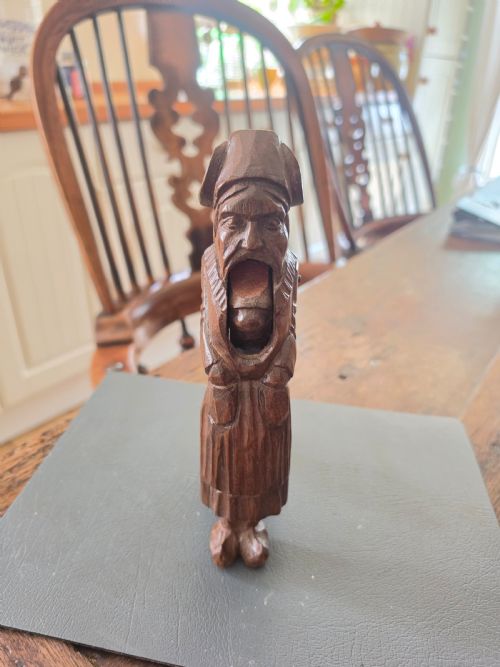
Natural stone and wood provide substantial bases and primary forms, seen in carved alabaster, marble figures, and oak nutcrackers. Painters also worked with oil on canvas to create detailed figural portraits and scenes.
Antique Figural Sign Retail Price Guide 2026
Typical asking prices for figural sign among the pieces listed under this phrase on Sellingantiques today, from the lower quarter to the upper quarter. They describe what is for sale here now, not the wider market.
Listings feature items spanning the 18th Century through the 1930s, constructed from bronze, marble, spelter, wood, and oil on canvas.
Evaluating Quality
Quality rests in the precision of the casting and the crispness of the chisel work on bronze, spelter, and marble surfaces. A superior piece retains sharp facial expressions, clear hand-finishing, and well-defined signatures from the maker.
The integration of the figure into the functional object also dictates value, where lamps, bookends, and clocks balance structural integrity with artistic sculptural presence.
Antoine Bofill·Auguste Moreau·Henri Honore Ple·Charles Anfrie·James Hadley
The Antique Figural Sign Glossary
- Spelter
- A zinc alloy commonly used as a less expensive alternative to bronze in nineteenth-century French sculptures and lamps. It often received a bronze-coloured or silvered finish to mimic more costly metals.
- Patina
- The surface sheen or colour that develops on bronze and other metals over time through age and handling. Makers also applied chemical patinas intentionally during production to enhance depth and shadow in figural works.
- Alabaster
- A fine-grained, translucent stone used for carving decorative sculptures and lamp figures. Its softness allows for smooth, glowing contours particularly favoured in Art Deco design.
- Torchere
- A tall ornamental stand or floor lamp designed to hold a light source. In figural pieces, the stem often takes the shape of a carved or cast human figure holding the torch or light.
- Bisque
- Unglazed ceramic porcelain that has been fired once, offering a matte, marble-like texture. It appears on detailed figural decorative objects and mantle pieces.
Antique Figural Sign: Frequently Asked Questions
What is an antique figural sign?
An antique figural sign is a decorative object or sculpture that incorporates human or animal forms into its design. These pieces often serve a dual purpose as both art and functional items like lamps or bookends.
The selection includes works cast in bronze and spelter, carved from marble and alabaster, or painted in oil on canvas. They primarily date from the nineteenth and early twentieth centuries across various European styles.
How do I identify the period?
Dating relies on observing the prevailing artistic style, materials, and specific maker signatures recorded on the piece. Victorian works often show ornate traditional detailing, while later pieces adopt streamlined Art Nouveau or geometric Art Deco forms.
Examining the base materials, such as the shift from nineteenth-century cast bronzes to early twentieth-century alabaster and bisque, helps narrow down the era of production.
Where were these pieces displayed?
These figural objects sat predominantly in domestic interiors as mantelpiece ornaments, table lamps, and structural bookends. Wealthy households utilised large bronze sculptures and torcheres to anchor hallway and parlour decoration.
Smaller items like miniatures and framed oil paintings found places on desks, side tables, and gallery walls throughout the Victorian and Edwardian periods.
How should I care for bronze and spelter?
Care requires gentle dusting with a soft, dry cloth to prevent the accumulation of dirt in the recesses of the casting. Avoid using chemical polishes or water, which can strip away original patinas and protective finishes.
Maintaining a stable indoor humidity helps preserve both metal sculptures and associated stone bases like marble and alabaster from environmental stress.