


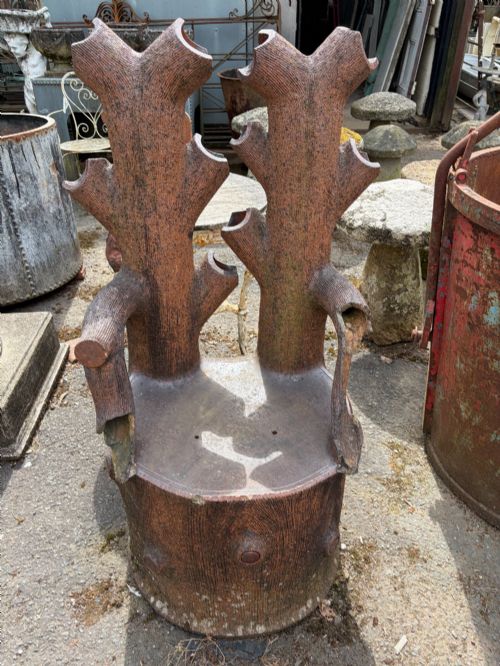


Antique Faux Bois
These pieces of antique faux bois bring the organic beauty of the natural world indoors and into the garden through masterful imitation.
Antique Faux Bois
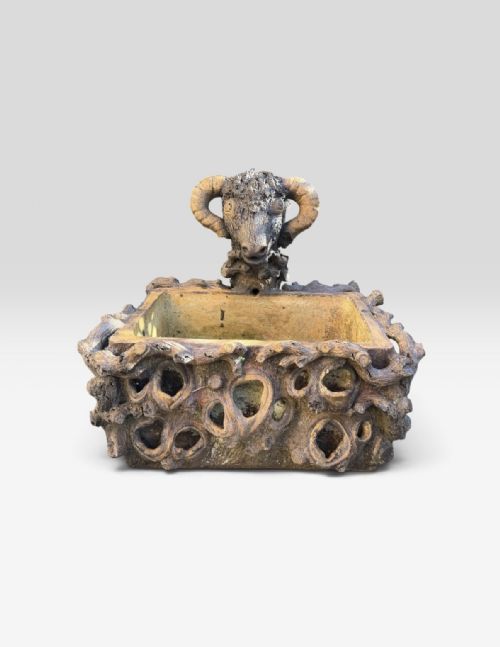
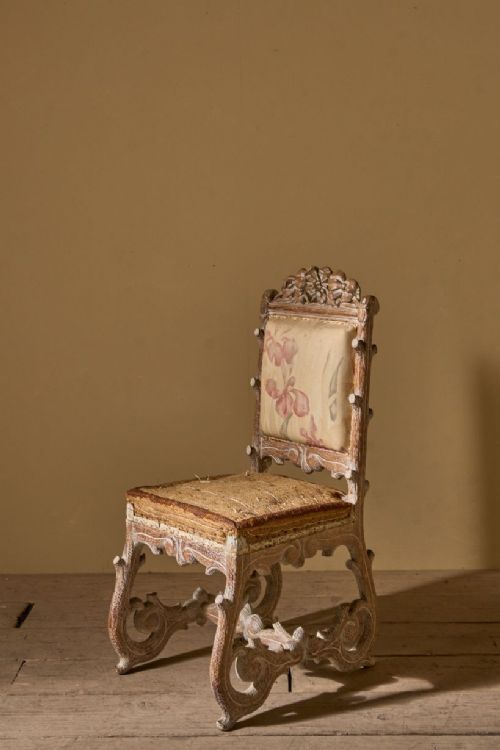
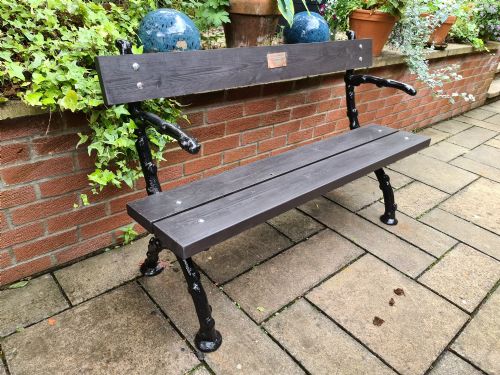
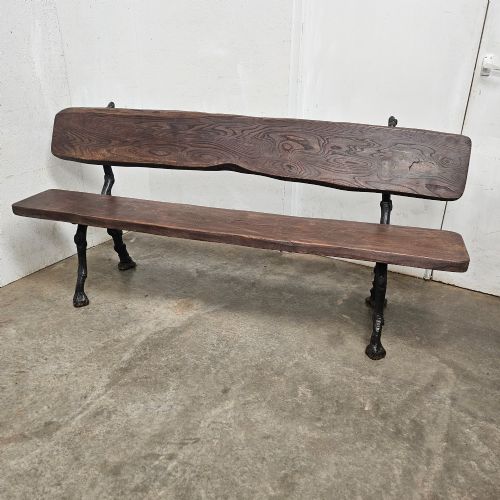
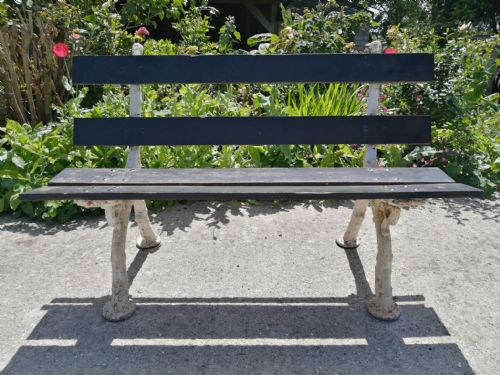
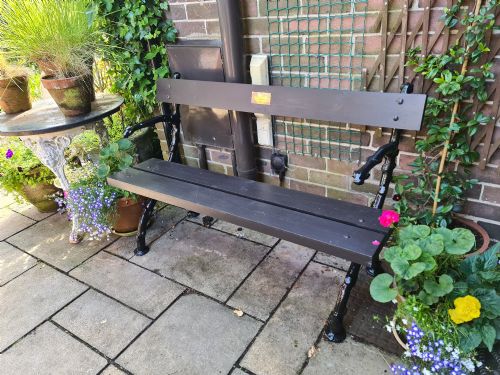
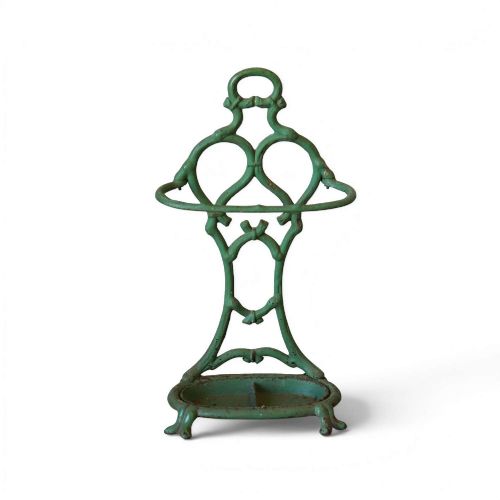
Antique faux bois encompasses items designed to simulate wood grain and natural plant forms across a variety of materials and domestic objects. When searching for antique faux bois, buyers encounter practical garden furniture alongside decorative interior pieces like wall mirrors and umbrella stands.
How they were made
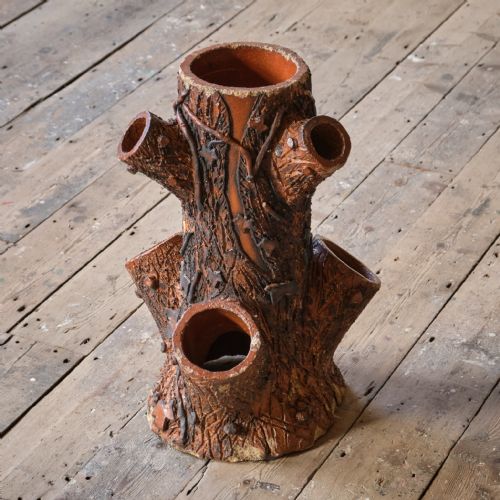
Makers utilised durable outdoor materials such as cast iron, terracotta, and salt-glazed stoneware, moulding and shaping them to mimic the knots, bark, and branching of living trees. These structural elements were frequently finished with specialised paint techniques or natural glazes to replicate the warmth of timber.
Interior wooden pieces relied on hand carving and applied finishes, using woods like elm to create realistic rustic textures. Artisans also employed decorative paint finishes such as scrumbles to simulate finer woods like mahogany on simpler domestic furniture.
Antique Faux Bois Retail Price Guide 2026
Typical asking prices for faux bois among the pieces listed under this phrase on Sellingantiques today, from the lower quarter to the upper quarter. They describe what is for sale here now, not the wider market.
Nineteenth-century artisans went to great lengths to trick the eye, carving even umbrella stands to look like bundles of bamboo.
What varies in quality
The degree of naturalism separates standard examples from exceptional ones, depending on how closely the maker observed actual tree growth and bark patterns. Superior pieces display finely detailed moulding or carving that convinces the eye from a short distance.
The integrity of the original surface finish dictates desirability, particularly on painted metals and simulated wood surfaces where remaining pigment or glaze defines the character. Subtlety of colouration and preservation of texture across high-relief surfaces distinguish the finest specimens.
Coalbrookdale
The Antique Faux Bois Glossary
- Faux bois
- An artistic imitation of wood and tree forms applied to materials like iron, ceramic, and stone. This French term translates directly to false wood.
- Scrumble
- A decorative painting technique involving the manipulation of a translucent glaze over a paler ground colour. This method creates the mottled effect seen in simulated wood finishes.
- Salt-glazed stoneware
- Pottery that develops a glossy, slightly pitted texture resembling orange peel through the introduction of salt into the kiln during firing. It provides robust protection for garden planters exposed to the elements.
- Jardiniere
- An ornamental pot or stand designed to hold living plants or flowers. These items often feature naturalistic bark or branch motifs in keeping with the faux bois aesthetic.
- Black Forest style
- Carved wooden furnishings and decorative objects originating from the mountainous region of central Europe. Pieces in this style heavily incorporate realistic animal and forest flora carvings.
Antique Faux Bois: Frequently Asked Questions
What materials make up antique faux bois?
Makers utilised a diverse range of substances, including cast iron, terracotta, salt-glazed stoneware, and carved timber. Each material was chosen for its suitability to either garden utility or interior decoration.
The choice of material often dictates the object's form, with heavy metals and ceramics favoured for benches and planters, while carved wood suited smaller mirrors and boxes.
Where were these pieces originally placed?
Garden benches, planters, and troughs found their natural home outdoors on terraces, lawns, and within conservatories. They were designed to blend seamlessly with actual foliage and garden landscapes.
Interior items like umbrella stands, wall mirrors, and small boxes brought rustic or whimsical woodland motifs into hallways and reception rooms of period homes.
How do I care for painted garden metalwork?
Preserving the surface requires protecting the metal from prolonged moisture and harsh winter frost. Gentle cleaning without abrasive chemicals ensures the remaining painted or simulated finishes stay intact.
Storing pieces undercover during the coldest months helps prevent flaking and structural degradation of the original protective coatings.
How do I distinguish nineteenth century examples?
Dating relies heavily on manufacturing methods, material composition, and characteristic wear patterns consistent with Victorian production techniques. Heavy cast iron components and specific salt-glaze formulas point directly to this era.
Stylistic markers such as Victorian rustic or early French Art Nouveau designs provide further context for establishing the period of origin.