







Antique Fars Rug
An antique fars rug brings the woven heritage of south-west Persian tribal workshops directly into your interior.
Antique Fars Rug
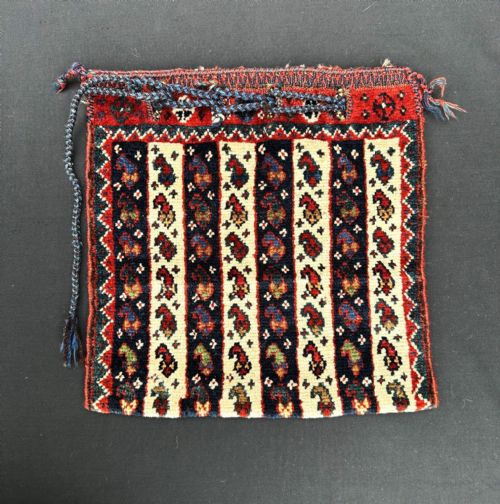
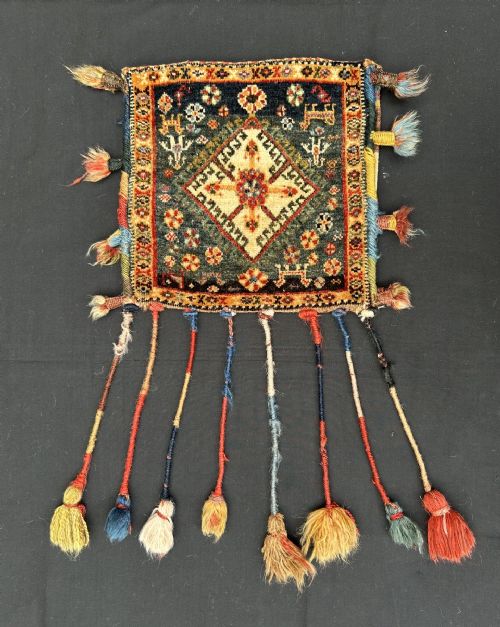
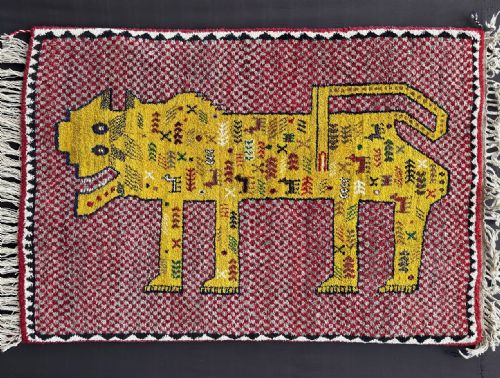
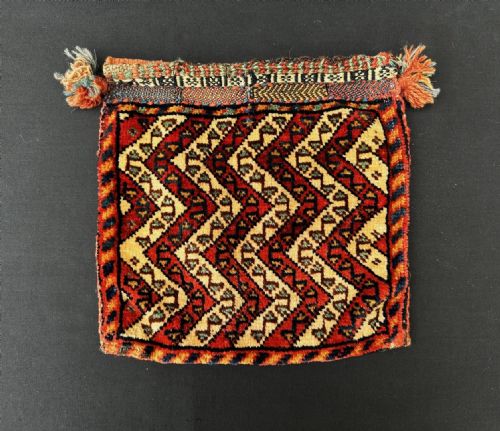
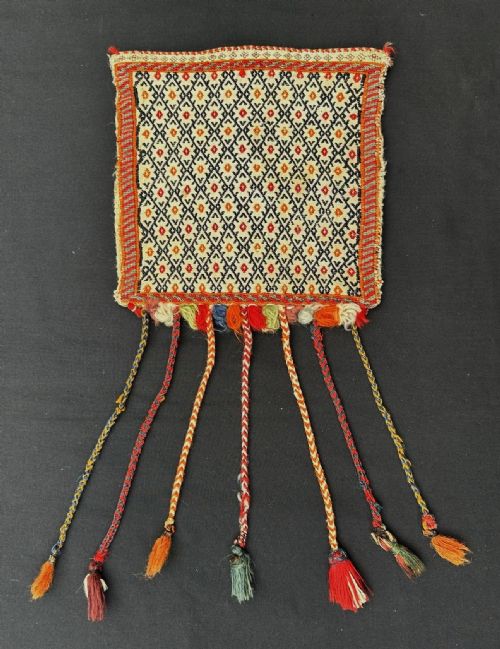
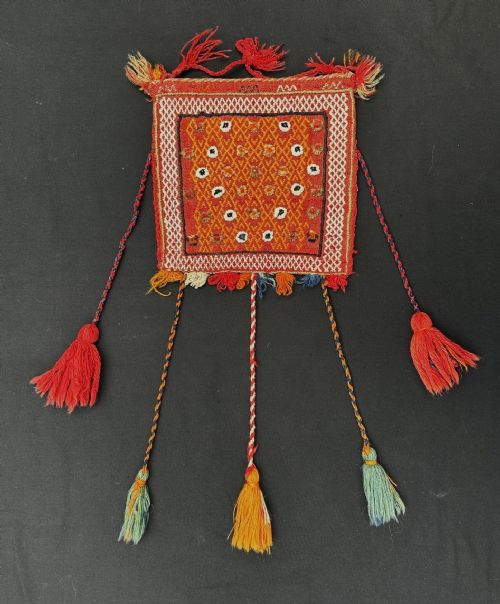
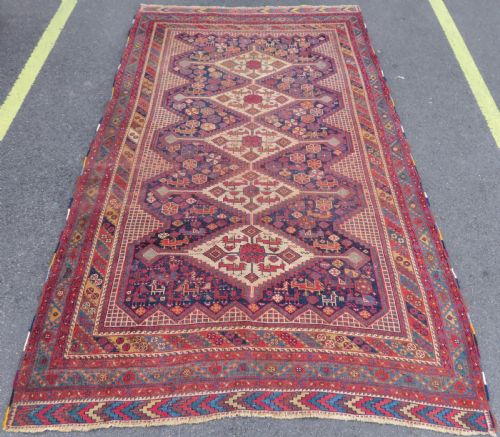
When you search for an antique fars rug, you encounter the vibrant tribal textiles and utility bags woven across the Fars Province of south-west Persia. These pieces emerge from nomadic confederacies such as the Qashqai and Khamseh, capturing the distinct cultural output of southern Persia.
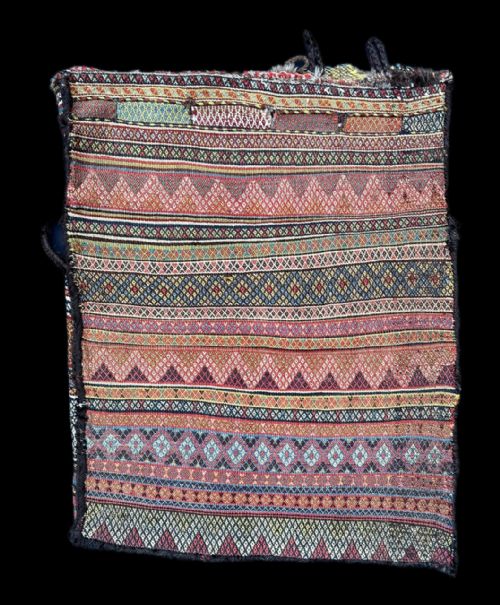
The selections available here span small vanity bags, saddlebags, salt bags, kilims, and room-sized carpets rather than standard floor coverings alone. You are most likely to meet utilitarian bags and smaller tribal formats alongside floor rugs produced between 1870 and 1920.
How they were made
Weavers constructed these textiles predominantly from hand-spun wool and standard cotton foundations, integrating natural dyes to achieve rich colour palettes. Artisans also incorporated supplementary materials like leather and wood in functional items such as baby cradles and storage bags.
The construction relies on traditional tribal knotting and flatweaving techniques native to south-west Persia. Natural dye sources produce the distinct chromatic depth seen across the surviving carpets and utilitarian bags from this region.
Antique Fars Rug Retail Price Guide 2026
Typical asking prices for fars rug among the pieces listed under this phrase on Sellingantiques today, from the lower quarter to the upper quarter. They describe what is for sale here now, not the wider market.
What varies in quality
The distinction between tiers rests upon the fineness of the knotting and the precision of the tribal design execution. Superior examples display tighter structural integrity and more complex geometric or figurative compositions.
The saturation and preservation of the natural dyes significantly influence the visual impact of each textile. Pieces retaining vibrant, unblemished colour distribution from the late nineteenth and early twentieth centuries command greater appreciation from collectors.
The Antique Fars Rug Glossary
- Confederacy
- A loose alliance of nomadic tribes and sub-tribes operating within the Fars Province. This structure allowed distinct groups like the Qashqai to share regional design traditions while maintaining separate identities.
- Tayefeh
- A Persian term denoting a specific tribe or clan within a larger confederacy. Identifying the tayefeh helps pinpoint the precise origin of a nomadic textile.
- Kilim
- A flatwoven textile produced without a pile. These pieces form an essential category of nomadic weaving used for floor coverings and storage.
- Saddle-bag face
- The decorative front panel of a utilitarian animal bag intended for transport. These panels survived independently after the original backing materials deteriorated.
Antique Fars Rug: Frequently Asked Questions
How were these rugs used?
Nomadic weavers created these textiles primarily for practical storage, transport, and daily camp life in south-west Persia. Items functioned as grain sacks, saddlebags, vanity pouches, and bedding covers.
Over time, these utilitarian objects transitioned into decorative interior elements. Their robust construction allowed them to endure the harsh conditions of migration before entering collections as textile art.
How do I live with one?
Place these smaller tribal rugs and bags in low-traffic zones or mount them on walls as textiles. Their rich wool textures and geometric patterns complement both modern and traditional interiors.
Protect the pieces from direct sunlight to preserve the natural dyes. Gentle rotation and professional cleaning tailored to antique wool maintain the integrity of the weave.
How do I tell periods apart?
Dating relies on stylistic shifts, material analysis, and structural characteristics recorded in late nineteenth and early twentieth-century pieces. Earlier examples from the 1870s often exhibit denser hand-spun wool and specific tribal colour chemistry.
Pieces originating closer to 1920 show subtle evolutions in palette and structure. Comparing the specific sub-tribe attributions helps establish a reliable chronology.
What defines tribal pieces?
Tribal textiles originate from nomadic or semi-nomadic groups rather than urban workshop centres. The designs draw from generational memory, incorporating stylized animals, plants, and geometric medallions.
These patterns reflect the pastoral environment and cultural heritage of south-west Persian confederacies. Each weaver adapted traditional motifs spontaneously without pre-drawn paper cartoons.