


Antique Farming Artwork
Antique farming artwork captures the agrarian routine and pastoral landscape through oils, watercolours, and textiles that bring rural heritage indoors.
Antique Farming Artwork
When you search for antique farming artwork, you encounter visual records of agrarian life ranging from the eighteenth century through the mid-twentieth century. The selection spans formal oil paintings on canvas and panel, delicate watercolours, original etchings, and embroidered silk and wool pastoral pictures.
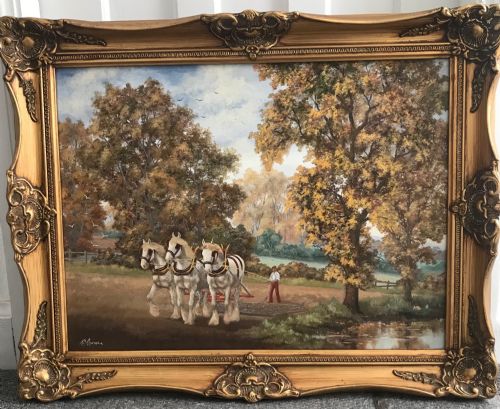
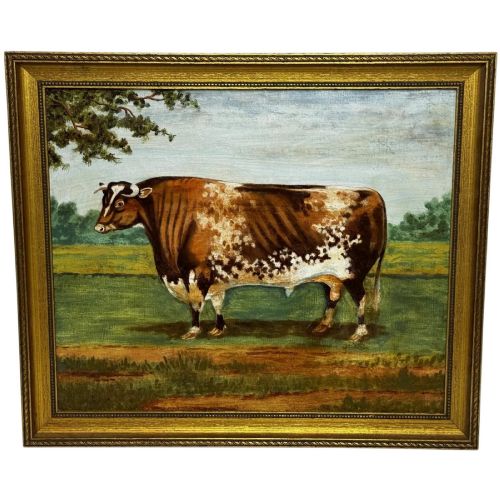
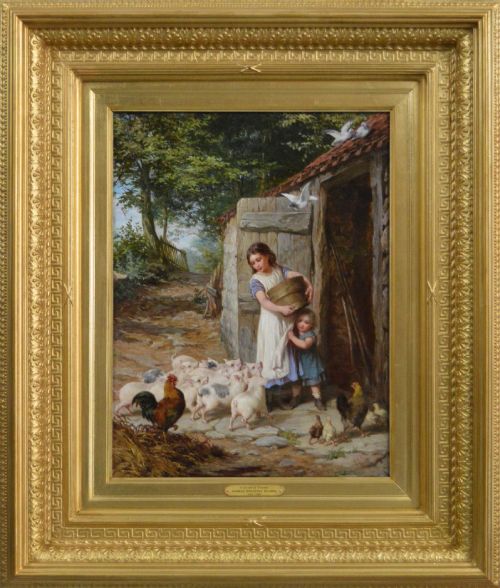
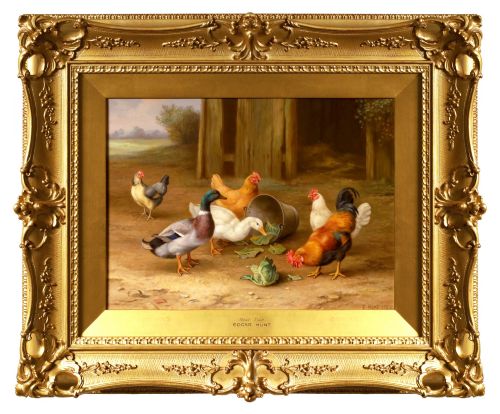
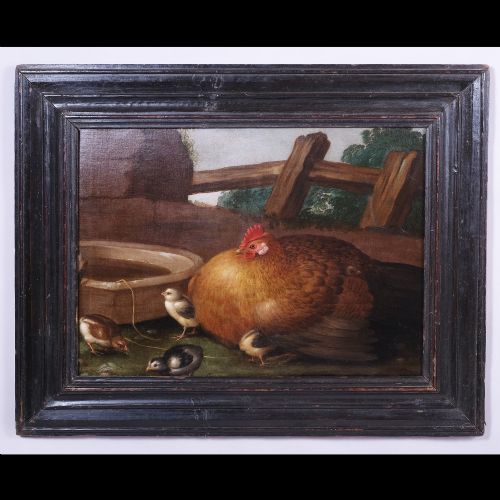
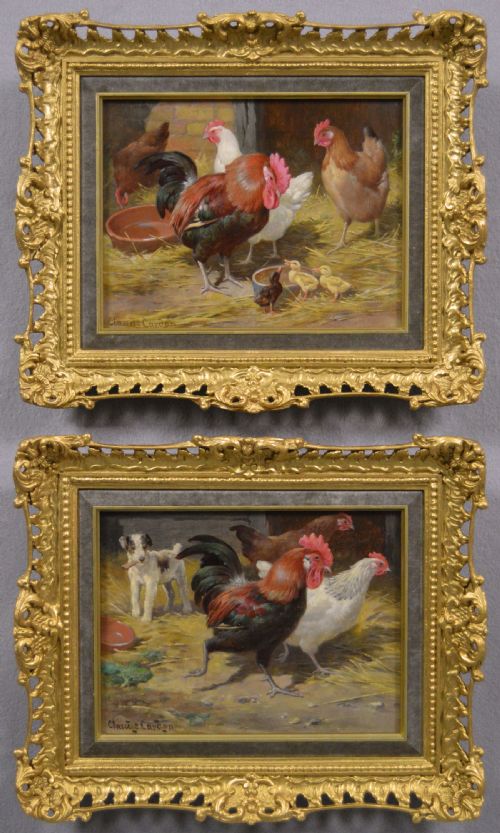
You are most likely to meet nineteenth-century and early twentieth-century oil paintings depicting farmyards, working horses, cattle, and poultry. British and European schools dominate, capturing everything from quiet pastures to bustling stable yards.
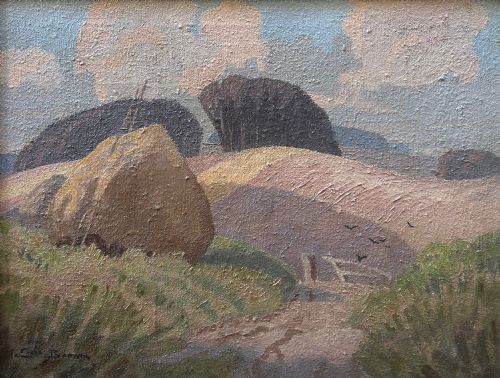
The subjects divide broadly between landscapes with labourers and intimate animal studies focusing on prize livestock, poultry, and cart horses. These works reflect both the romantic ideal of country life and the factual realities of agricultural work.
How they were made
Painters applied oil paint to stretched canvas, wooden panels, or paper boards, often building texture with thick brushstrokes or delicate glazes. Watercolours utilise washes on paper to capture the soft light of rural valleys and farmsteads.
Framing materials reflect the period of creation, with giltwood and gold leaf frames frequently housing the canvas works to enhance their visual depth. Mixed-media and textile works employ embroidery threads and silk alongside traditional pigments to build tactile pastoral scenes.
Listings feature works spanning the eighteenth, nineteenth, and twentieth centuries, executed in oil, watercolour, etching, and textile art.
What varies in quality
The distinction between standard works and exceptional pieces rests upon the artist's command of anatomical proportion and natural light. Master painters render the musculature of working horses and the textures of animal coats with convincing depth, whereas lesser hands produce stiff or formulaic representations.
Compositional balance separates routine topographical sketches from compelling narrative scenes. Stronger works integrate human labourers, livestock, and surrounding architecture into a coherent landscape rather than treating subjects as isolated figures.
George Augustus Holmes·Edgar Hunt·Claude Cardon·Herbert Dicksee·Raimond Louis Lecourt·Herbert Royle·William JB Jenkins·Franz van Severdonck·James William Booth·John Frederick Herring Jnr·Ernest Pile Bucknall·Samuel Joseph Clark·Eugene Verboeckhoven·John Atkinson·Charles Vickers·Frederick W. Jackson·Percival Glenfern·John Herring·John Linnell·J.C. Grey·George Soper·Pierre Emmanuel Dielmans·Florence Hess·Arthur Winter Shaw·Owen Bowen
The Antique Farming Artwork Glossary
- Canvas
- A heavy woven fabric stretched across a wooden frame to serve as a support for oil paintings.
- Giltwood
- Wood carved and treated with a thin layer of gold leaf or metallic powder, commonly used for period frames.
- Etching
- A printmaking method where acid cuts into a metal plate to hold ink for transfer onto paper.
- Pastoral
- A style of art that romanticises rural life, shepherds, and agricultural landscapes.
- Oil on Panel
- A traditional painting method utilising a rigid wooden board rather than flexible fabric as the primary support.
Antique Farming Artwork: Frequently Asked Questions
What subjects appear in farming artwork?
The works depict traditional agricultural scenes including farmyards, cattle by streams, working shire horses, and poultry.
Artists also recorded rural labourers resting under trees, harvest activities, and pastoral landscapes across Britain and Europe.
Which materials were used for these pieces?
Painters primarily utilised oil paint on canvas, wood panels, or paper boards to capture rural subjects.
Other examples include watercolour paintings, original etchings on paper, and early embroidered silk and wool textile pictures.
How do I date a farming painting?
Stylistic clues such as Impressionist brushwork or Victorian realism help narrow the decade of creation.
Framing materials like original giltwood and the recorded lifespan of named artists provide further chronological certainty.
Where were these artworks created?
The pieces originate primarily from British and French art schools and regional painting communities.
Specific rural locations such as Yorkshire valleys, Normandy, and rural landscapes frequently appear in the titles.